Life in Rajshahi moves to the rhythm of the river. For locals and visitors alike, an evening along the Padma river Rajshahi promenade is something you just don't miss[2]. Once the sun begins to drop, the river breeze cuts through the day's heat, opening up a wide horizon that feels worlds away from the packed streets of Dhaka or Chittagong.
You can come down for a quiet morning walk or join hundreds of families out watching the sunset. The riverfront is easy to reach, welcoming, and safe. Here's a practical guide to visiting the embankment, walking through Padma Garden, and seeing the working landscapes this river creates[2].
The Heart of the Waterfront: Padma Garden and Boro Kuthi
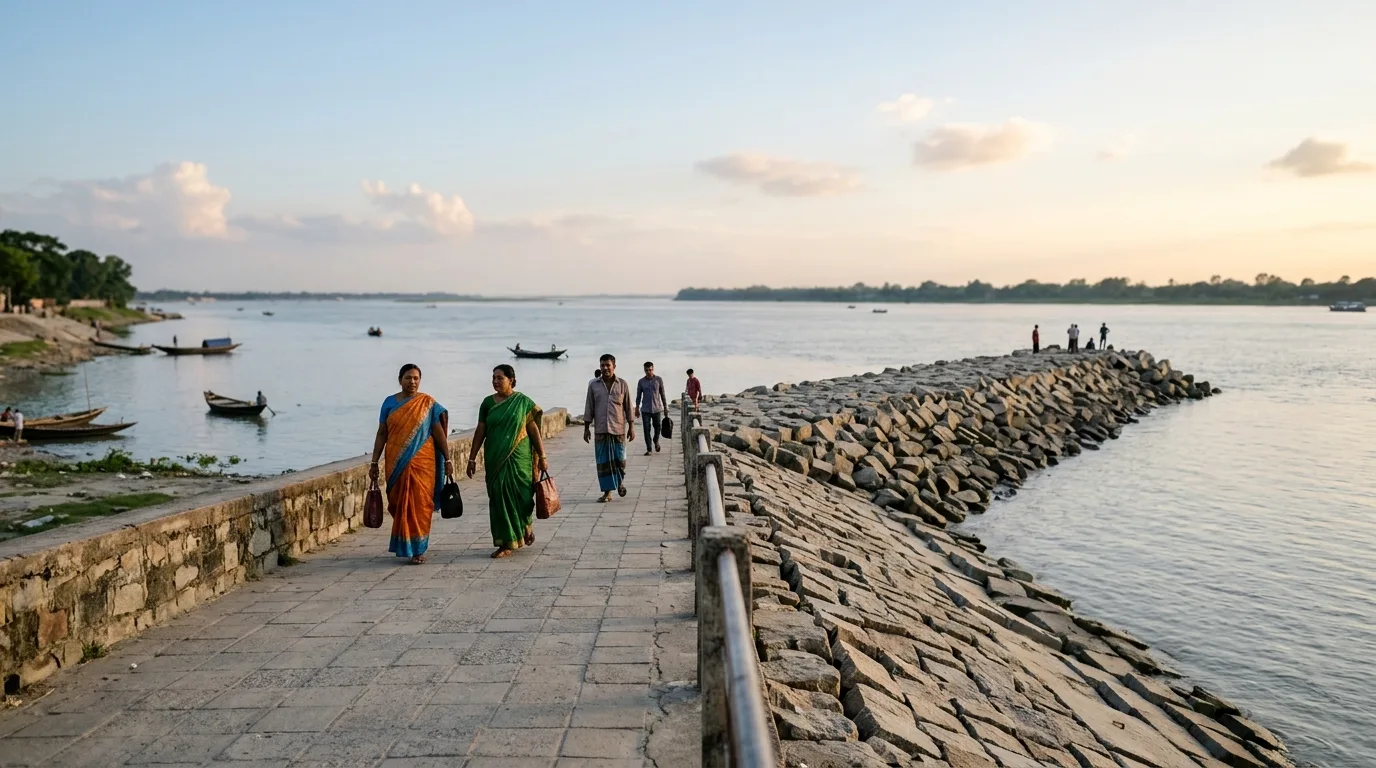
The liveliest stretch of the riverfront sits between Boro Kuthi and Dargapara. Right at the center is Padma Garden, officially named Oddvar Munksgaard Park[2]. Engineers built it directly on top of the city protection embankment, setting up stepped brick seating, shaded brick paths, and clean views across the open water[2].
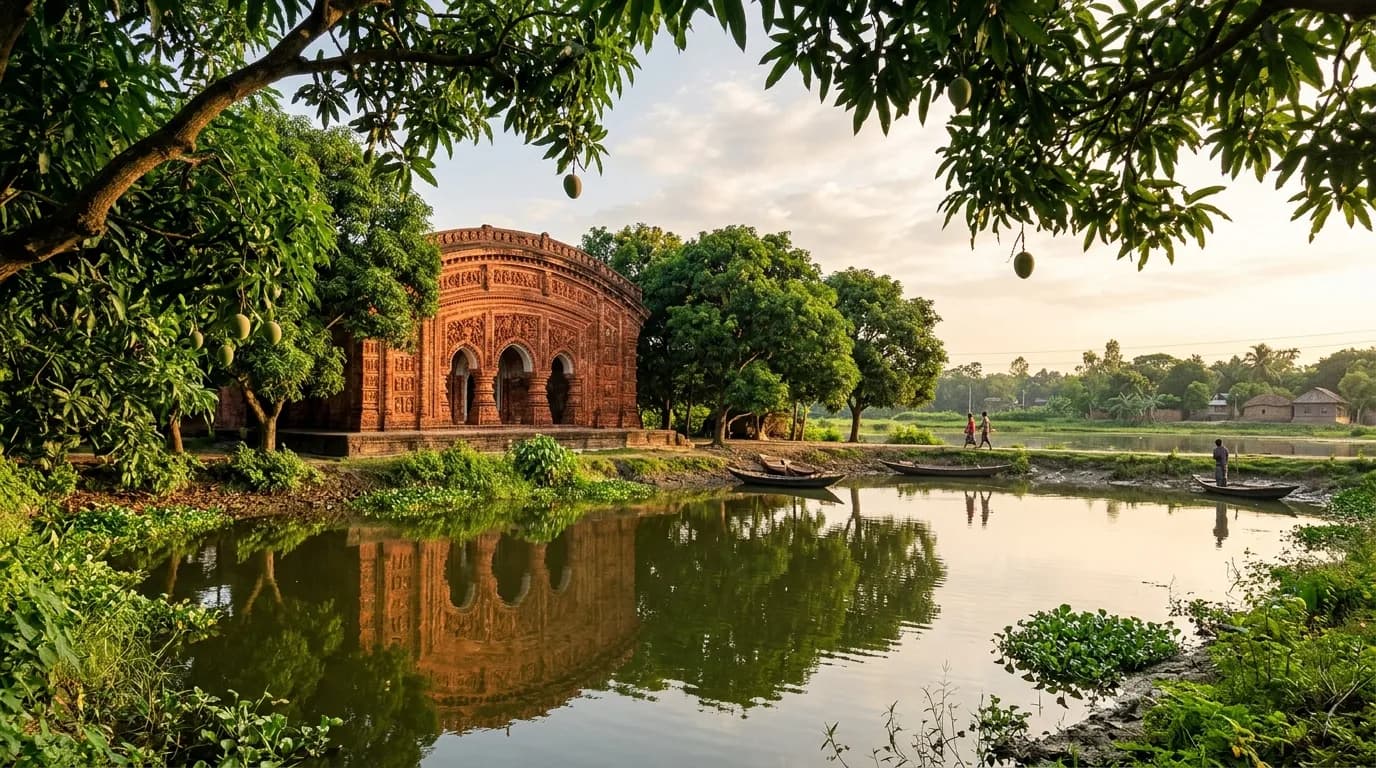
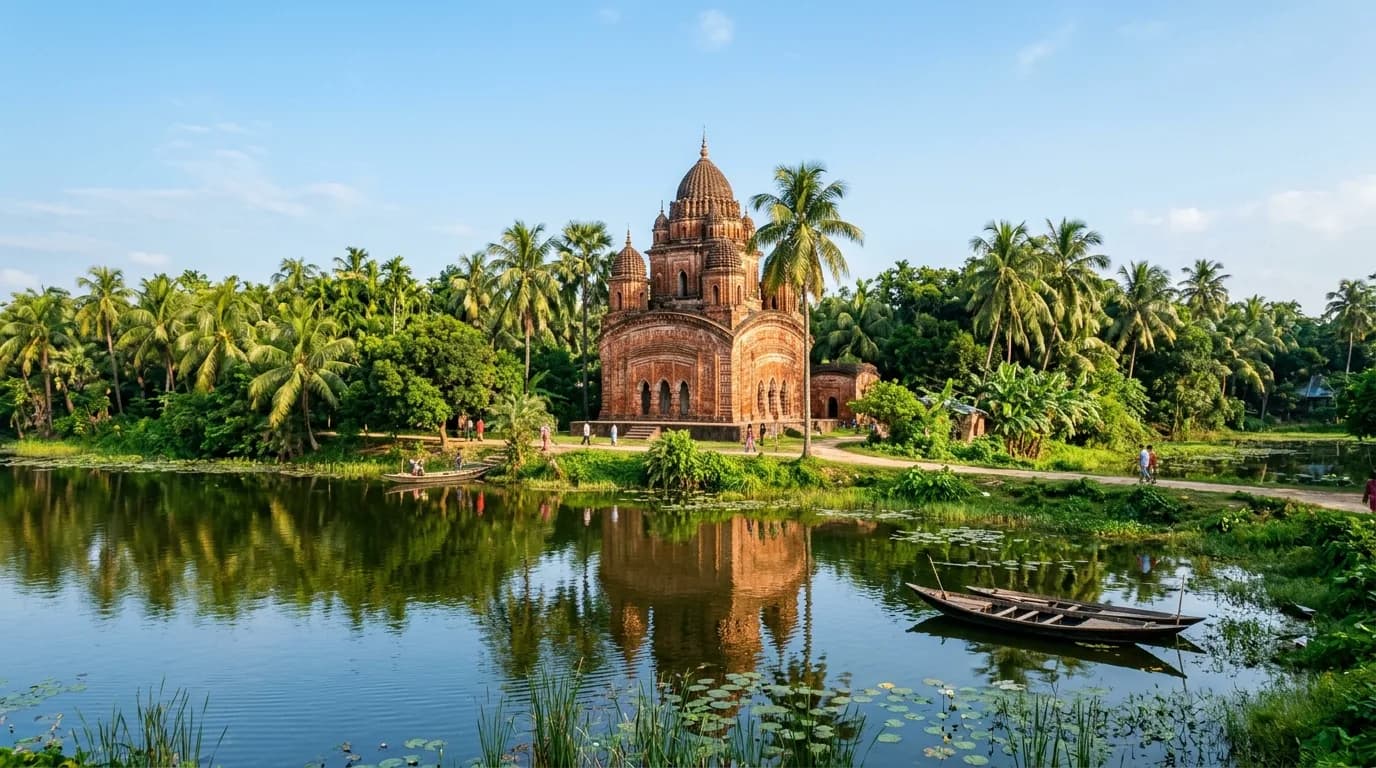
Just next to the park sits Boro Kuthi. Built in the 18th century as a Dutch trading post and silk factory, the brick building stands as a quiet reminder that river trade built this town[2]. Walk this section on any given afternoon and you'll see Rajshahi at its most relaxed. University students sit chatting by the water, vendors roast ears of corn over hot coals, and families take their time walking the paved crest of the flood bank[2].
Sunset at the T-Groin: Where the City Meets the River
Follow the river wall a short distance and you'll reach the T-Groin, known locally as the T-Bandh[2]. Built from heavy stone and concrete, this spur dike was engineered to steer the river's strongest currents away from the bank and stop bank erosion. Over the years, it's also turned into the city's favorite place to watch the sunset[2].
Because the structure pushes straight into the Padma's main channel, you can walk out into the full force of the breeze with water on three sides. When the sky is clear, the sun drops right into the water line, throwing amber and deep rose across the river. A quick word of caution: the concrete blocks can be uneven underfoot, so wear flat shoes and keep an eye on young kids near the open edges[2].
Seasons on the River: Winter Walks vs. Monsoon Currents
The river looks completely different depending on when you visit. Keep the seasons in mind when planning your afternoon[2]:
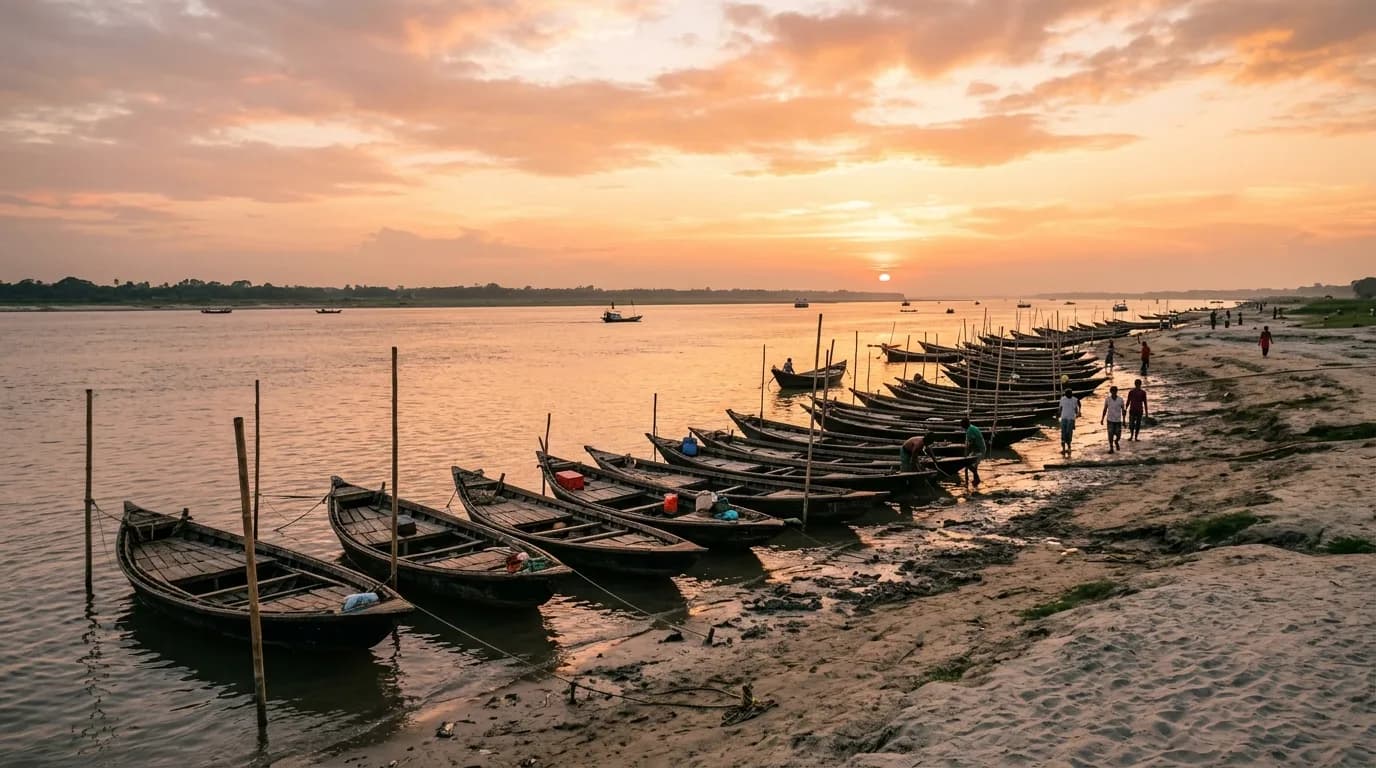
- Winter and Dry Season (October to March): This is the easiest, most comfortable time to walk the embankment[2]. As the water drops, it reveals wide sandbanks known as chars[2]. The air stays mild and dry, making long afternoon walks very pleasant.
- Monsoon Season (June to September): Heavy rains upstream swell the Padma until it fills its entire channel[2]. The seasonal sandbars disappear under feet of swift, brown water, and the river's sheer pull makes crossing dangerous. You won't be able to step onto the chars, but standing up on the high embankment gives you an unforgettable view of the river's raw muscle. If you hire a boat during these months, take real care[2].
Char Lands: The Productive Sandbars of the Padma
As the monsoon floodwaters pull back each autumn, they leave behind vast sandbanks that quickly turn into working farmland. Across Godagari, Paba, Charghat, and Bagha upazilas, farmers cultivate roughly 14,800 hectares of this seasonal char land[3],[4]. The top layer is pure alluvial silt mixed with sandy loam—loose, full of minerals, and ready to take seed[4].
For about eight or nine months, these temporary islands stay bright green with crops before the next flood cycle covers them again[3],[4]. Farmers sow groundnut, wheat, mustard, winter onions, and pointed gourd[3],[6]. But the crop that matters most here is black gram (*mashkalai*), the hardy pulse behind the region's best-known food[3],[4]. Timing is everything: seed sown after mid-December rarely pays off, since early pre-monsoon rises in May can flood the fields before the harvest is in[4].
Culinary Traditions: Kalai Ruti and Padma River Fish
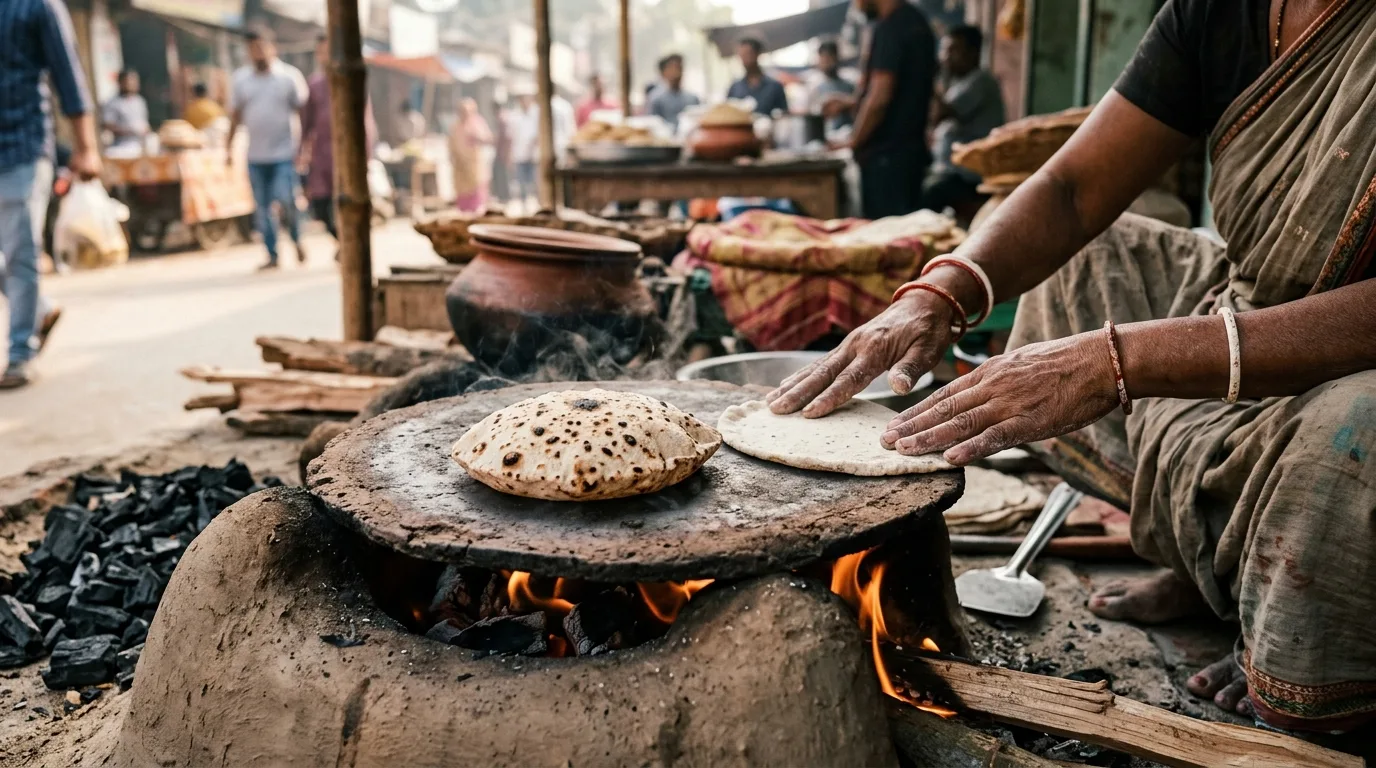
You can't walk the embankment without stopping to eat. Regional food here comes straight from the river's silt and water. Every evening, vendors set out low wooden benches along the paved bank, and soon the smell of woodsmoke and toasted flour fills the air[2].
The Craft of Kalai Ruti
Rajshahi's signature flatbread, kalai ruti, depends entirely on that char-grown black gram (*mashkalai*). The dough blends one part finely ground *mashkalai* flour with one to two parts *atap* (non-parboiled rice) flour, worked together with hot water and salt. You have to keep the flour dry and tightly sealed; let the moisture rise above 12 percent, and the natural oils in the black gram break down, ruining the taste.
You won't see a rolling pin anywhere near a real ruti stall. Rolling presses the dough too hard, drawing out the pulse's sticky starch and leaving the bread rubbery. Instead, the maker shapes each disc by slapping the ball of dough rapidly between wet palms. It goes straight onto a dry, smoking-hot clay skillet (*matir khola*) running hotter than 200 °C. Within seconds, the exterior blisters, the dough puffs, and the inside stays tender.
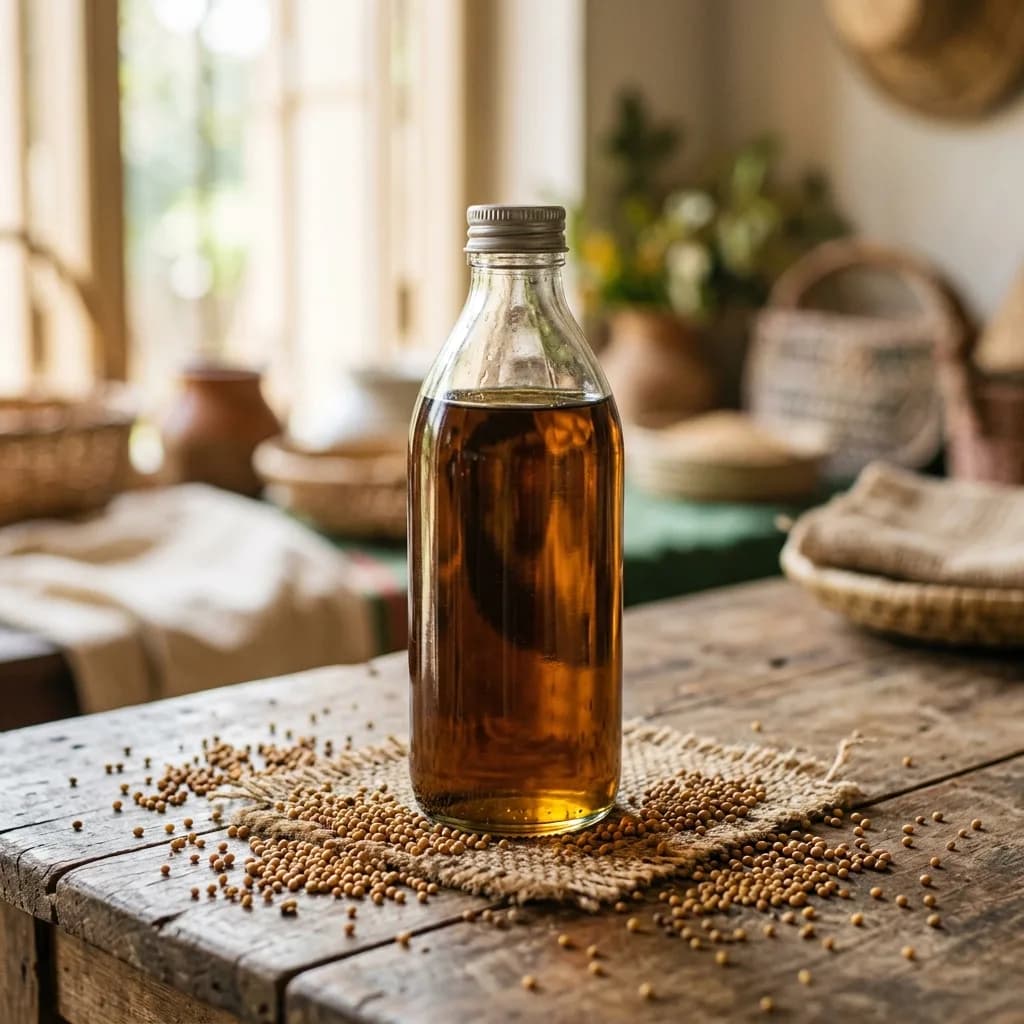
Stall owners serve the bread steaming hot with roasted eggplant *bhorta*, slow-cooked beef or duck, or a fiery *morich bhorta* made of green chilies, raw garlic, and sliced shallots crushed in mustard oil. Because street *bhortas* use unheated, strong mustard oil like our raw Mustard Oil along with fresh onion and garlic, they taste best freshly pounded on the spot rather than left sitting in the evening air.
River Delicacies: Fresh Catch from the Currents
The river feeds the local fish bazaars every morning. You'll find fresh Boal (*Wallago attu*), Air (*Sperata aor*), and above all, the Padma Hilsa (*Tenualosa ilisha*). Hilsa caught in this stretch has an exceptional reputation. Fighting against the strong freshwater current builds up a clean, rich fat in the fish's muscle, which gives the cooked fish its melting texture and unmistakable flavor.
Practical Tips for Riverside Travellers
Here are a few practical details to keep in mind before heading down to the water:
| Travel Detail | Practical Recommendation |
|---|---|
| Best Sunset Spot | T-Groin (T-Bandh) spur dike near Dargapara[2]. |
| Best Walk Timing | 4:30 PM to 6:30 PM for mild weather and sunset colors[2]. |
| Char Eco-Walks | Dry season only (November–March). Take local country boats from safe, registered ghats[2]. |
| Food Timing | Order street *kalai ruti* and *bhorta* during peak evening hours when preparation is fresh. |
| Local Transport | Battery-powered auto-rickshaws (easibikes) reach the embankment from anywhere in the city[2]. |
Boat hire rates shift depending on fuel prices and the season, so settle on a fare with the boatman at the ghat before pushing off[2].
Taste Rajshahi from Home
Standing on the bank of the Padma as the evening light fades across the water is something you remember long after you return home. That same sun, alluvial soil, and seasonal rhythm don't just feed the river chars—they make Rajshahi the fruit capital of the country.
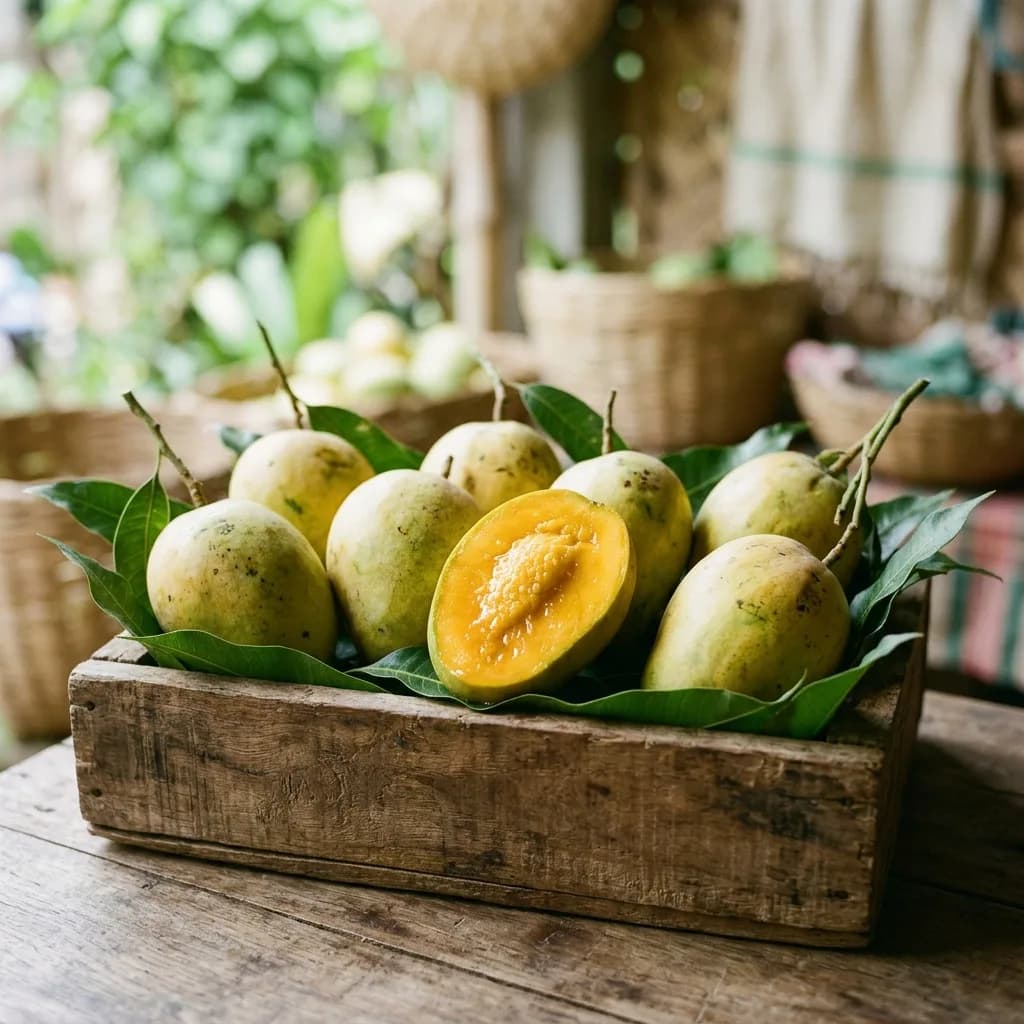
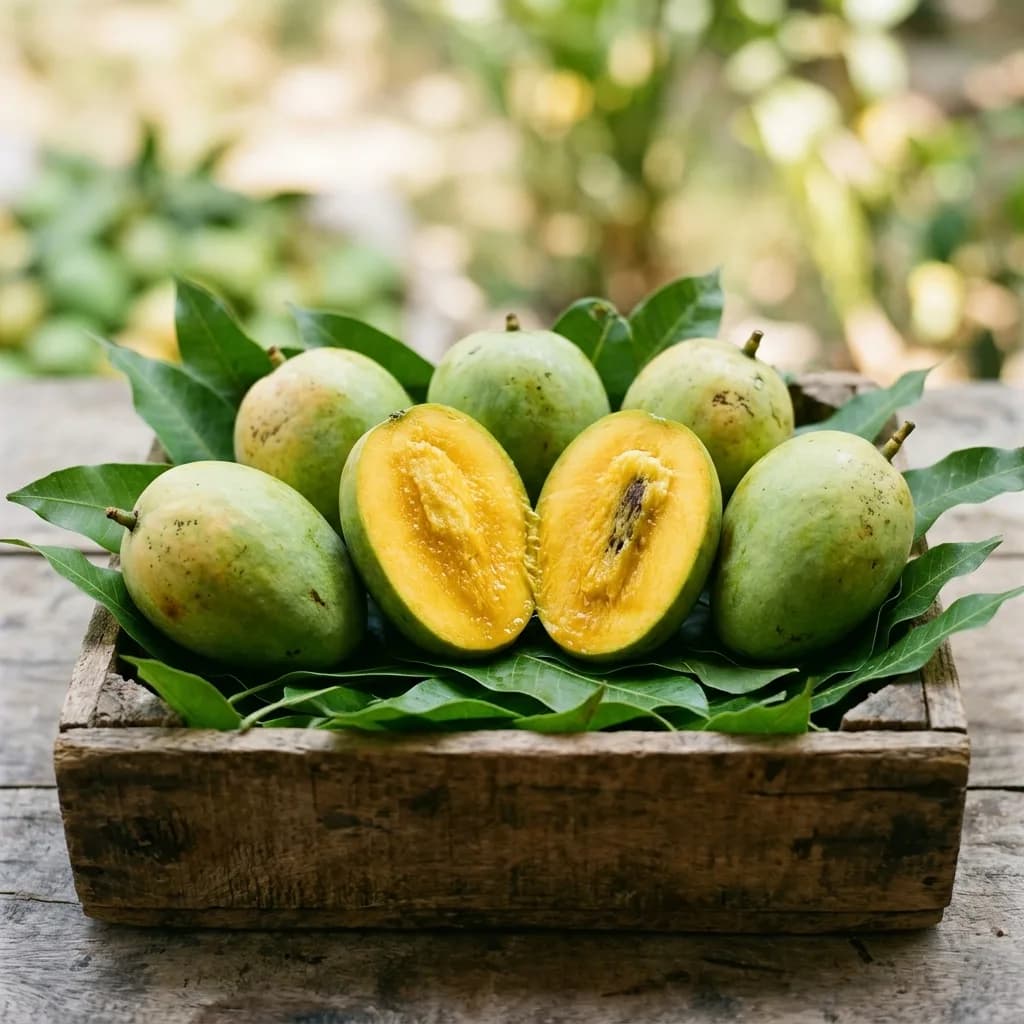
We have tended our own orchards here in Rajshahi since 2013. As the winter chill along the river turns to summer heat, our trees produce clean, sweet, tree-ripened mangoes free from formalin. Starting in May and running through August, we pick regional favorites including Langra Mango and Himsagar Mango. We pack the fruit carefully into sturdy 12 kg and 24 kg crates and deliver across Bangladesh, with payment by cash on delivery, bKash, Nagad, or bank card. Check out the latest picking dates on our mango collection page and bring a taste of Rajshahi to your family's table.