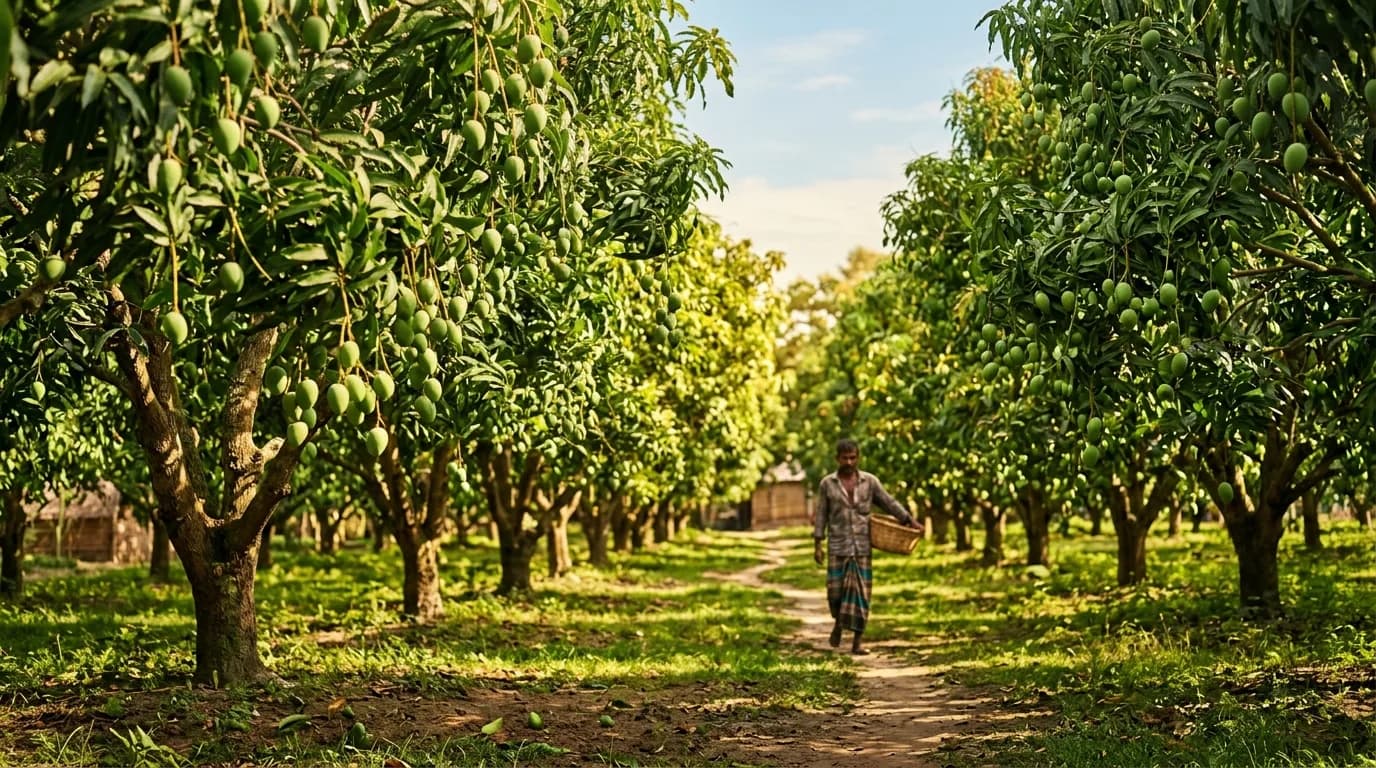
Anyone mapping out a trip through northern Bangladesh usually starts by looking for the best places to visit in Rajshahi. Resting along the wide curves of the Padma River, our home division pairs centuries-old brick architecture with an orchard culture known across South Asia. Life here moves at an easy pace. The river air stays clean, and the city streets are notably calmer than the country's main commercial hubs.
Famous for its clean, leafy avenues and long silk-weaving history, Rajshahi gives travelers a straightforward route into Bengal's medieval past. In a single day, you can study 16th-century terracotta carvings, walk along the riverfront, and shop through packed rural markets. Here is an honest guide to the area's key stops, its local food traditions, and the practical details you need to get around.
Top Historical Places to Visit in Rajshahi
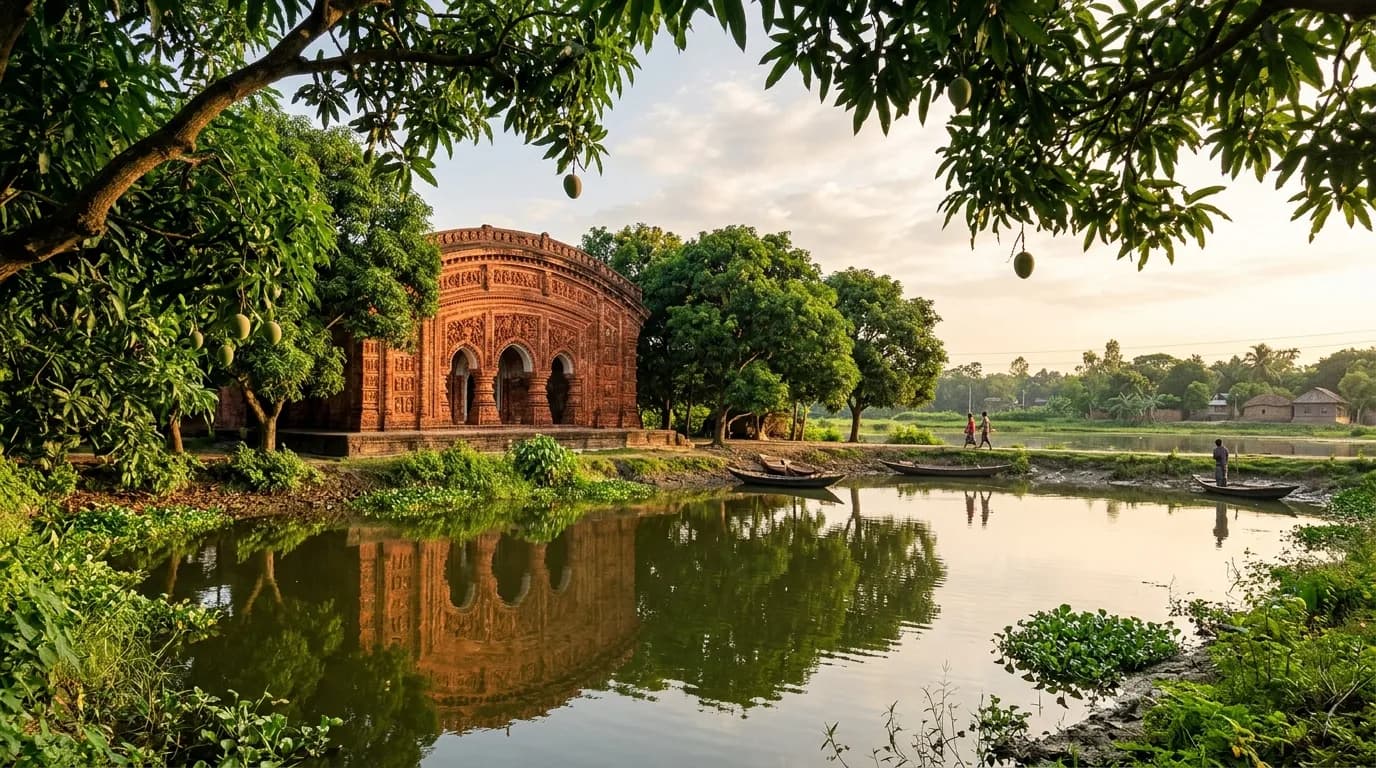
Heritage travel in Rajshahi revolves around two distinct sites: the Puthia Temple Complex and Bagha Mosque. Both show off the intricate burnt-clay brickwork that local craftsmen mastered centuries ago.
Puthia Temple Complex
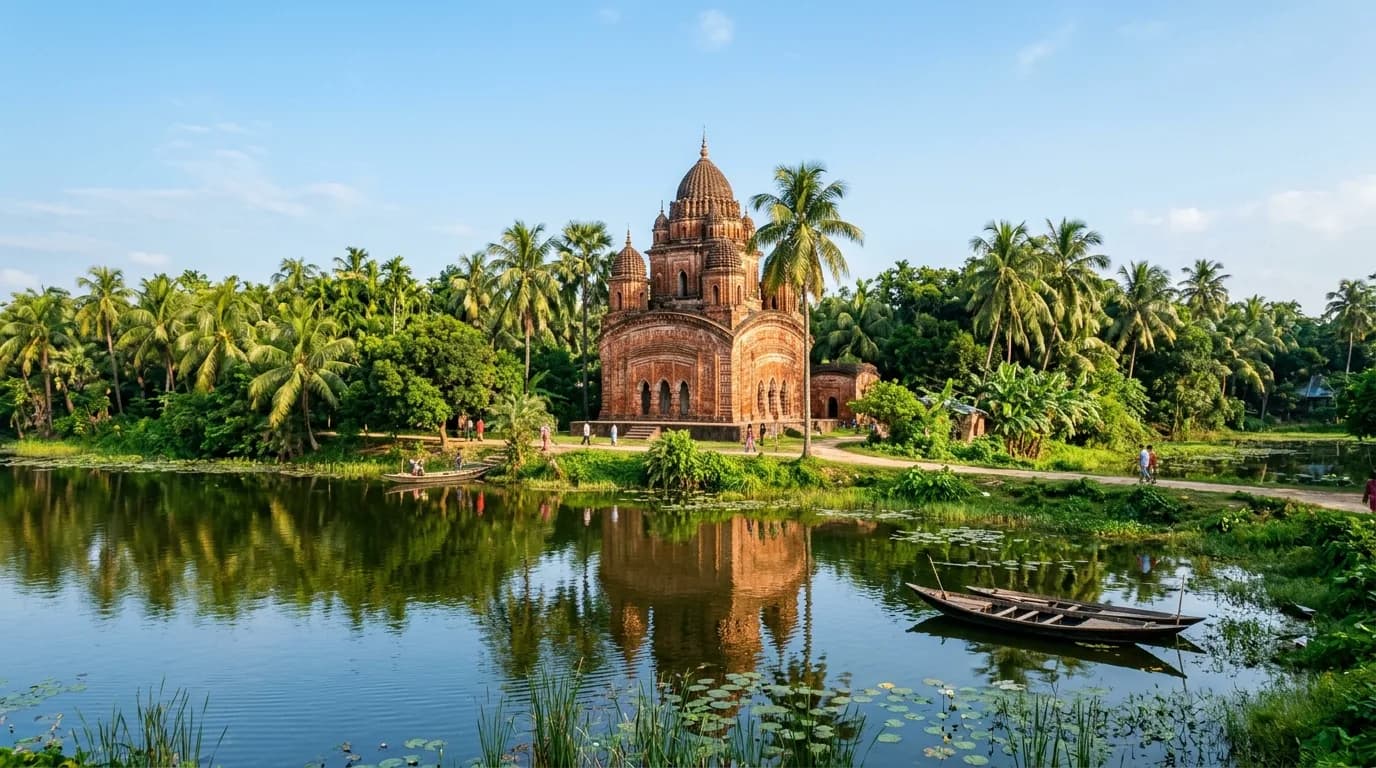
Puthia sits about thirty kilometers east of Rajshahi city and holds the highest concentration of historic Hindu temples anywhere in Bangladesh. The buildings sit around large water reservoirs, known locally as dighis. The tall Shiva Temple is a fine specimen of five-spire (pancharatna) architecture. Down by the water, the Govinda Temple features terracotta panels carved with scenes from village life, native plants, and traditional folklore.
Entry routines and opening hours can shift without much notice, so ask around locally before hiring a car or CNG from the city center. Walking around the quiet dighis makes for an easy break from highway noise.
Bagha Mosque and Terracotta Art
Bagha Mosque lies further southeast in Bagha Upazila. Built in the early 16th century during the Sultanate era, this ten-domed brick monument is celebrated for its relief work. Muslim artisans across Bengal carved floral patterns and geometric stars, but at Bagha they also carved what grew in their own backyards: native mango leaves, twigs, and small fruiting clusters worked right into the clay panels.
Right beside the prayer hall is a huge historic dighi built to supply water to early travelers. The open banks stay cool throughout the afternoon, making it a peaceful stop for photographers and history buffs.
Padma Riverfront, T-Dike, and the Culture of Kalai Ruti
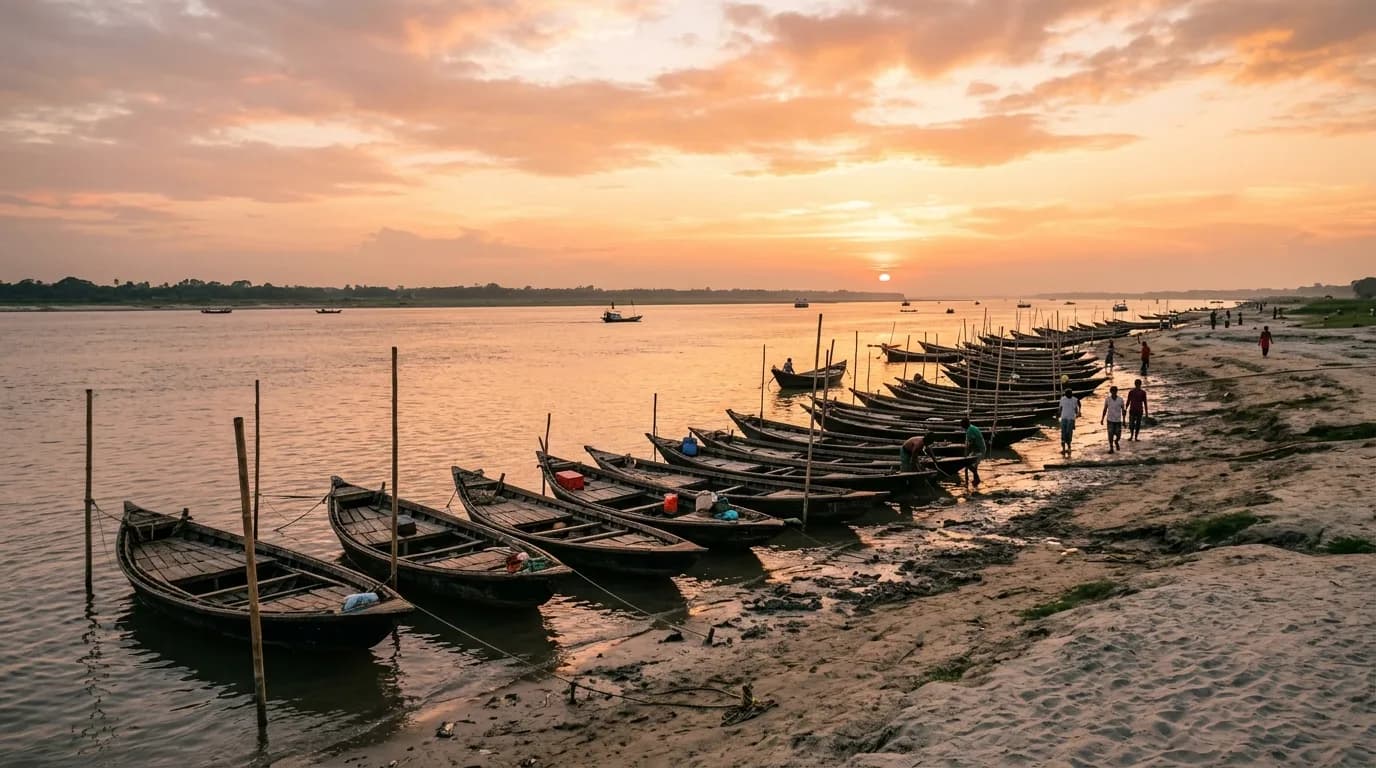
You cannot really say you know Rajshahi without spending an evening down by the Padma. The river embankment, especially around the T-Dike, is where the whole town meets once the sun starts sinking.
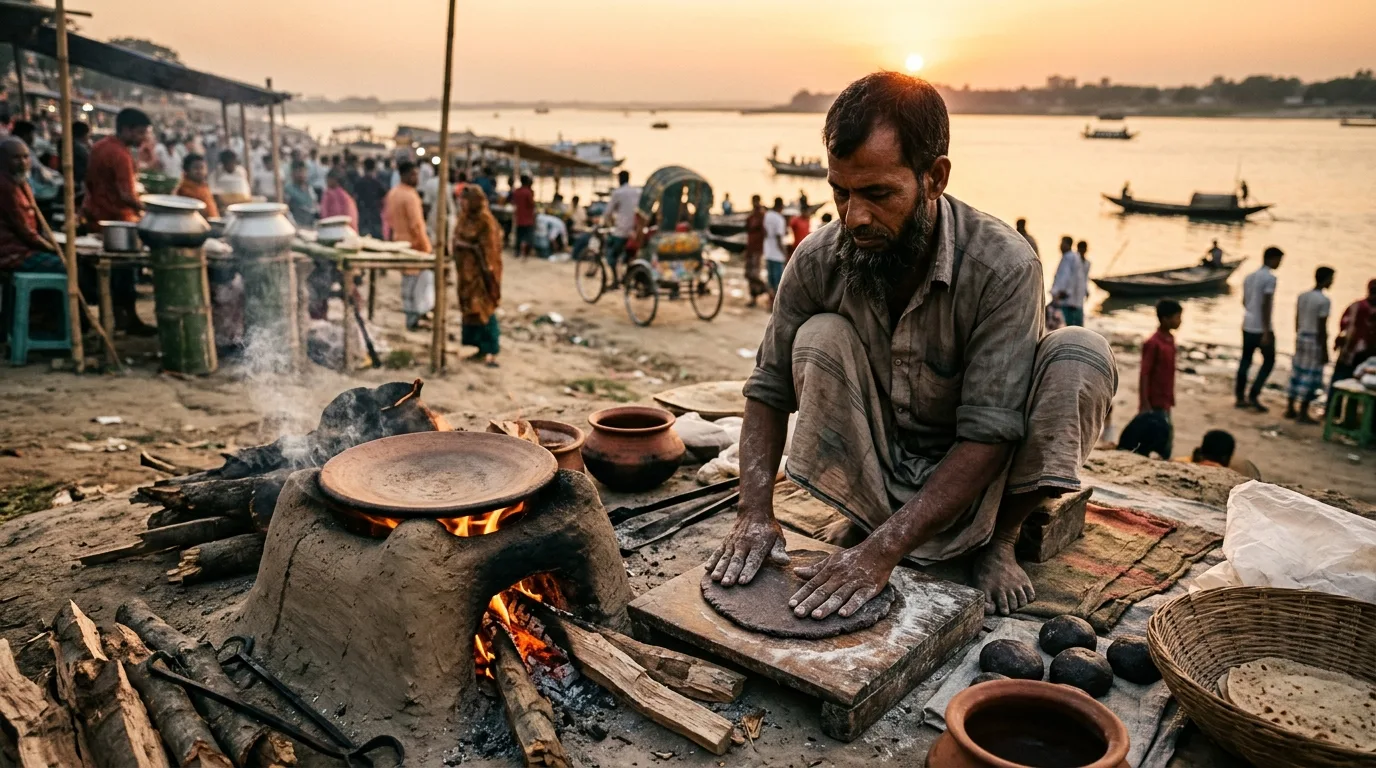
Heavy stone boulders protect the riverbank against seasonal currents, creating long walkways with open water views. As dusk rolls in, street vendors fire up small clay stoves, and the smell of toasted black gram drifts over the breeze.
The Craft of Authentic Kalai Ruti
The culinary pride of Rajshahi and neighboring Chapai Nawabganj is Kalai Ruti, a hearty flatbread made with genuine skill[3]. The base combines fine black gram flour (Vigna mungo, or Mashkalai) with non-glutinous atap rice flour, usually mixed in a 1:1 or 2:1 ratio[3].
Cooks pour boiling water into the flour and knead it hard by hand until it turns smooth and stretchy[4]. There are no rolling pins here. The cook works the dough purely between two palms, slapping and rotating it into a round disc before dropping it onto an unglazed clay skillet (matir tawa) over wood coals[4].
The bread comes off the fire blistering hot. Locals eat it with morich bata—a sharp paste of fresh green chilies and raw garlic mashed with cold-pressed mustard oil[3]. Charred eggplant bhorta and slow-cooked duck or beef curry are common sides too. Tearing into a fresh ruti while boats glide down the Padma is about as local as it gets.
Agri-Tourism: Bustling Mango Markets and Research Hubs
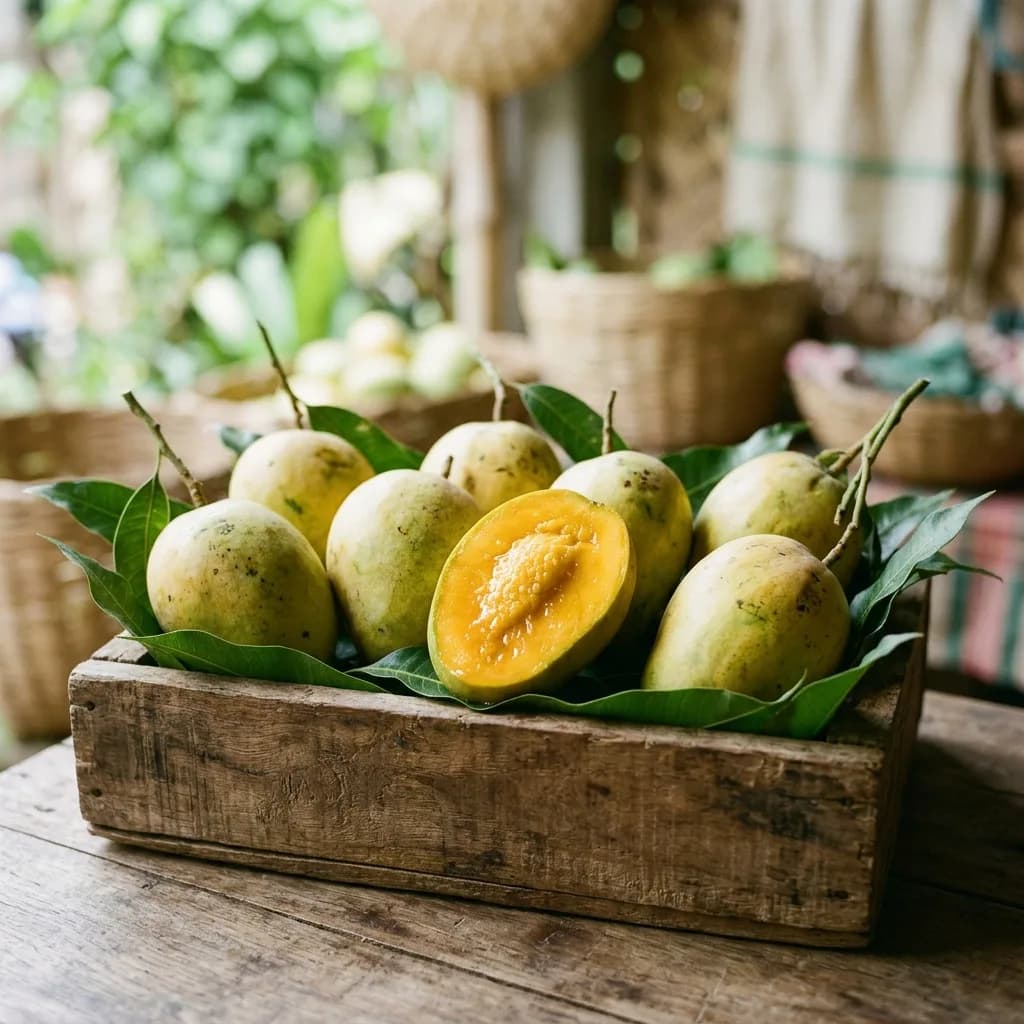
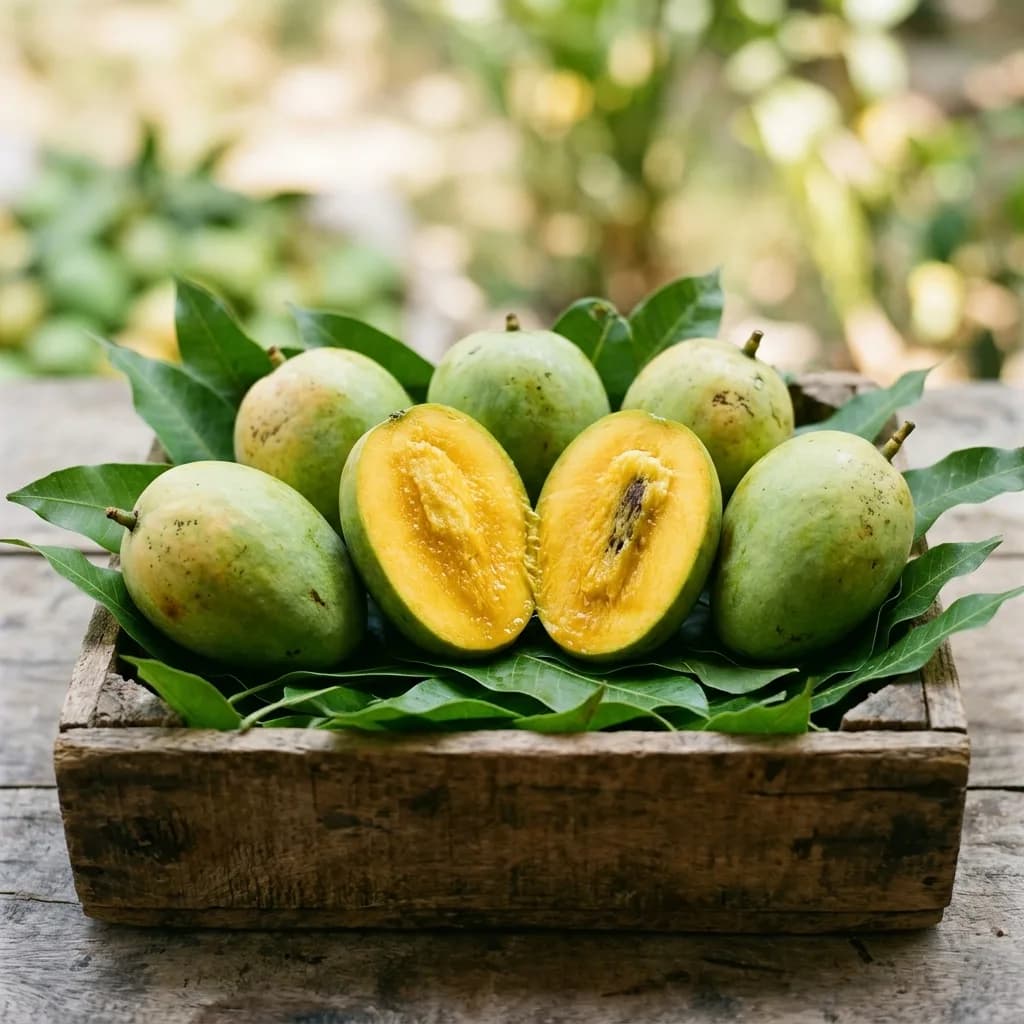
Between late May and mid-July, farming becomes the main draw. Rajshahi's dry heat and alluvial soil produce fruit known for depth of flavor, turning wholesale yards and orchards into genuine destinations.
Baneswar Mango Market
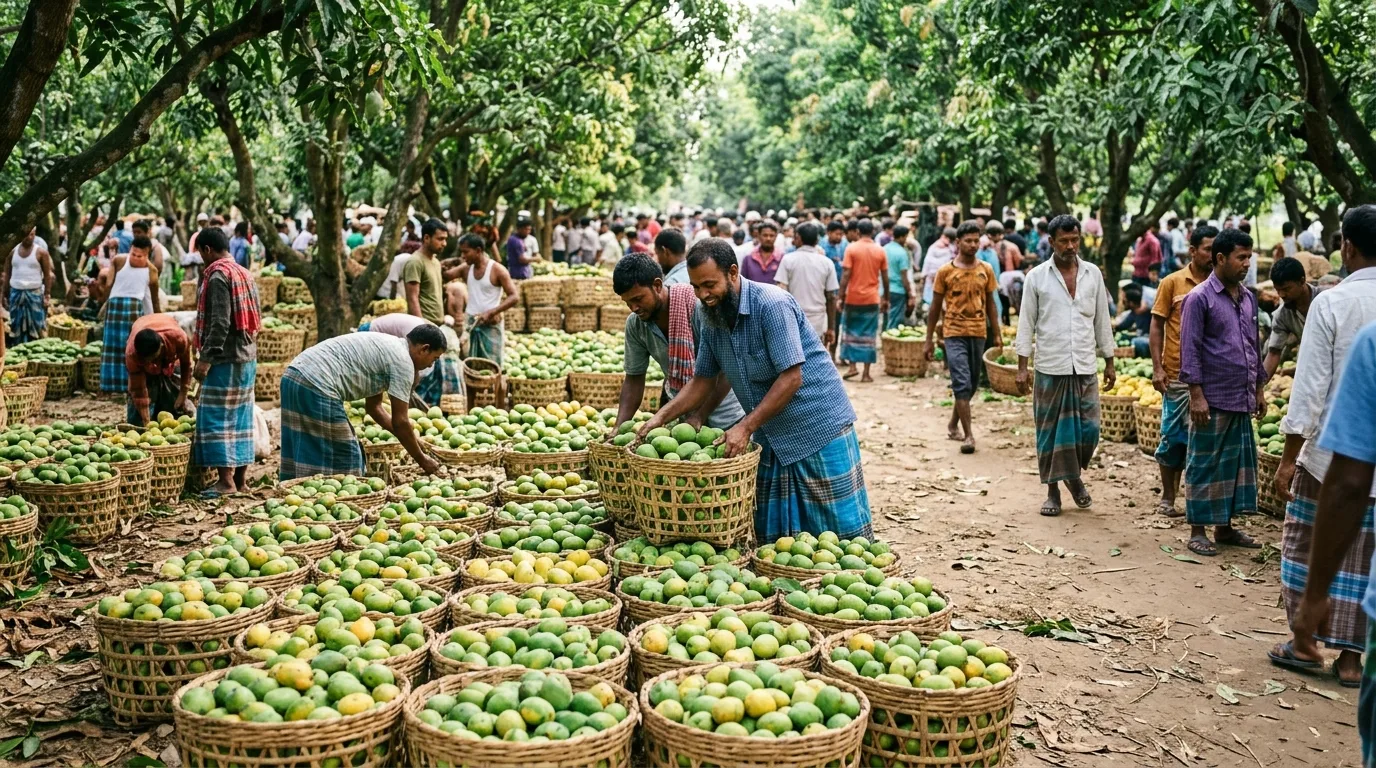
Located in Puthia right along the regional highway, Baneswar is one of Bangladesh's largest open-air wholesale mango hubs[1]. During the height of the summer harvest, hundreds of growers pull in at daybreak on paddle-vans, buffalo carts, and flatbed pickups loaded with fresh crates. Thousands of metric tons change hands beneath the banyan trees every morning[1]. Spending an hour at Baneswar shows you the real engine behind the district's rural economy.
BARI Regional Fruit Research Station
Over in Binodpur, this research center under the Bangladesh Agricultural Research Institute (BARI) keeps regional tree genetics safe. Scientists here work with hundreds of traditional and modern mango varieties, including releases like BARI Aam-4 and the off-season BARI Aam-11. If you care about orchard management, it is a great place to see tidy planting grids and modern handling methods.
One key technique practiced here is Hot Water Treatment (HWT). Dipping mature green fruit into water heated between 53°C and 55°C for five minutes kills off anthracnose spores and fruit fly eggs without damaging taste or shelf life[2].
Timing Your Trip: The Official Rajshahi Mango Calendar
To keep growers from picking early or using ripening agents, the district administration sets clear picking dates each season[5]. If you want to taste specific varieties right off the branch, plan your travel around these harvest milestones.
| Variety Name | Official Picking Date | Key Fruit Characteristics |
|---|---|---|
| Guti (Local Seedlings) | May 15 onward[5] | Smaller fruit size, mixed sweet-tangy profiles, higher fiber content. |
| Gopalbhog | May 22 onward | Thin yellow peel, fiberless pulp, average weight between 200 and 250 grams. |
| Khirsapat (Himsagar) | May 30 onward | Oblong shape, bright golden flesh, creamy fiberless texture, exceptionally sweet. |
| Langra | June 10 onward | Rounded-oval shape, stays greenish when fully ripe, distinct aromatic flesh. |
| Fazli | June 15 onward | Substantial size (400–800 g), kidney-shaped fruit, mild sub-acid sweetness. |
| Ashwina & Gourmati | July 10–15 onward | Late-season harvest extending fruit availability into late monsoon. |
Once picked, keep mature fruit at normal room temperature (25°C to 32°C). They will ripen on their own in three to five days. Never store unripe fruit below 10°C; cold halts natural ethylene production, causing surface pitting and rubbery, flavorless flesh.
Practical Travel Tips for Visitors
You can reach Rajshahi from Dhaka by intercity train or direct domestic flight. Daily trains arrive at Rajshahi Railway Station right in town, while flights touch down at Shah Makhdum Airport just north of the city. For getting around within town limits, battery-powered auto-rickshaws are cheap, quiet, and easy to flag down anywhere.
If you head out to Baneswar's morning market or the older mosques in Bagha, hire a car or an auto-rickshaw for the half-day. Double-check railway timetables and highway bus schedules ahead of time, especially during monsoon rains or regional holiday rushes.
Can't visit during the summer harvest? You can still get authentic regional harvests sent straight to your kitchen. We have managed our own family orchards here in Rajshahi since 2013, packing naturally ripened, chemical-free fruit in sturdy 12 kg and 24 kg crates for direct delivery across Bangladesh from May through August. Whether you want to order fresh Himsagar mangoes in season or browse our winter date-palm jaggery collection, our shop brings the genuine taste of Rajshahi right to your home.