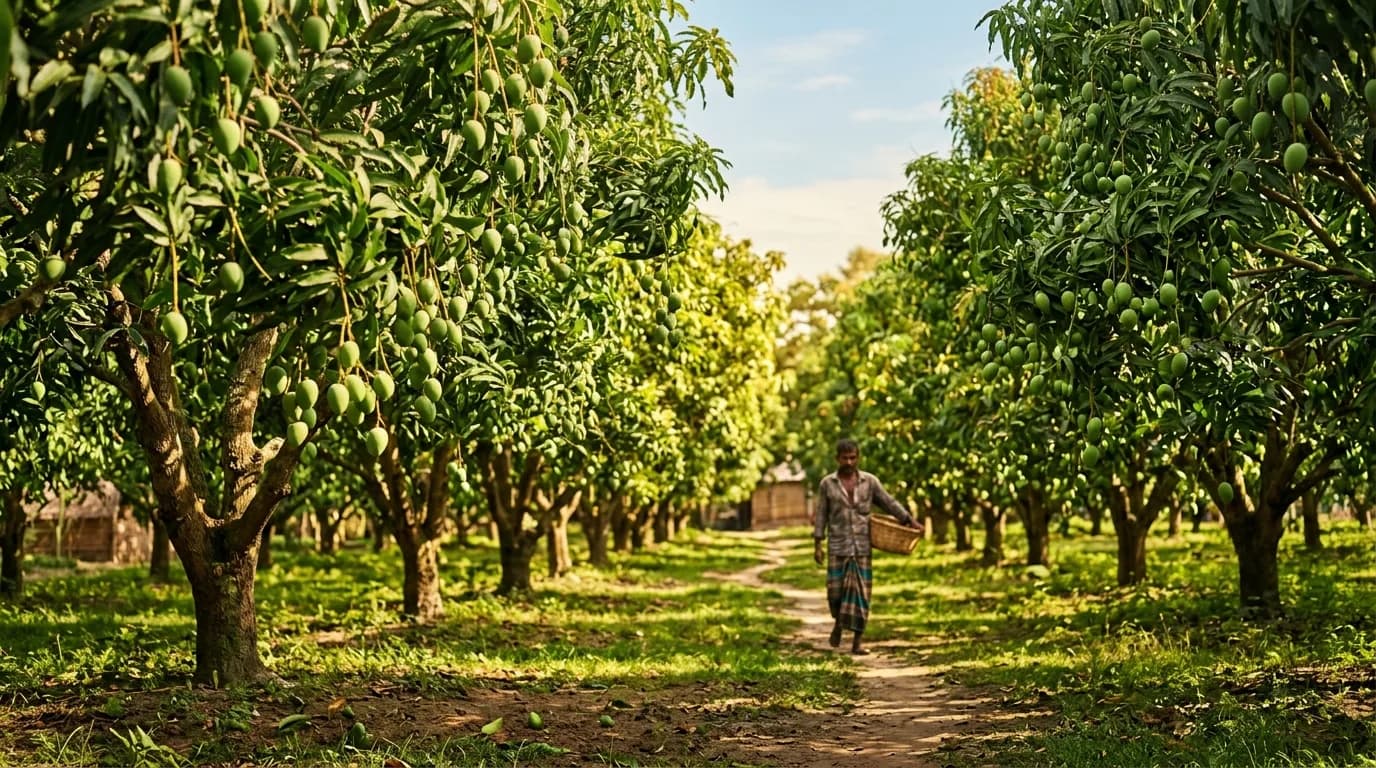
Settled along the bends of the Padma River, Rajshahi feels like two completely different towns depending on when you show up. Picking the best time to visit Rajshahi comes down to what you're after: walking through fruit-heavy orchards in the dry summer heat, or sipping tea by the river on a crisp winter morning.
Each season brings its own weather, field work, and local dishes. Here is how the year unfolds across the district so you can time your trip right.
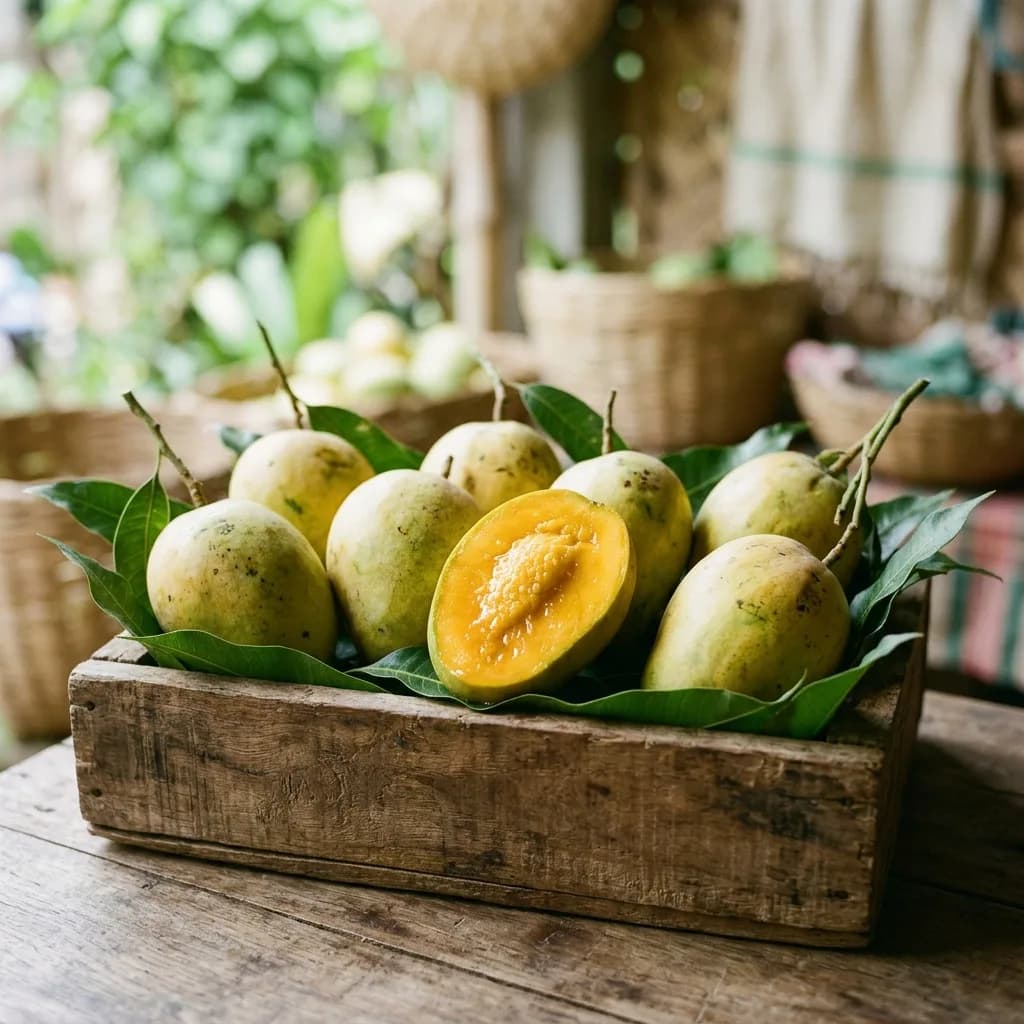
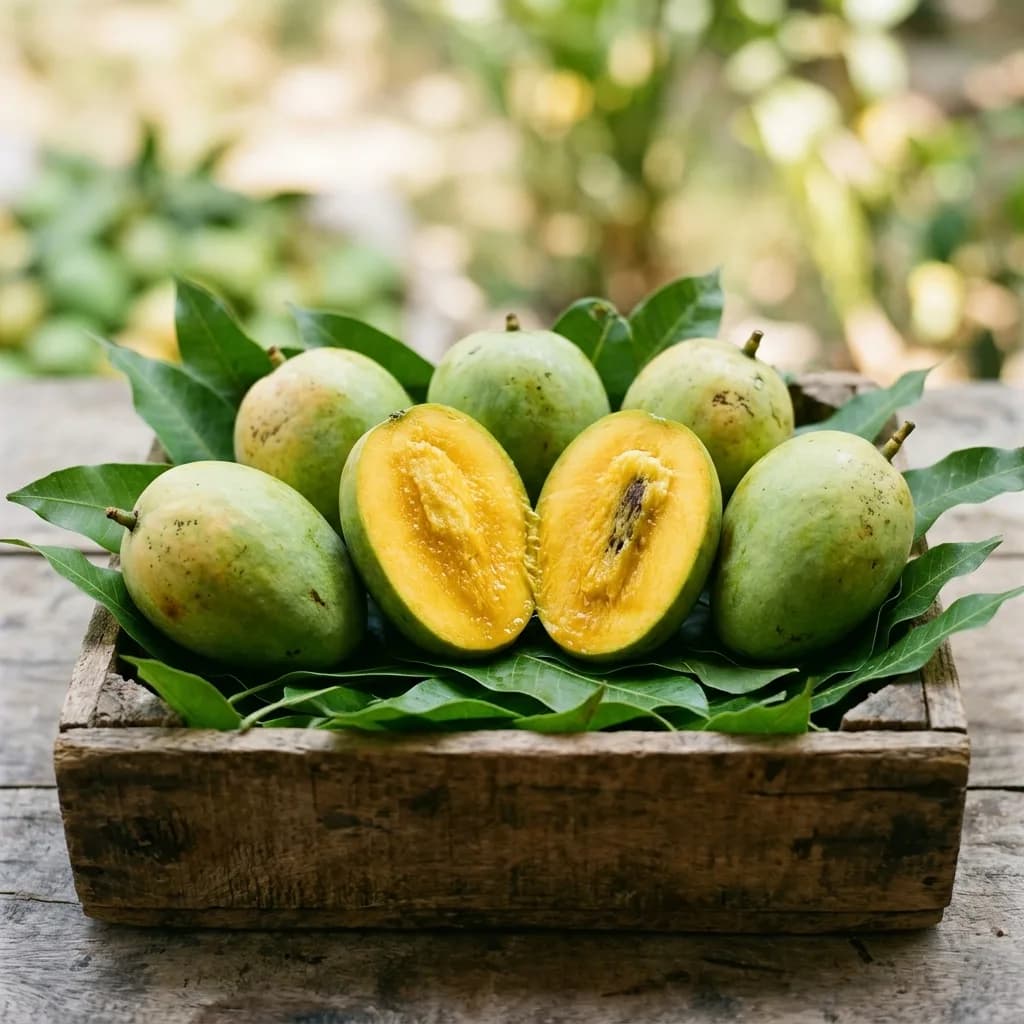
Best Time to Visit Rajshahi for Mango Lovers: May to July
If you're coming for fruit, late spring into mid-summer is the liveliest stretch of the year. From mid-May through July, farming belts across Rajshahi Sadar, Charghat, and Bagha turn into bustling harvest yards[1].
Summer in north-western Bangladesh doesn't hold back. Daytime temperatures often hit 38°C to 42°C, backed by dry, hot afternoon winds. If you want to walk the orchards or explore wholesale trading points like Baneswar, get out early in the morning or wait until late afternoon when the sun eases off.
The Official Mango Calendar
To stop growers from picking unripe fruit and keep toxic ripening chemicals out of the supply chain, the Rajshahi district administration enforces a phased harvest timetable every year [1, 4]. Sourcing fruit before these dates usually means sour, immature mangoes treated with banned industrial agents like calcium carbide [1, 2].
Following this schedule ensures you taste fruit harvested at physiological maturity:
| Variety | Official Earliest Harvest Date | Flavor Profile & Best Characteristics |
|---|---|---|
| Guti (Indigenous seedlings) | May 15 | Tart to mildly sweet; the first local variety to hit town stalls [1, 4]. |
| Gopalbhog | May 20–22 | Fragrant, fibreless, and deeply sweet; the true herald of premium summer fruit [3, 4]. |
| Ranipasand & Lakshmanbhog | May 25 | Vibrant golden skin, firm pulp, and balanced sweetness [3, 4]. |
| Khirsapat / Himsagar | May 30 | Rich, creamy, and non-fibrous; widely regarded as the orchard standard [1, 4]. |
| Langra & Banana Mango | June 10 | Distinct aromatic tang, soft melting texture, and thin stone [3, 4]. |
| Amrapali & Fazli | June 15 | Intense sweetness with deep orange pulp, followed by massive, fleshy slices [1, 3]. |
| BARI Aam-4 | July 5 | Firm late-season table variety with a long post-harvest shelf life[3]. |
| Ashwina & Gourmati | July 10–15 | The final sweet varieties of the calendar year, carrying harvest into late monsoon [3, 4]. |
Alongside mangoes, late May and early June bring a brief harvest of regional litchis, including cultivars like Madraji, Bombay, and China-3. If you're visiting specifically for fruit, early June is the sweet spot. That's when litchis overlap with prized mangoes like Himsagar mango and Langra.
Winter in Rajshahi: Jaggery Culture and Mild Weather (November to February)
If you prefer easy sightseeing without punishing heat, winter is widely considered the best time to visit Rajshahi. Temperatures average between 10°C and 25°C, bringing clear blue skies, dry roads, and crisp morning breezes along the riverbanks.
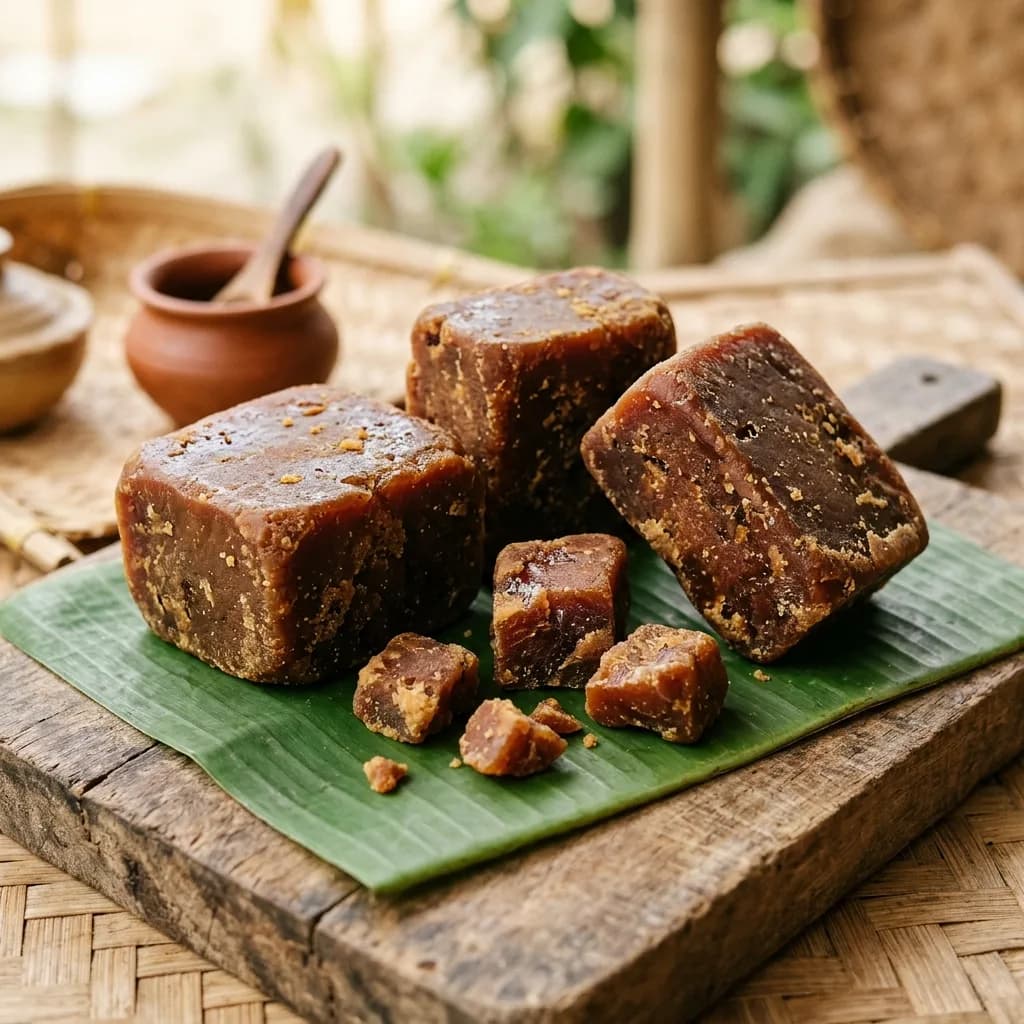
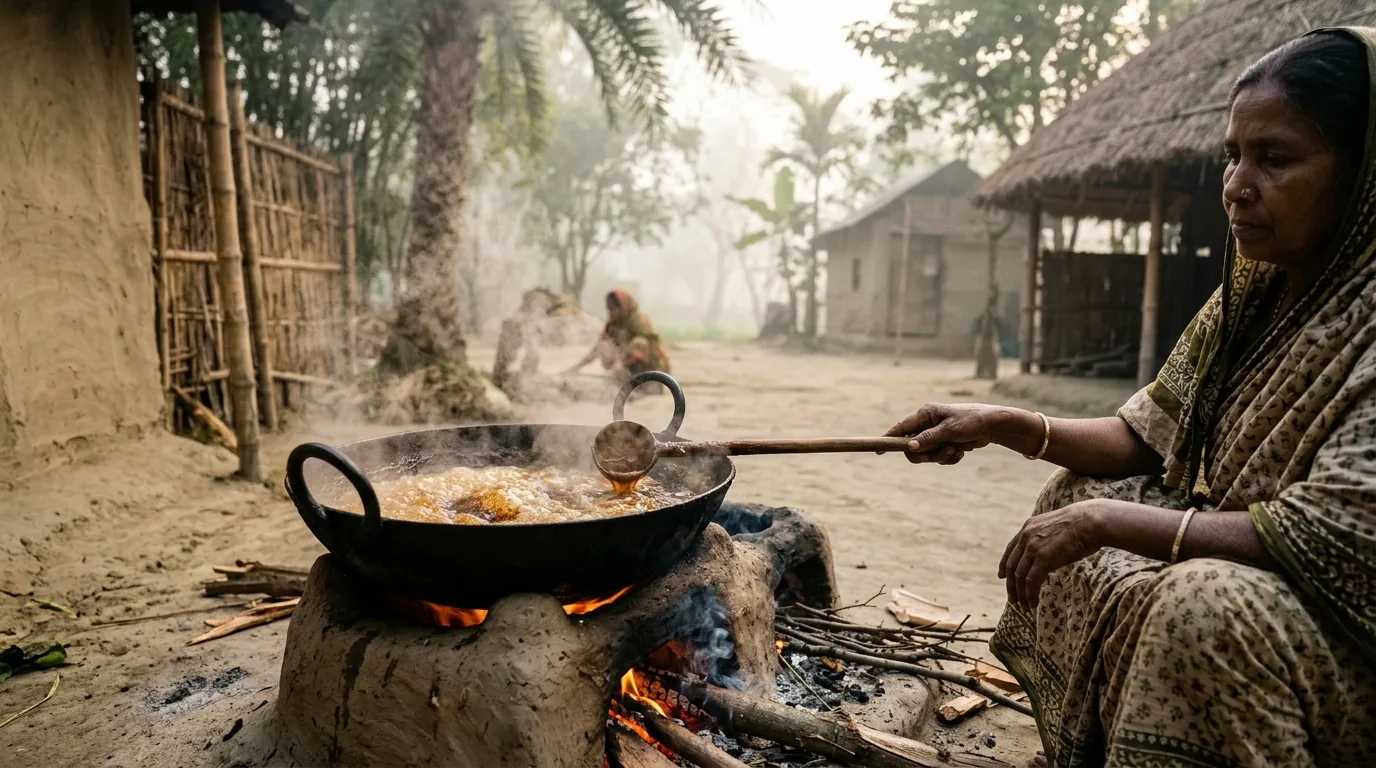
Winter is also when genuine date-palm jaggery (khejur gur) is made. Across rural sub-districts, traditional sap collectors (gachis) tap date-palm trees (Phoenix sylvestris) at dusk and gather the clear sap at dawn.
Culinary Traditions and Food Safety
Winter mornings in Rajshahi are tied to kalai ruti, a traditional unleavened flatbread. Made by blending black gram (Vigna mungo) flour with rice flour in a 1:1 or 2:1 ratio, the dough is hand-flattened and dry-toasted on clay skillets over open wood fires. It is served steaming hot alongside roasted eggplant (begun) mash and a pungent raw chili-and-coriander paste.
However, visitors must observe an essential safety rule: never drink raw date-palm sap (khejur rosh) directly from the tree or street vendors. Raw sap carries a severe risk of Nipah virus contamination from the saliva and secretions of the native fruit bat (Pteropus giganteus) [5, 6]. Nipah virus infection has a reported fatality rate of 40% to 75% in Bangladesh[6].
Merely filtering raw sap through cheesecloth does not remove viral or microbial contamination. Date palm sap is completely safe to enjoy only after it has been cooked past standard pasteurization thresholds (70°C) and reduced over rolling boils exceeding 100°C into thick date palm jaggery, available in liquid form (jhola gur) or solid blocks (patali gur).
Monsoon and Autumn: Swelling Rivers and Quiet Trails (August to October)
From August through October, farm work slows down. Temperatures hover in the low 30s with high humidity and frequent, heavy rain. The Padma swells to its maximum volume, creating an impressive water landscape along the city embankment.
Fruit availability in local orchards drops to its lowest level during these months. Only late varieties like Ashwina linger into August, after which the trees settle into their vegetative growth cycle. It isn't the season for orchard tours, but travelers who enjoy rain-washed countryside and quiet river ghats often appreciate the solitude.
Practical Handling: Sourcing Fruit and Jaggery the Right Way
Whether you buy fruit while visiting or order directly from orchards, good handling keeps your produce from spoiling prematurely.
- Wait for designated calendar dates: Picking mangoes before their official window leads to starchy, tasteless flesh because natural fruit sugars haven't had time to develop [1, 2].
- Never refrigerate green mangoes: Standard home refrigerators run at 3°C to 5°C. Temperatures below 10°C cause chilling injury, leading to grey skin discoloration, surface pitting, and halted ripening. Mature unripe fruit should be stored at 12°C to 13°C, or kept at ambient room temperatures (20°C to 25°C) for 3 to 6 days until soft and fragrant.
- Verify heat-processed jaggery: When sampling winter jaggery, look for reputable producers who follow hygienic boiling practices to guarantee food safety [5, 6].
Bringing the Harvest Home
Choosing your travel window comes down to your priorities. If you want comfortable temperatures, historic brick monuments, and warm street food, arrive between November and February. If your goal is to walk fruit-laden orchards and taste renowned varieties fresh off the tree, take on the summer heat between late May and late June.
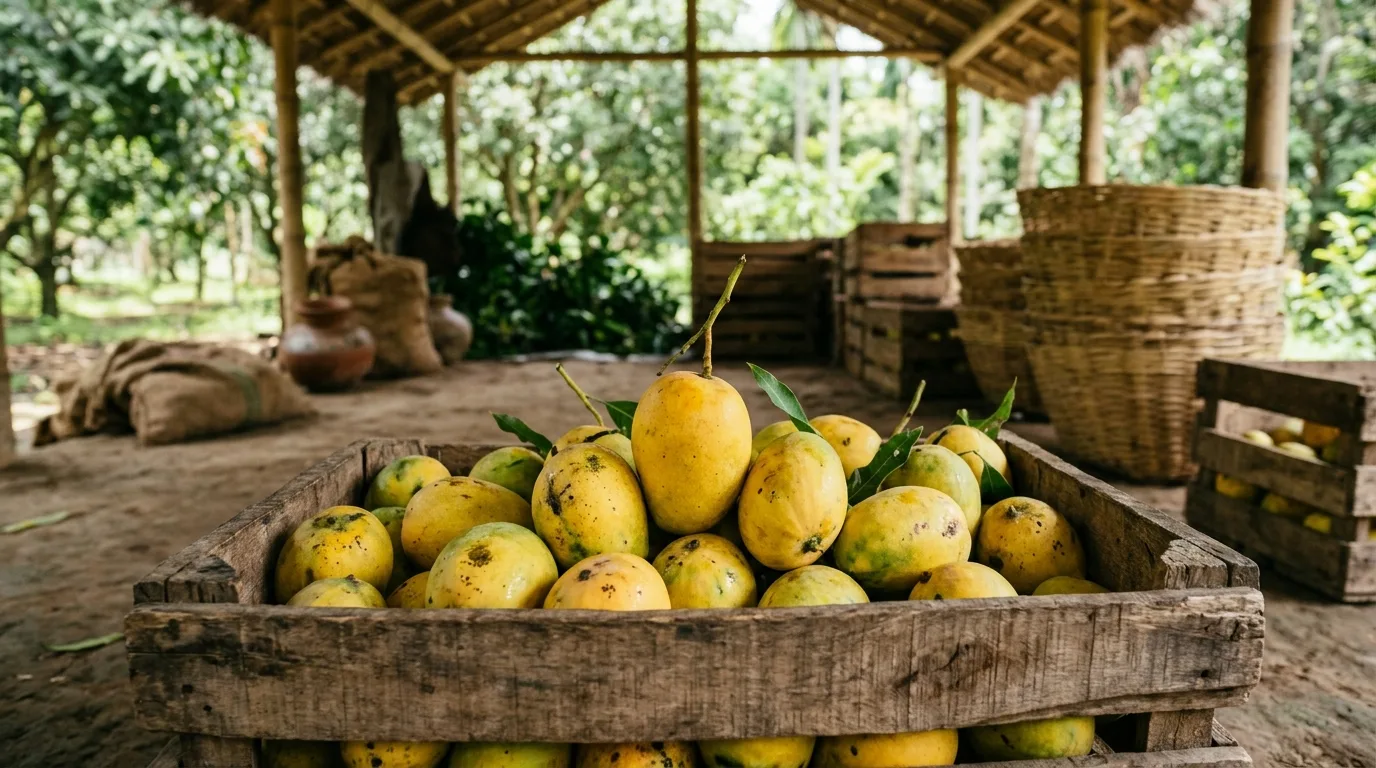
If you cannot travel to the north-west this season, you can still experience the local harvest. At Rajshahir Mango, our orchards have cultivated natural, formalin-free fruit in Rajshahi since 2013. During the summer harvest window, we ship mature, tree-ripened fruit in sturdy 12 kg and 24 kg crates across the country. Browse our seasonal collection of fresh Rajshahi mangoes and artisanal winter jaggery, complete with nationwide home delivery and simple payment options including bKash, Nagad, cards, and cash on delivery.