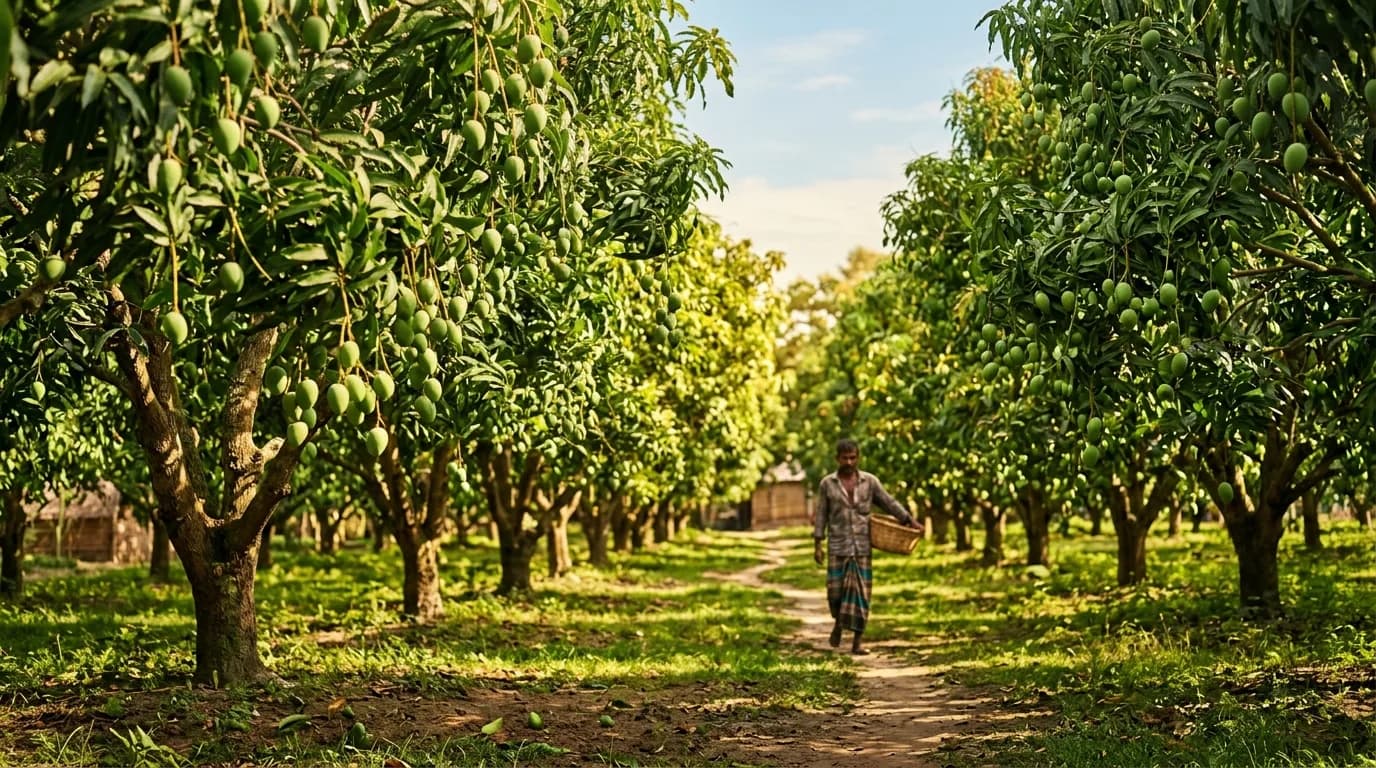
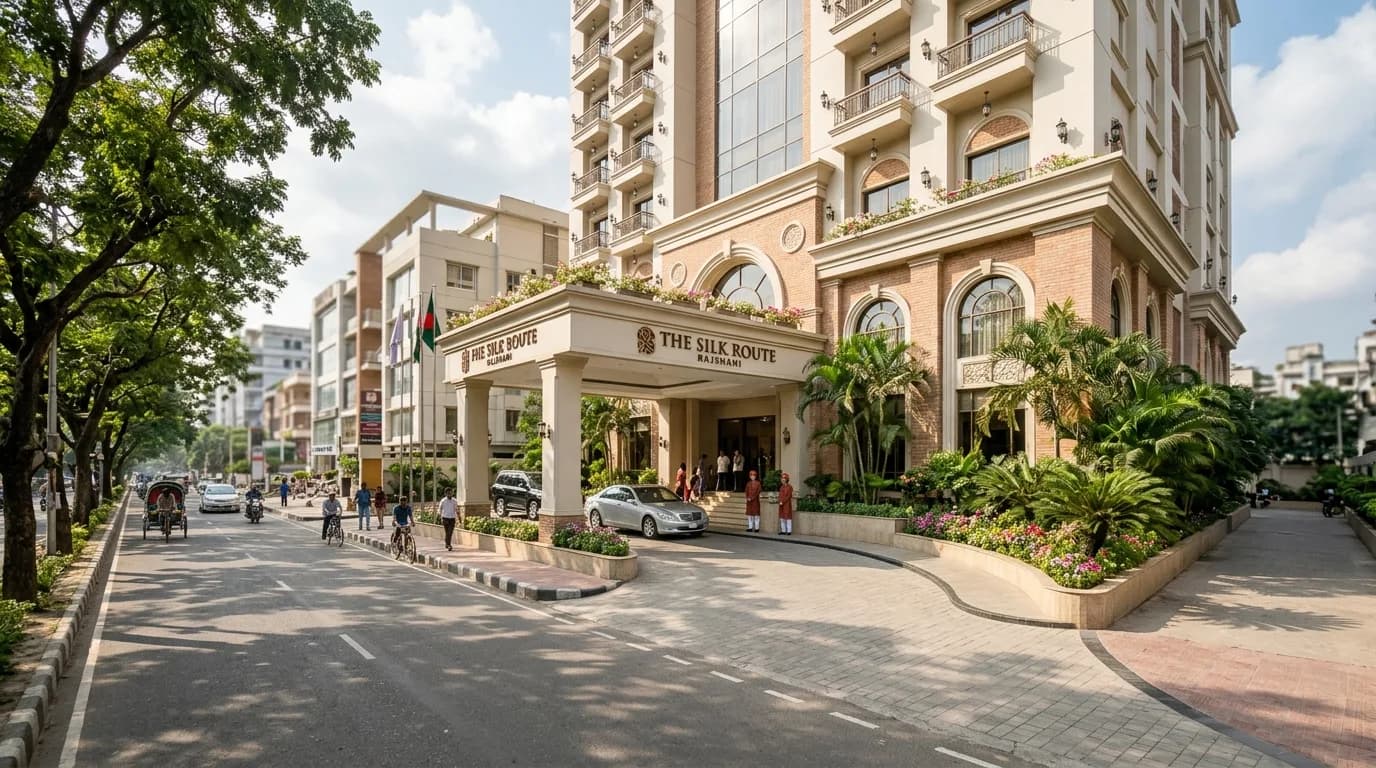
Finding the right room makes a real difference when you visit Rajshahi. You might be coming for work, sightseeing along the river, or touring the orchards during the summer harvest. In any case, choosing among the hotels in Rajshahi comes down to location, basic amenities, and the time of year.
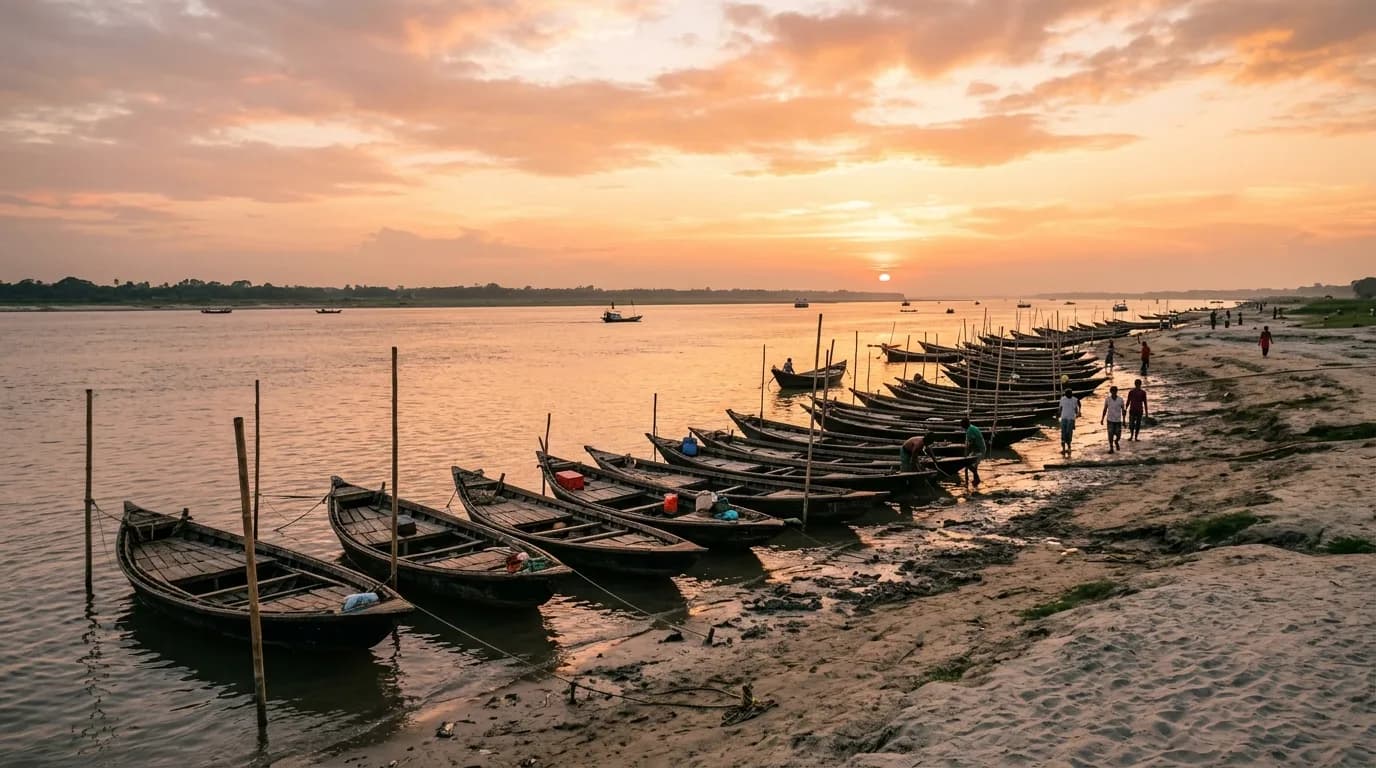
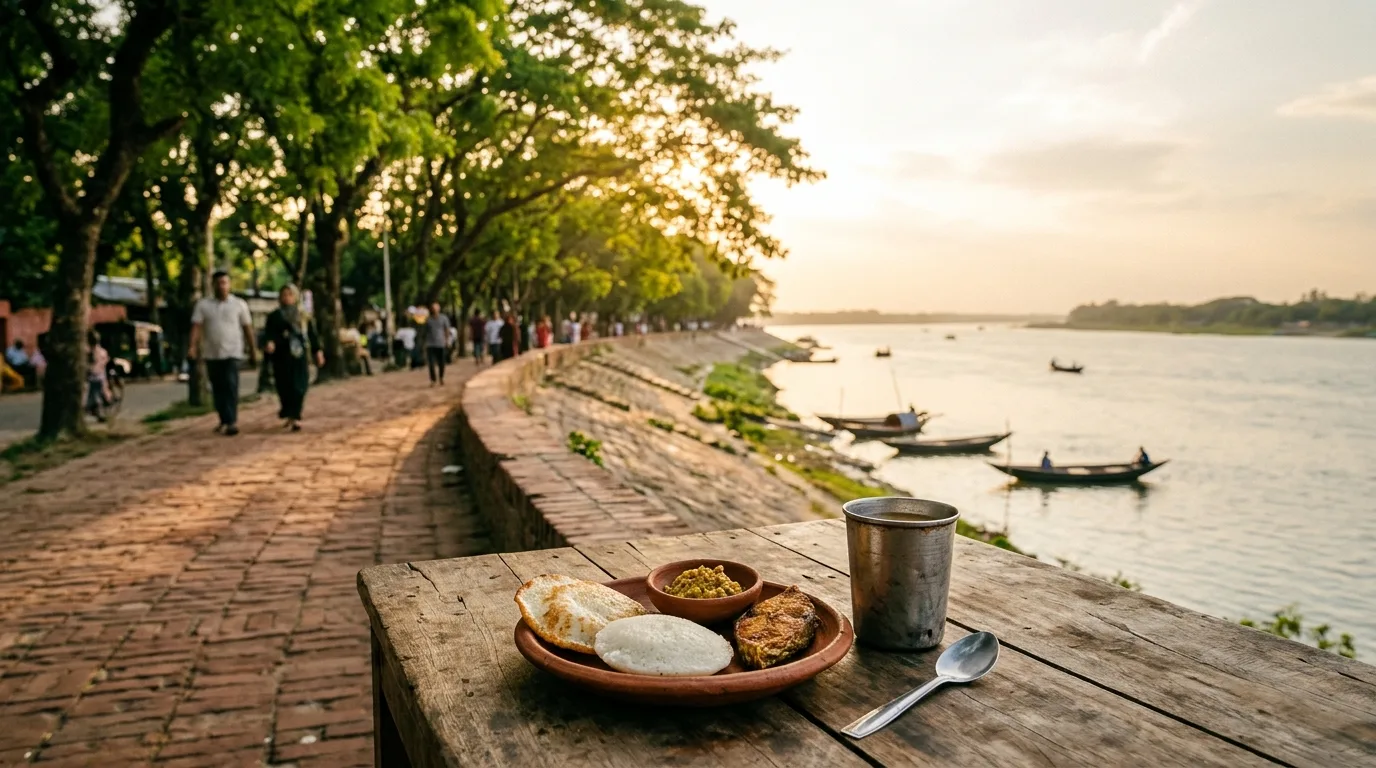
Rajshahi sits along the northern bank of the Padma River. It is a clean, calm city, noticeably quieter than Dhaka or Chattogram, but hotel occupancy swings sharply across the calendar. Knowing what to expect before booking keeps your stay straightforward and comfortable.
Choosing the Right Hotels in Rajshahi for Your Trip
The local hotel scene has expanded in recent years, with choices spanning full-service four-star properties down to practical budget lodges[1]. Your best pick depends on your budget, how you plan to get around, and how much luggage you are carrying.
Full-Service and Business Lodgings
If you need modern comforts, Grand Riverview Hotel in Kazihata near C&B Mor is the city's main four-star address[4]. It offers 105 climate-controlled rooms, in-room refrigeration, dedicated secure parking, and on-site dining, making it a reliable pick for corporate guests and travellers who want consistent amenities[3].
Another solid midscale-to-upscale choice is Royal Raj Hotel & Condominiums in Gonokpara, Boalia. You get central air conditioning, reliable generator backup, elevators that handle heavy luggage easily, and secure private parking, which helps if you are driving your own vehicle[5].
Government and Riverside Accommodation
Run by the Bangladesh Parjatan Corporation, Parjatan Motel Rajshahi on Abdul Majid Road remains a dependable option. Situated near the scenic Padma embankment, it features sprawling grounds, expansive parking spaces, and quick access to regional feeder roads heading into rural districts.
Commercial Transit and Budget Hotels
Clustered around Shaheb Bazar and Station Road, transit hotels like Hotel Nice International in Ganakpara and Hotel Star International offer straightforward budget-to-midscale rooms. When checking into budget properties, confirm that backup generators are running and that water pressure is steady, particularly during peak summer months.
Institutional Guest Houses
Agricultural researchers and NGO delegates often stay at the BRAC Learning Centre (BLC) in Sopura or book rooms at university and government circuit houses. These spots offer quiet, green surroundings, though you generally have to arrange reservations well ahead through institutional channels.
Neighbourhoods and Strategic Locations
Rajshahi's layout is compact, but your choice of base still dictates how much time you spend on the road. Key areas include:
- Kazihata and C&B Mor: A quiet administrative and residential area near the river embankment, well-suited for families and business travellers looking for calm, walkable streets.
- Shaheb Bazar and Boalia: The commercial heart of Rajshahi. Staying here puts you within walking distance of retail markets, sweetmeat shops, and local transport stands.
- Station Road and Sopura: Close to Rajshahi Railway Station and the BSCIC industrial area. This works best for rail passengers and visitors heading to silk mills or local workshops.
- Eastern Corridor (N6 Highway): If your mornings are reserved for orchard visits or produce auctions, staying near the eastern highway cuts transit time to rural markets significantly.
Seasonal Timing: When to Book Ahead
Accommodation demand in Rajshahi follows two primary rhythms: the summer mango harvest and the winter farming season.
Mid-May through late July brings the biggest rush of the year. Fruit traders, families, and agro-tourists arrive in large numbers to visit orchards and wholesale trading points. Hotel rooms routinely book out weeks ahead during this period.
The local administration sets an official harvest calendar each year to manage picking schedules across varieties[2]:
| Variety | Official Harvest Date | Demand Level |
|---|---|---|
| Local Guti Varieties | May 15 onwards | Moderate |
| Gopalbhog | May 22 onwards | High |
| Khirsapat (Himsagar) | May 30 onwards | Peak |
| Langra | June 10 onwards | Peak |
| Fazli & Amrapali | June 15 onwards | Peak |
| Ashwina & BARI-4 | Early July onwards | Moderate |
Winter tells a very different story. From November through February, the weather turns cool and dry, with temperatures between 11°C and 24°C. Occupancy is much lower, walk-ins find rooms easily, and it is an ideal window to explore date palm jaggery production out in the villages.
Essential Hotel Tips for Produce Travellers
Many people travel to Rajshahi specifically to buy fresh farm produce. If you intend to carry crates back with you, lodging requires a little extra thought.
Logistics and Luggage Handling
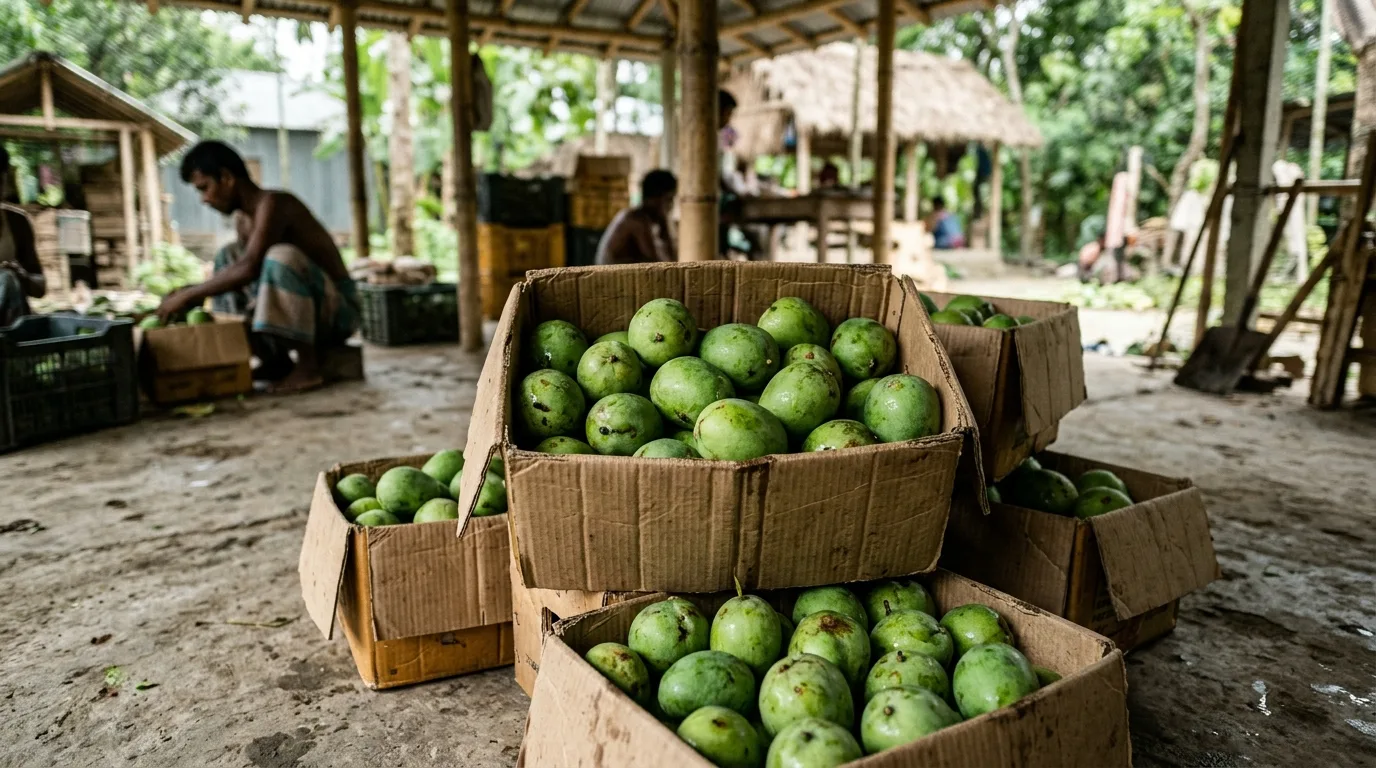
Standard corrugated fruit cartons weigh between 10 kg and 20 kg each. Before booking, check that your hotel has working elevators or can give you a ground-floor room. Make sure management allows boxed fruit on the premises, too, as some business-focused hotels restrict farm luggage in standard rooms.
Managing Fruit Temperatures in Hotel Rooms
Fresh-picked fruit is alive and perishable. It reacts quickly to indoor microclimates, and careless handling can spoil your haul before you head home:
- Ideal holding temperature: Keep mature green fruit well-ventilated in moderate room conditions between 13°C and 15°C (55°F–59°F).
- Avoid severe cold: Never store green fruit below 10°C (50°F). Turning your hotel room air conditioning down too far causes chilling injury, leaving the skin pitted, the pulp dark brown, and the fruit unable to ripen properly.
- Ripening temperatures: If you want mature fruit to ripen naturally in your room, keep ambient temperatures between 21°C and 25°C (70°F–77°F).
Avoiding Spoilage and Proper Hygiene
A frequent mistake is sealing warm, freshly picked fruit inside polythene bags and leaving it in closed luggage or unventilated rooms. Trapped heat triggers anaerobic fermentation, turning fruit skins black and souring the pulp within 24 to 48 hours. Always stick to breathable, perforated paper crates or open baskets.
Fresh mango stems also leak acidic latex sap right after harvest. Wash fruit exteriors thoroughly with potable water before handling or peeling to avoid contact dermatitis and mouth burns.
Visiting Baneshwar and Rural Markets
For visitors wanting to see wholesale trading firsthand, Baneshwar Hat sits roughly 25 kilometres east of Rajshahi city along the N6 highway. During harvest months, trade kicks off as early as 5:00 AM and winds down by mid-morning.
Staying in central or eastern Rajshahi makes it easy to hire an auto-rickshaw or car and reach the market before the morning rush peaks. Arrange return transport the evening before, since highway traffic gets congested around the market during trading hours.
Bringing the Best of Rajshahi to Your Doorstep
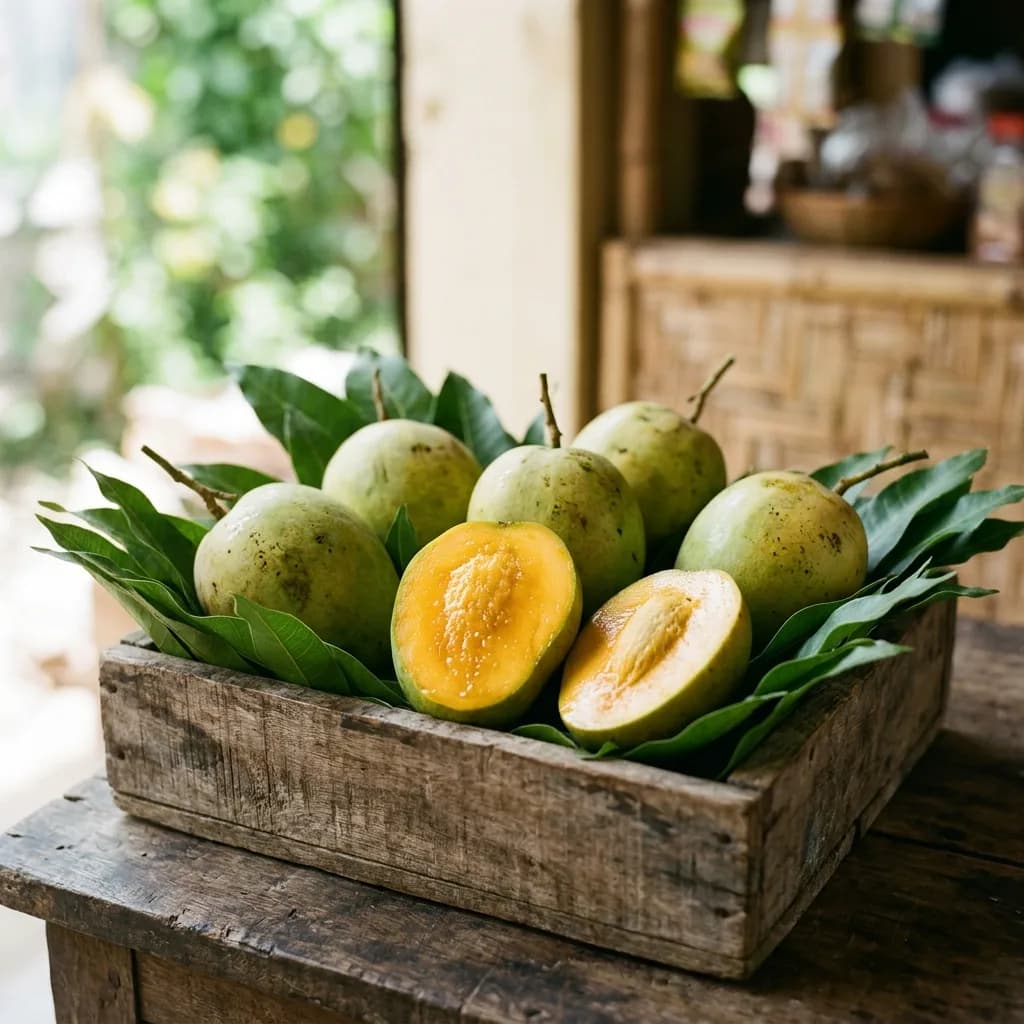
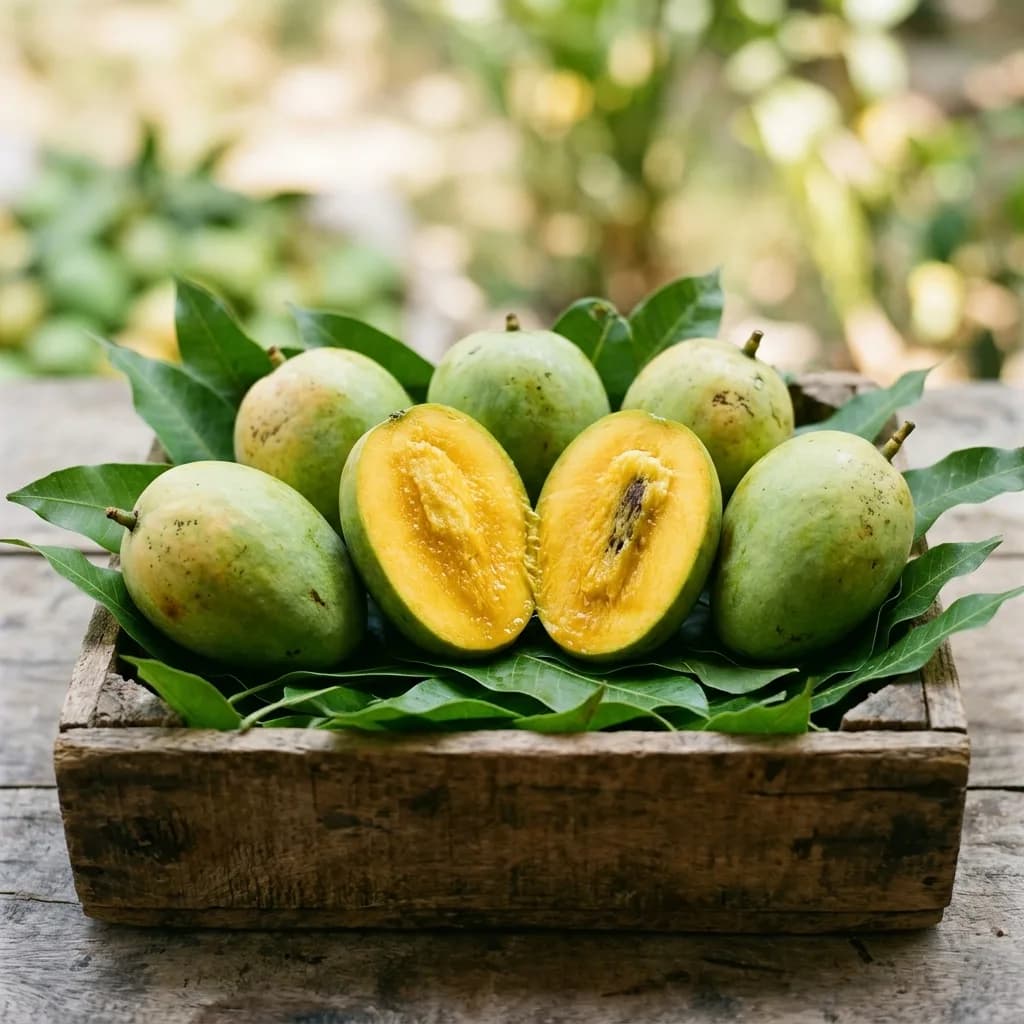
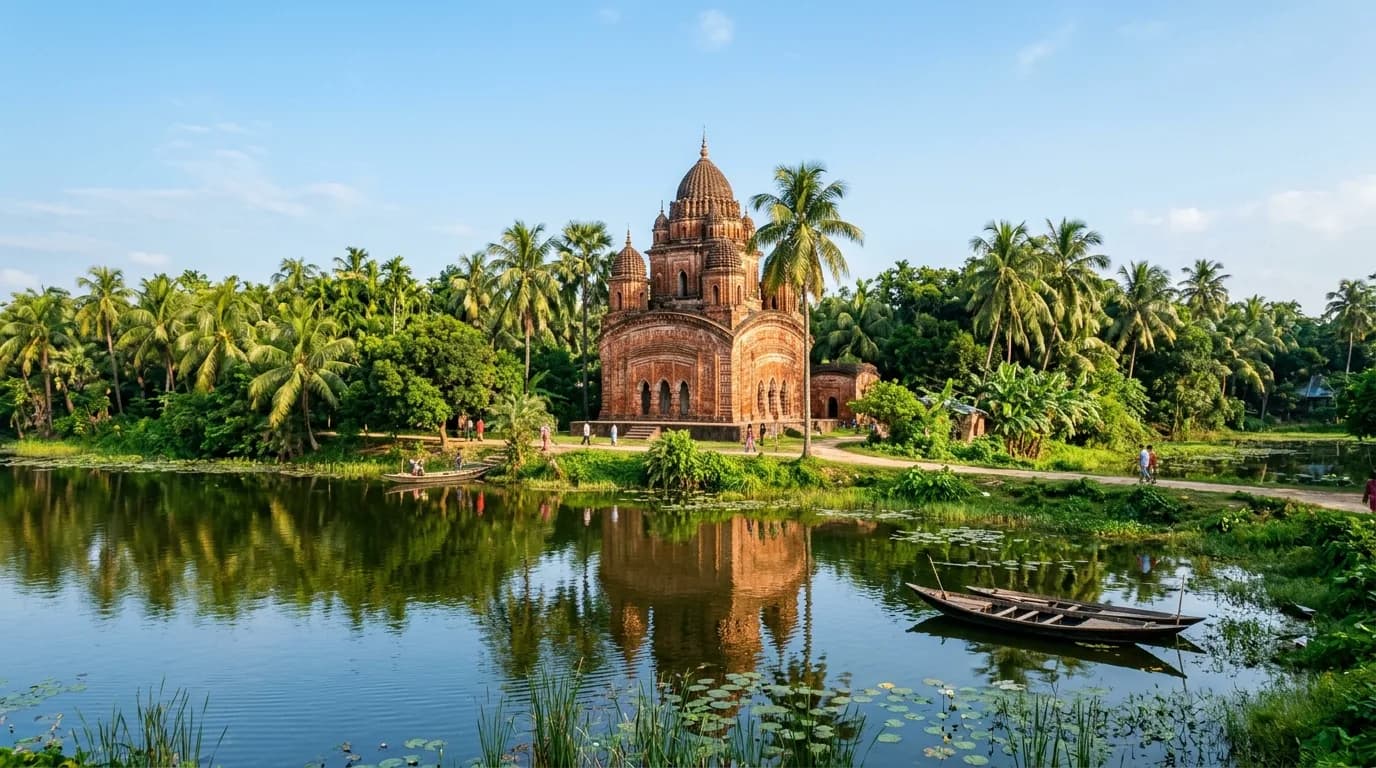
A visit to Rajshahi gives you an authentic look at northern Bangladesh's agricultural heritage, from quiet riverfront sunsets to green orchard rows. Picking the right lodging means you can take in the city without logistical headaches.
If you cannot travel to the orchards this summer, you can still enjoy the harvest at home. Since 2013, our family-managed orchards in Rajshahi have harvested premium, formalin-free fruit left to ripen naturally on the tree. Explore our seasonal fresh mango collection, including fragrant Premium Himsagar and authentic Langra mangoes, safely packed in durable crates and delivered nationwide by reliable courier services.