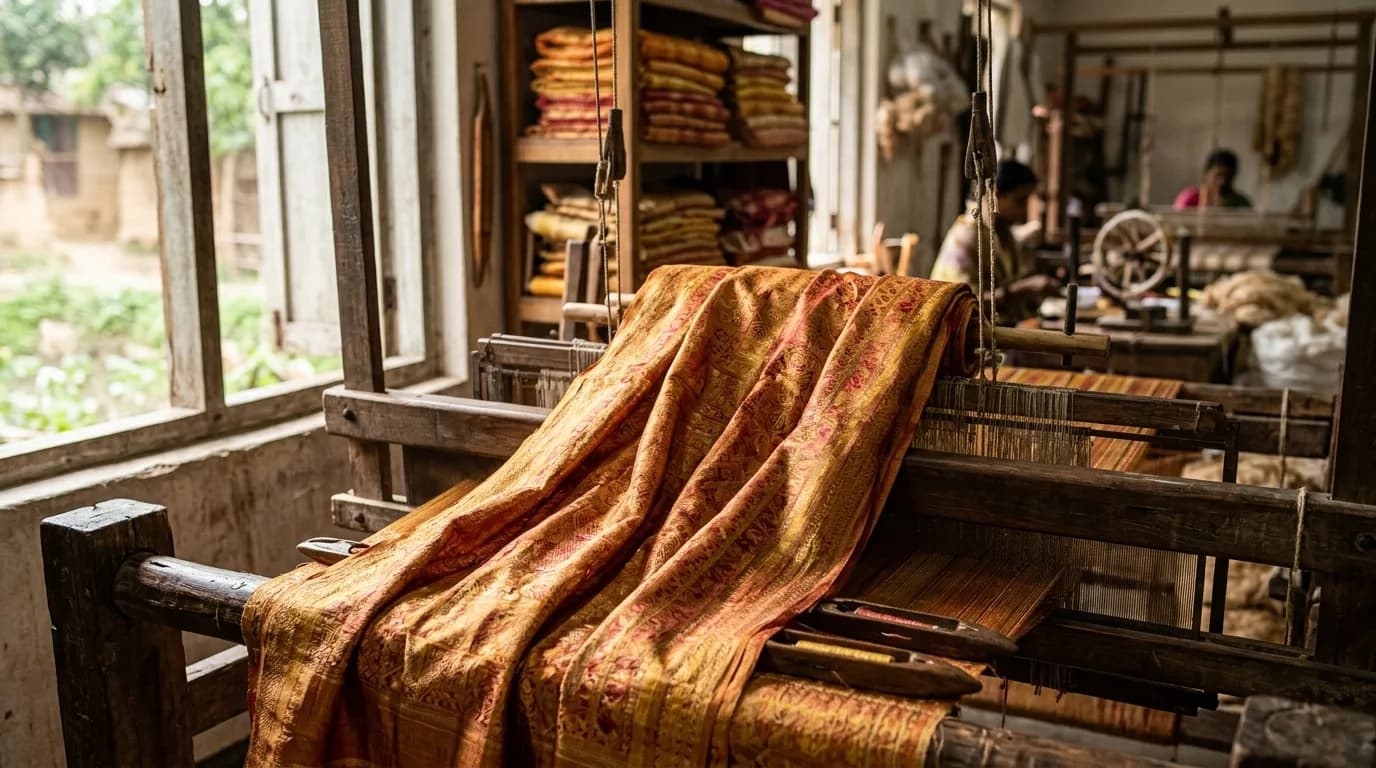
Mention our home district along the Padma River to anyone in Bangladesh, and two things come up: sweet summer fruit and real Rajshahi silk. For generations, weavers here have produced silk known far beyond our borders for its featherlight feel, soft sheen, and remarkable strength[1].
If you're visiting Rajshahi in person or buying traditional textiles from afar, spotting the real thing takes a bit of practice. The market has plenty of imported synthetics sitting alongside authentic handloom weaves. Knowing how genuine silk is raised, reeled, and woven gives you the confidence to pick out quality pieces every time[1],[4].
The Living History of Rajshahi Silk
People have practiced sericulture in this fertile river basin for centuries. Commercial silk production along the Padma dates back to at least the 13th century[3]. Through medieval and colonial trade routes, fine fabric from our region travelled the world under names like Bengal silk or Ganges silk[3]. European merchants regularly noted the unusual fineness of the yarns spun by local farming families[3],[5].
After partition in 1947, the trade needed fresh direction. Production was formally centralized in Rajshahi in 1952 to help cottage workers get back on their feet[3],[5]. A major step came in 1961 with the founding of the state-owned Rajshahi Silk Factory, which brought modern reeling equipment straight to the north[3].
The Bangladesh Sericulture Development Board (BSDB) opened its doors here in 1978 to run research, support mulberry farmers, and back local weavers[3]. That long line of craftsmanship earned legal protection in 2021 when Rajshahi Silk received official Geographical Indication (GI) status in Bangladesh[3]. The tag confirms that authentic silk under this name belongs to our district's specific soil, water, climate, and generational skill[3].
From Cocoon to Loom: How Rajshahi Silk Is Made
True silk starts in the soil, not on a machine. Sericulture runs on strict farming routines, precise timing, and patient handwork[4],[6].
The Mulberry and Larval Life Cycle
Commercial silk here comes mainly from the domesticated silkworm, Bombyx mori[4]. The worms eat only fresh, tender leaves picked from the mulberry tree (Morus species)[4]. Their full cycle from egg to cocoon takes roughly 45 to 55 days[6].
The eggs hatch after 9 to 10 days of incubation[6]. From there, the young caterpillars eat chopped mulberry leaves for 24 to 28 days straight, growing fast and passing through 4 distinct molts[6]. Once mature, farmers shift them onto round bamboo frames called chandrika. Over the next 3 to 4 days, each caterpillar spins a protective cocoon, drawing out a single unbroken protein filament from its glands[4],[6].
Stifling and Cocoon Boiling
Timing at harvest makes all the difference. Farmers must gather the cocoons within 6 to 8 days after spinning starts[6]. If the moth inside fully forms and cuts its way out, it ruins the continuous strand[4],[6].
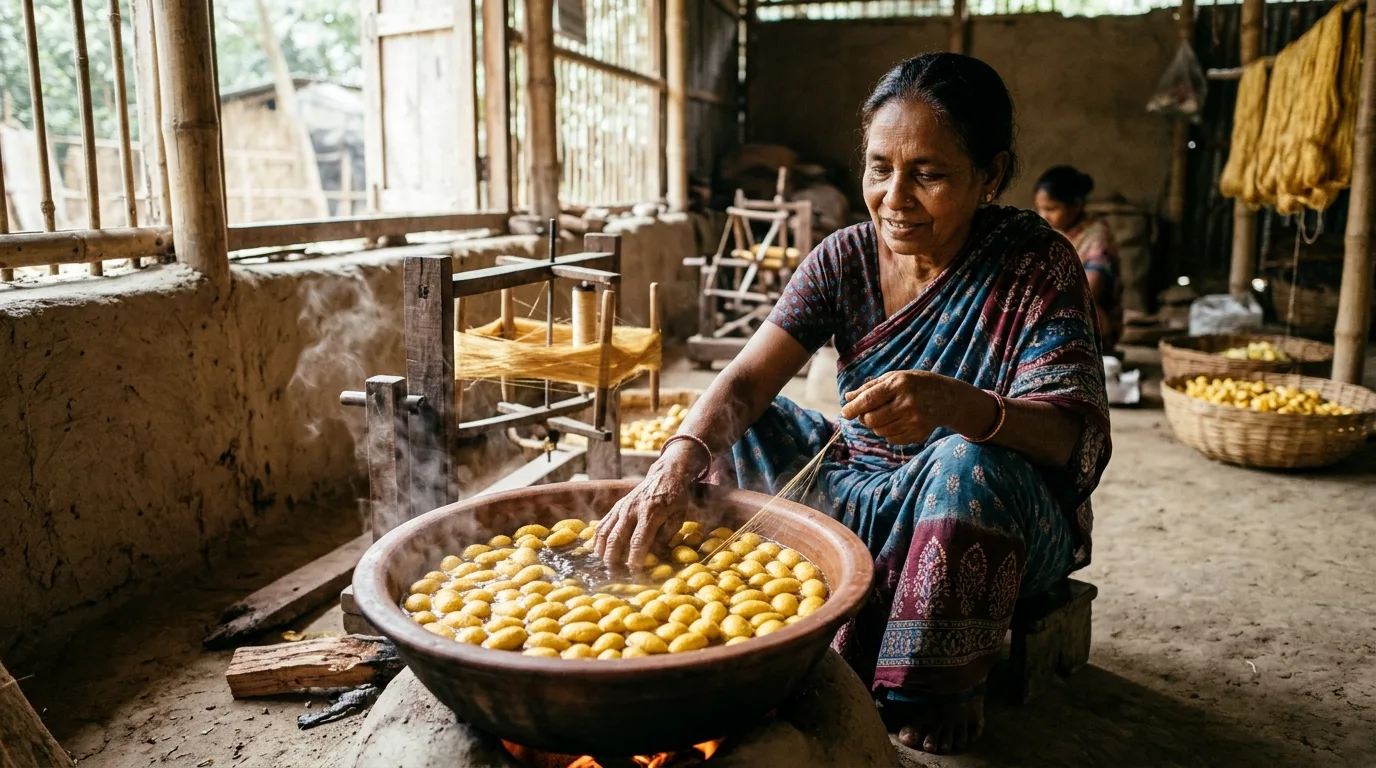
To protect the thread, pupae are stifled using warm air, steam, or direct sunshine[4],[6]. Stifled, dried cocoons can sit safely in clean, airy storage rooms for up to 6 months without spoiling[6]. When it is time to reel, workers drop the cocoons into boiling water kept at 90°C to 95°C with a neutral pH between 6.8 and 7.4[6]. This hot bath softens the sericin, the natural gummy protein holding the fibroin fibers together[4],[6].
Reeling and Weaving Varieties
While the cocoons soak, workers lightly brush them to catch the filament end. One healthy cocoon yields between 600 and 1,000 meters of usable thread[4],[6]. A single strand is far too thin on its own, so reelers combine filaments from 5 to 8 cocoons at once to spin standard weaving yarn[6]. Rajshahi looms turn out three main types[2],[4]:
- Mulberry Silk: The finest grade, reeled from Bombyx mori cocoons. It is soft, light, and naturally lustrous, making it the top choice for sarees, dupattas, and panjabis[2],[4].
- Eri (Endi) Silk: From Samia ricini worms fed on castor leaves. Because reelers cannot draw these cocoons into one long strand, they spin the fibers into a heavier, matte yarn that holds warmth well[2],[4].
- Tassar Silk: A wild silk that yields a sturdier, copper-toned thread prized for its rougher texture and rustic fall[2],[4].
How to Identify Authentic Rajshahi Silk
Because synthetic copies flood the market, it pays to know what pure silk feels and acts like. Natural silk is an animal protein, so its physical behavior is tough for plastic fibers to mimic[1].
The Burn Test
A simple burn test is still the most reliable way to check fiber content. Pull a single loose thread from a fringe or an inside seam and touch it with a match[1]:
- Real Silk: Catches flame slowly, burns only while the flame touches it, and goes out the moment you take the fire away[1]. It smells like burnt hair or scorched feathers[1]. What is left behind is a soft, dark ash that crushes between your fingers into dust[1].
- Synthetic Imitation: Flashes quickly, drips, and melts into a sticky blob[1]. It puts off dark smoke with a sharp chemical or plastic smell[1]. Once cool, it leaves a hard, smooth plastic bead you cannot crush[1].
Luster, Drape, and the Ring Test
Under a lens, mulberry silk fibers look like small triangular prisms[1]. That natural shape bounces light in different directions, giving the fabric a soft, changing glow instead of the flat, mirror-like shine of polyester[1]. Pure silk also warms up quickly when you rub it briskly between your palms[1].
For lightweight mulberry sarees, there is the old ring test. Because authentic silk thread is smooth and creates very little drag, an entire unstitched saree can slip straight through an ordinary finger ring without catching[1].
Authentic Silk vs. Synthetic Alternatives
| Evaluation Metric | Genuine Mulberry Silk | Synthetic Polyester Imitation |
|---|---|---|
| Fiber Structure | Triangular protein prism refracting light | Uniform synthetic cylinder producing flat glare |
| Thermal Sensation | Warms quickly against skin contact | Remains cold and clammy to the touch |
| Burn Scent | Distinct odor of burning hair or feathers | Harsh odor of burning chemical plastic |
| Ash Formation | Soft, brittle black ash that crushes easily | Hard, melted plastic bead that resists crushing |
| Air Breathability | Natural protein fibers allow heat transfer | Traps moisture and body heat underneath |
Where to Buy Real Silk and Proper Garment Care
If you are shopping in Rajshahi, stick to trusted spots. The Bangladesh Sericulture Development Board (BSDB) runs its own Sales & Display Centre in town with certified local weaves[3],[5]. You will also find established cooperatives and long-running silk houses clustered in the Sopura neighborhood[3],[5]. Always check their opening hours before heading over, as public holidays and local weekend closures can change shop schedules.
Good silk lasts for years if you treat it right. Harsh washing powders and hot water over 30°C break down the natural protein fibers. Hand-wash your pieces in cool water using a gentle baby shampoo or a mild wash formulated for silk.
Never pack pure silk away in airtight plastic bags. Plastic traps damp air, which breeds mold and ruins natural fibers. Instead, wrap your clothes loosely in clean, breathable cotton or muslin fabric, and store them in a dry, dark wardrobe.
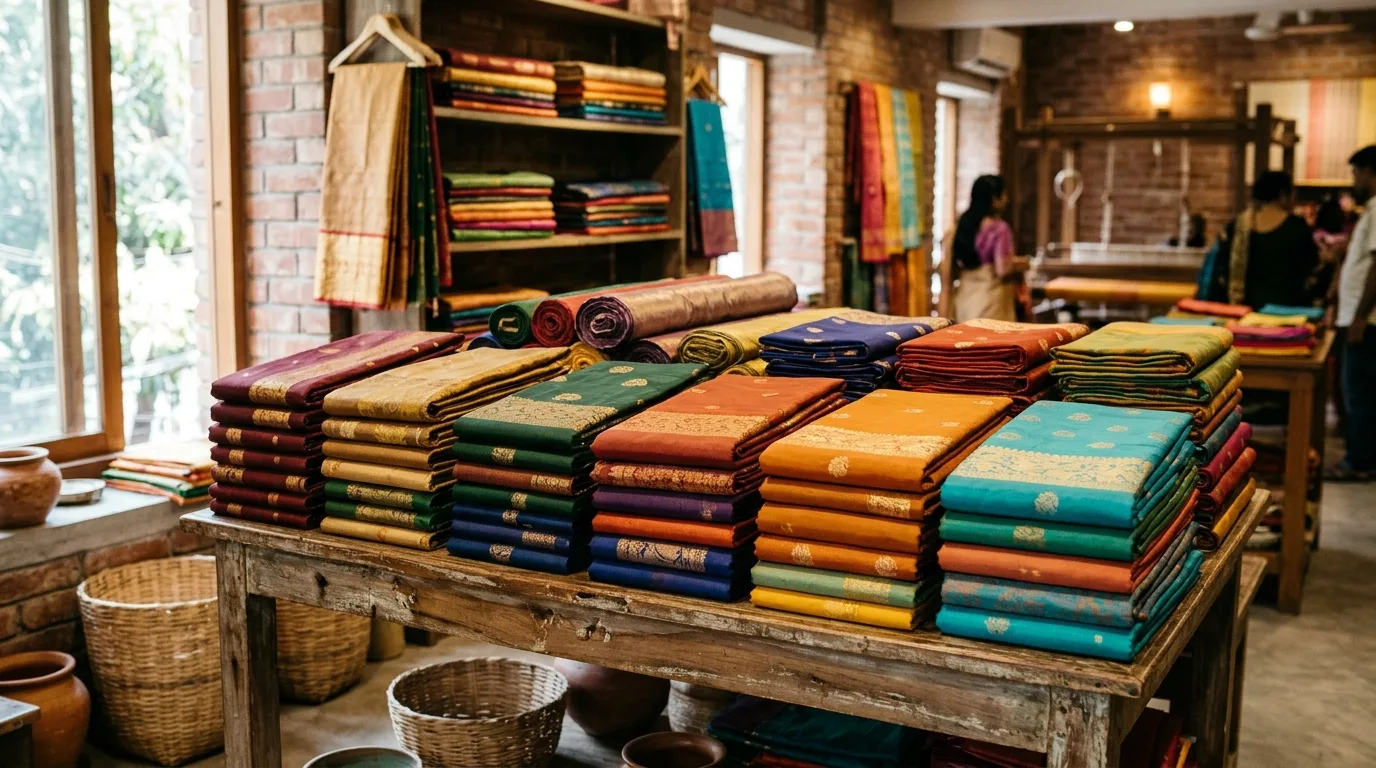
Experiencing the True Heritage of Rajshahi
Rajshahi's character is shaped by good soil and patient hands, whether on a handloom or out in an orchard. While weavers work their looms near the riverbank, we work our family fruit groves under the same Padma sunshine. We have grown chemical-free Rajshahi fruit here since 2013, packing and sending it directly across Bangladesh.
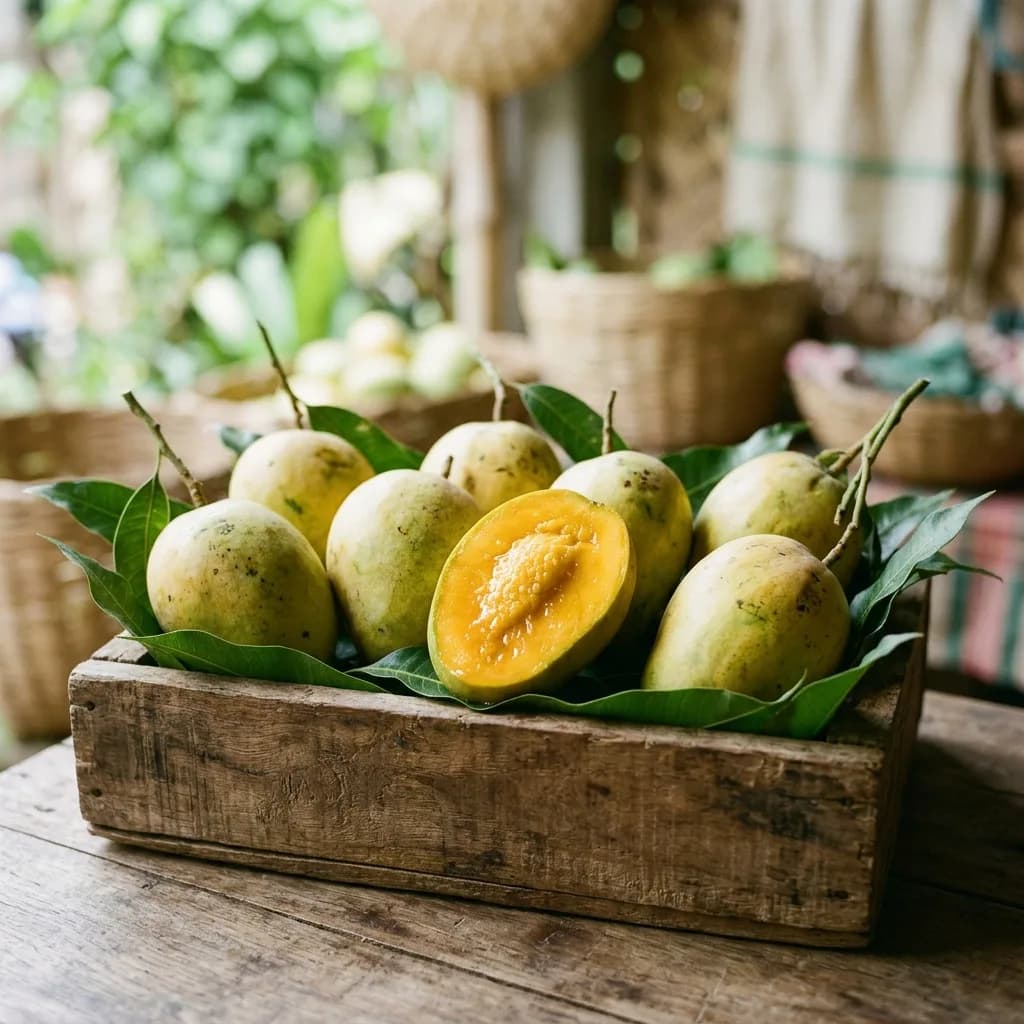
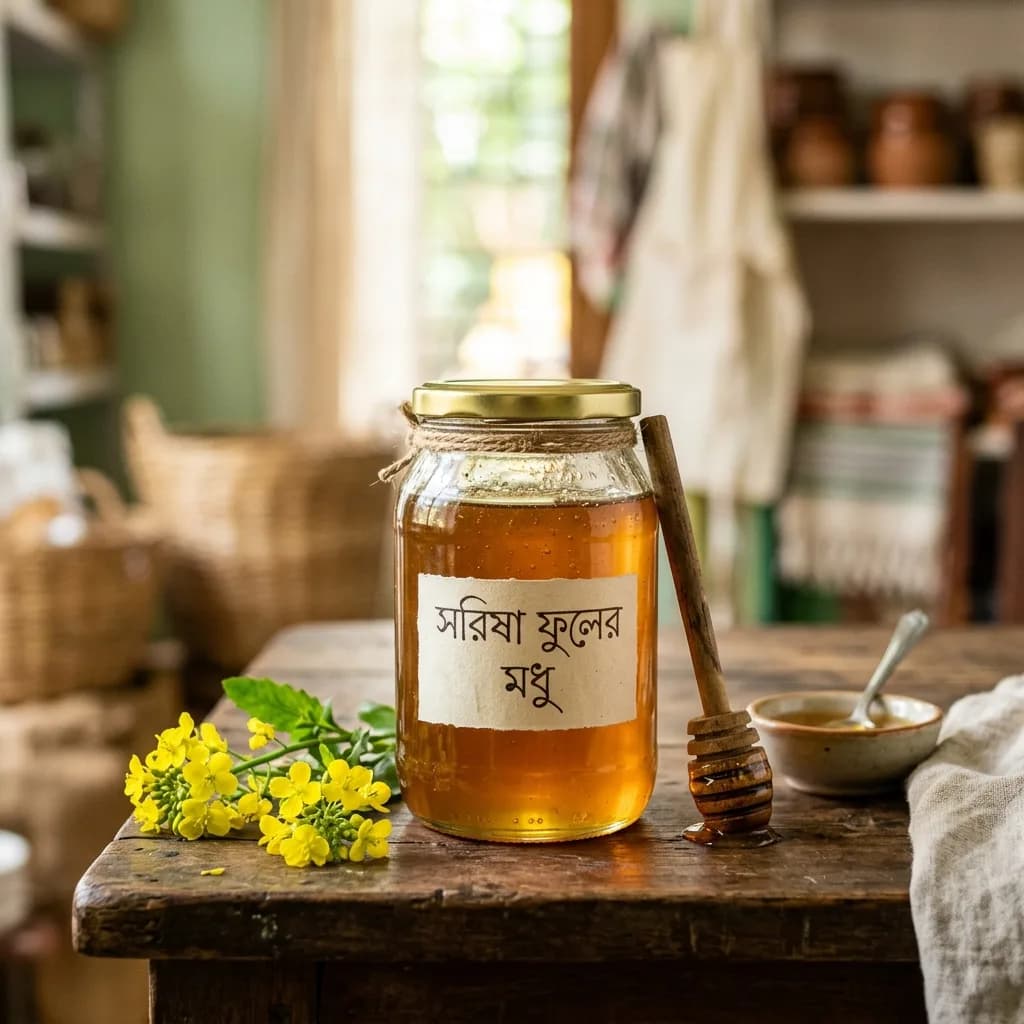
When harvest season runs from May through August, you will find our fresh Rajshahi mangoes, including tree-ripened Himsagar mango packed securely in 12 kg and 24 kg crates. Come winter, we harvest pure Mustard Flower Honey straight from the fields around us. Whether it is a handwoven saree or fresh fruit from the north, this region produces honest things made to be enjoyed for years to come.