Rajshahi has long held a quiet reputation across Bangladesh as an academic town. For students, historians, or anyone visiting for the first time, walking through its major educational institutions shows you just how deep the region's intellectual roots go[1].
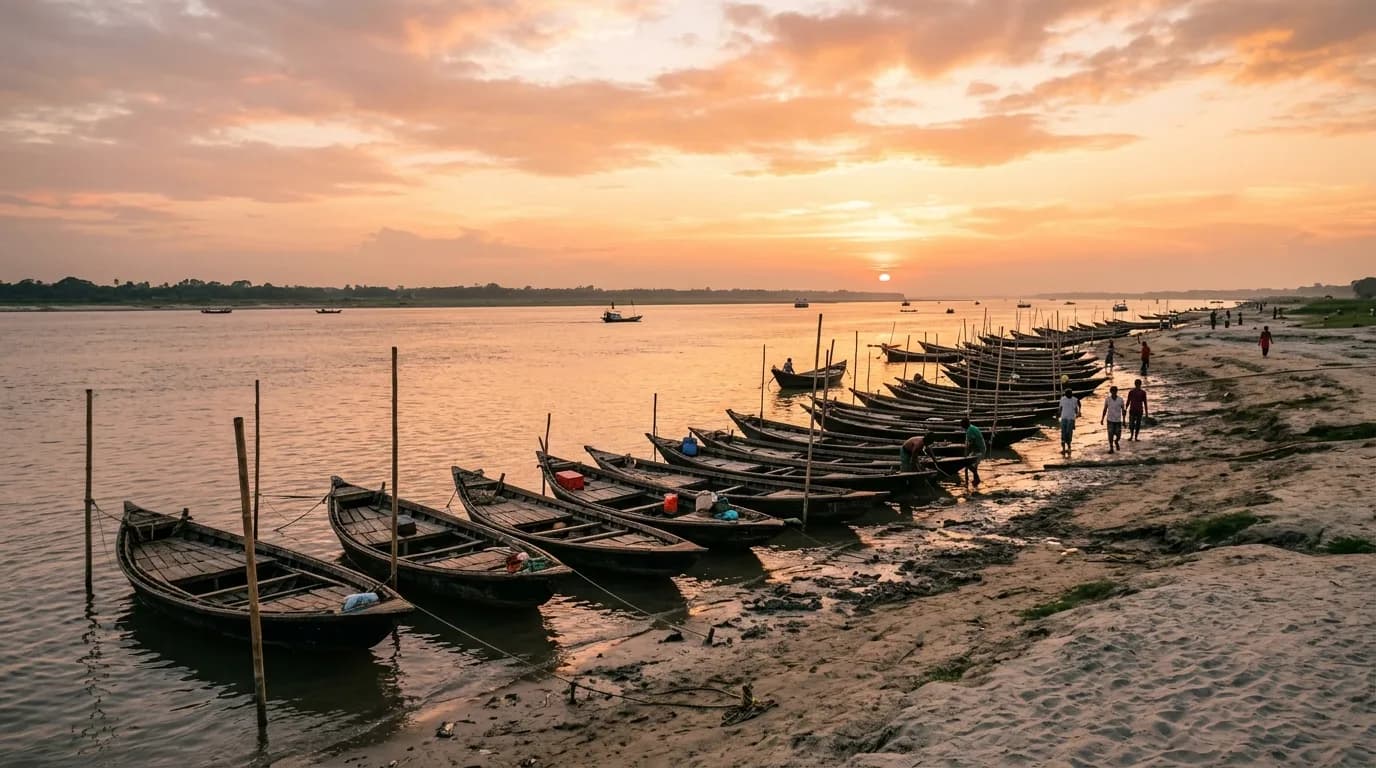
The banks of the Padma River supported scholars long before the modern city grew up around them. Today, a trip to Rajshahi means clean, wide streets shaded by old rain trees and mahogany, connecting university grounds, historic brick colleges, and agricultural testing plots[1]. People often call Rajshahi the country's "Education City." Here is a look at the schools and research centres that shape how northern Bengal learns.
Historic Schools and Colleges in Rajshahi
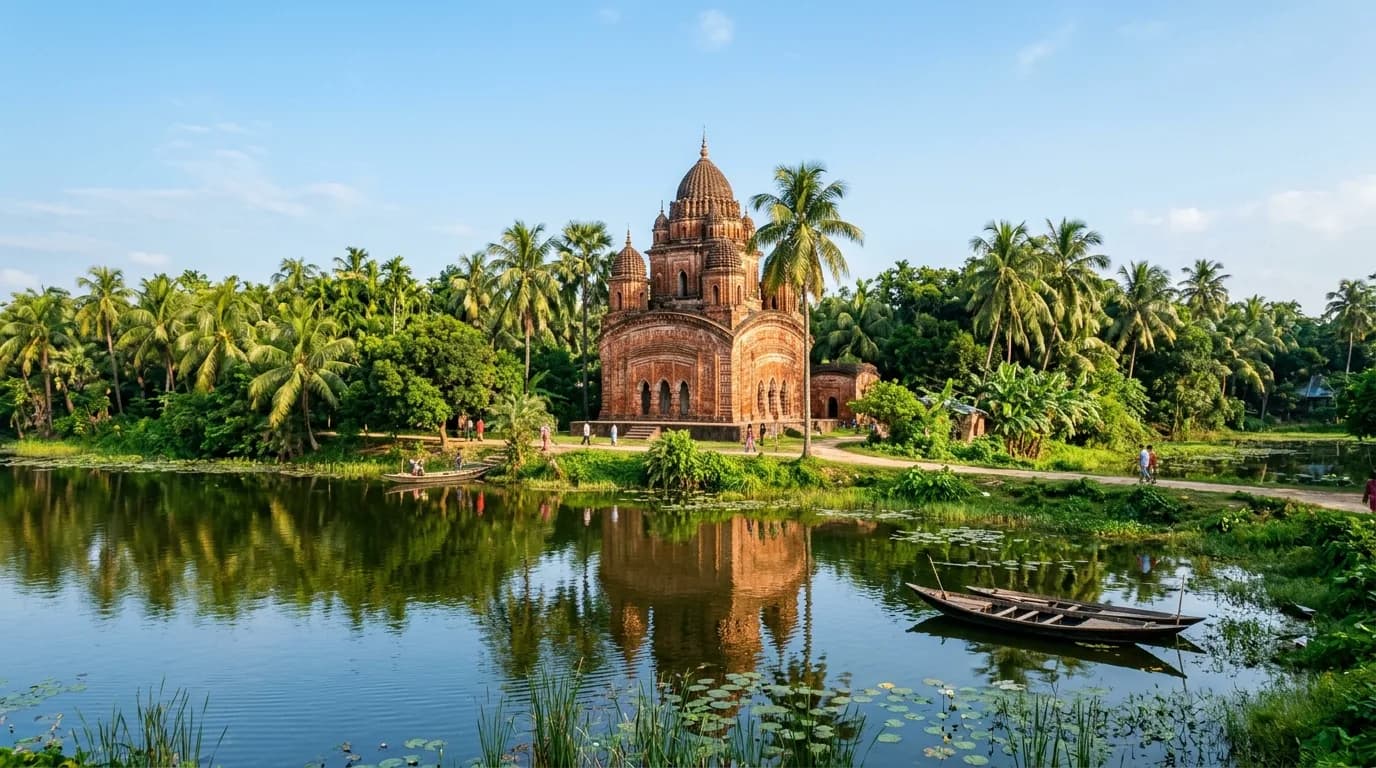
Western and vernacular schooling took firm root here during the nineteenth century. Many of those early secondary schools and colleges still run full classes today, working out of their original colonial-era brick buildings[1].
Pioneering Secondary Schools
The oldest of them is Rajshahi Collegiate School, founded back in 1828[1]. As the oldest school in Bangladesh, it has taught generations of civil servants, lawyers, and teachers over nearly two centuries [1, 4]. There is also Govt. P.N. Girls’ High School, which helped open formal education to girls across northern Bengal[4]. A bit further out in the district, Rajshahi Cadet College remains known for its disciplined residential schooling and strong academic record [1, 4].
Historic Colleges
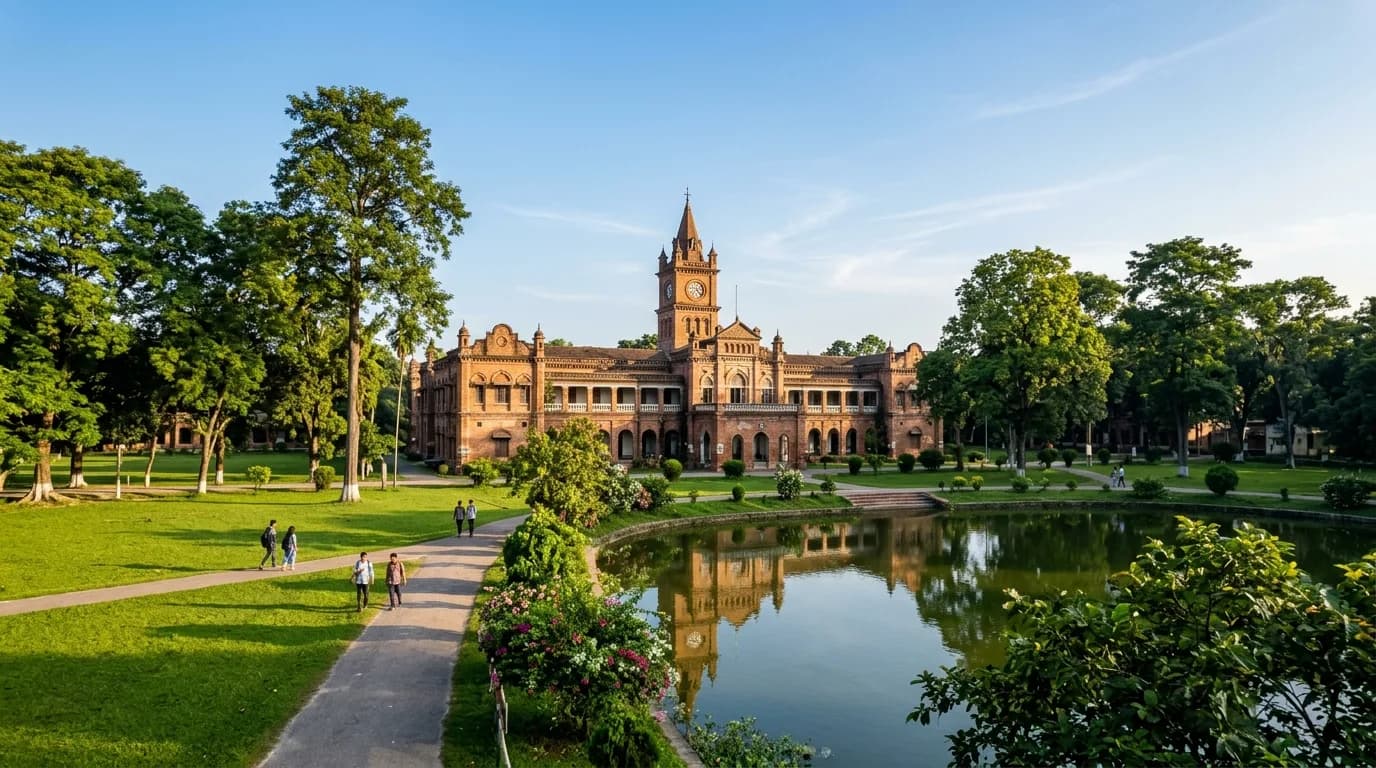
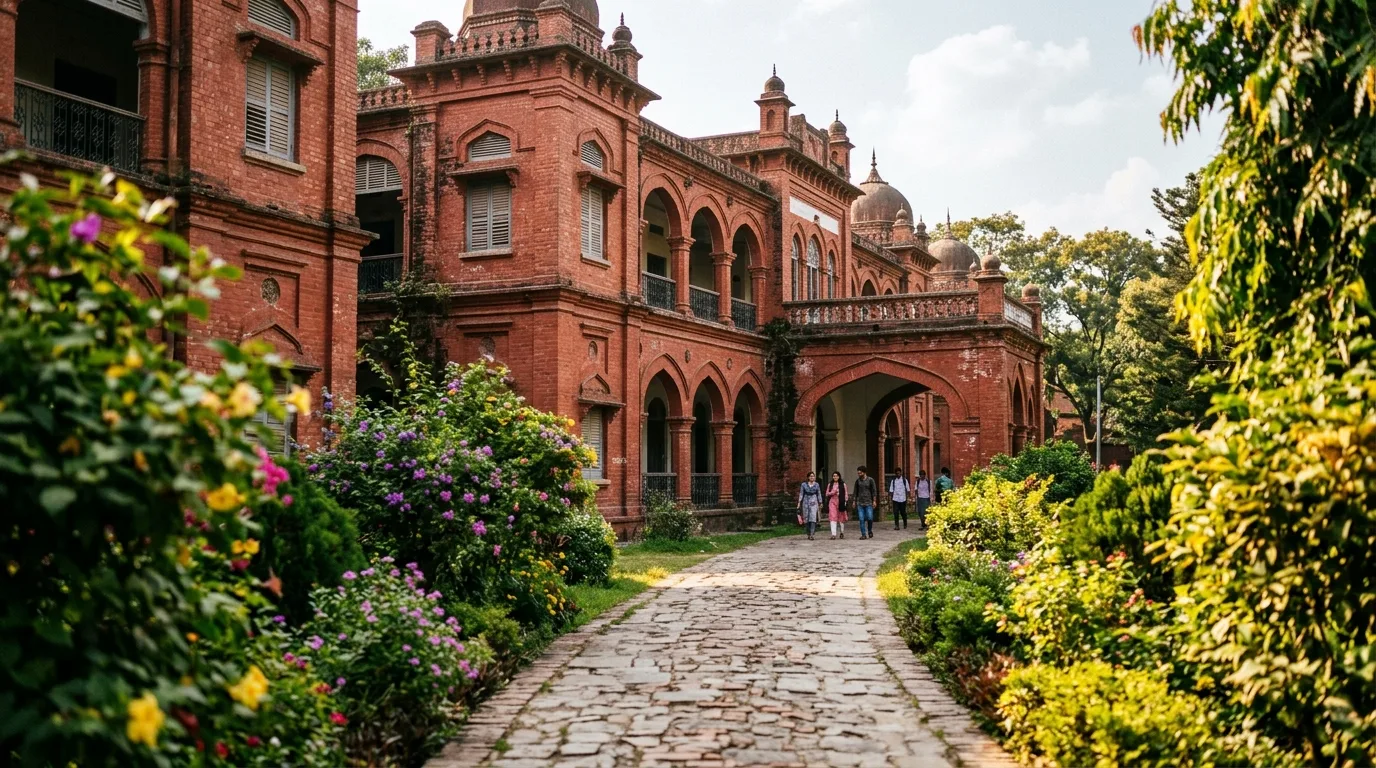
Undergraduate and higher secondary studies in the city centre on Rajshahi College, established in 1873 [1, 5]. It is the third-oldest college in the country, set right in town among well-kept lawns and red-brick heritage halls [1, 5]. For decades, it has stood near the top of national college rankings across humanities, science, and commerce[5].
Two other large government degree colleges keep higher education within reach for local families. New Government Degree College and Rajshahi Government City College take in thousands of higher secondary and degree students each year [1, 4].
Major Universities and Professional Academies
Beyond its colleges, Rajshahi serves as the main university hub for northern Bangladesh. It holds large public research campuses alongside specialized engineering and medical institutions[1].
University of Rajshahi (RU)
Founded in 1953, the University of Rajshahi is the second-oldest public university in Bangladesh[1]. The campus sprawls across hundreds of acres in Motihar. Its trademark is Paris Road, a long avenue flanked by tall mahogany trees leading past dormitories, open playing fields, and faculty buildings. RU offers degrees in arts, sciences, business, and law, drawing students from every corner of the country[1].
RUET and Rajshahi Medical University
Engineering education is centred at Rajshahi University of Engineering & Technology (RUET)[1]. Sitting right next to RU, RUET trains engineers in civil, mechanical, electrical, and computer disciplines, preparing graduates who work on major infrastructure across Bangladesh.
For healthcare, Rajshahi Medical University (RMU) serves as the main research and affiliating centre for medical colleges across northern Bengal[1]. Private institutions like Varendra University and North Bengal International University also operate in the city, expanding degree options in computer science, business, and the social sciences[1].
Agro-Bioscience Institutions and Pomological Research
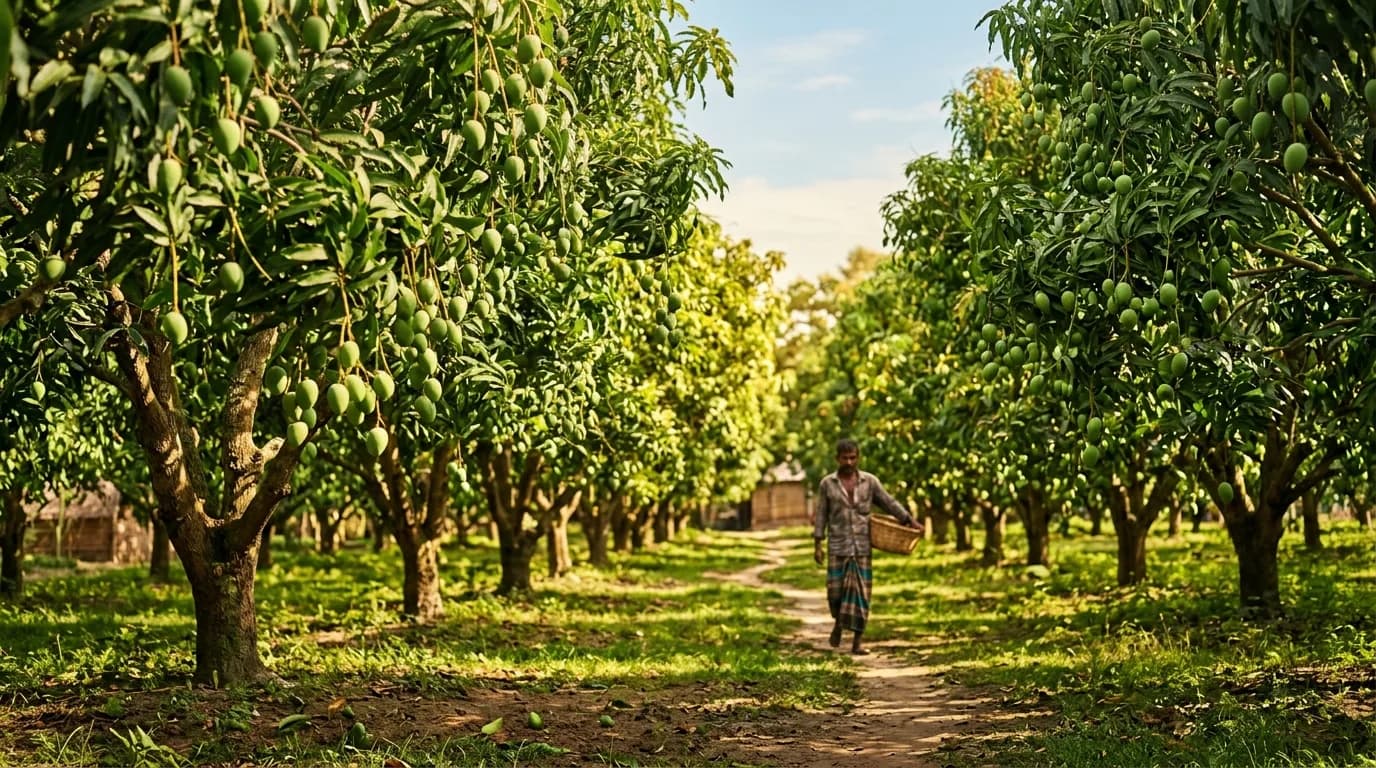
Rajshahi's climate and fertile soil make it an agricultural heartland. Because of that, several local institutions focus straight on soil health, plant breeding, crop improvement, and orchard management [2, 3].
University Research Faculties
At the University of Rajshahi, the Faculty of Agriculture works on practical farm challenges and crop yield improvement[2]. Departments such as Agronomy, Crop Science and Technology, and Fisheries run both lab and field trials built around the Barind Tract's specific soil and weather [2, 3]. Research institutes on or near campus, including the Shaheed Shamsuzzoha Institute of Biosciences (SSIB) and the Rajshahi Institute of Biosciences (RIB), handle advanced work in microbiology and biochemistry[6]. Practical farm-level training runs through the Rajshahi Agriculture Diploma Institute[6].
The Fruit Research Station
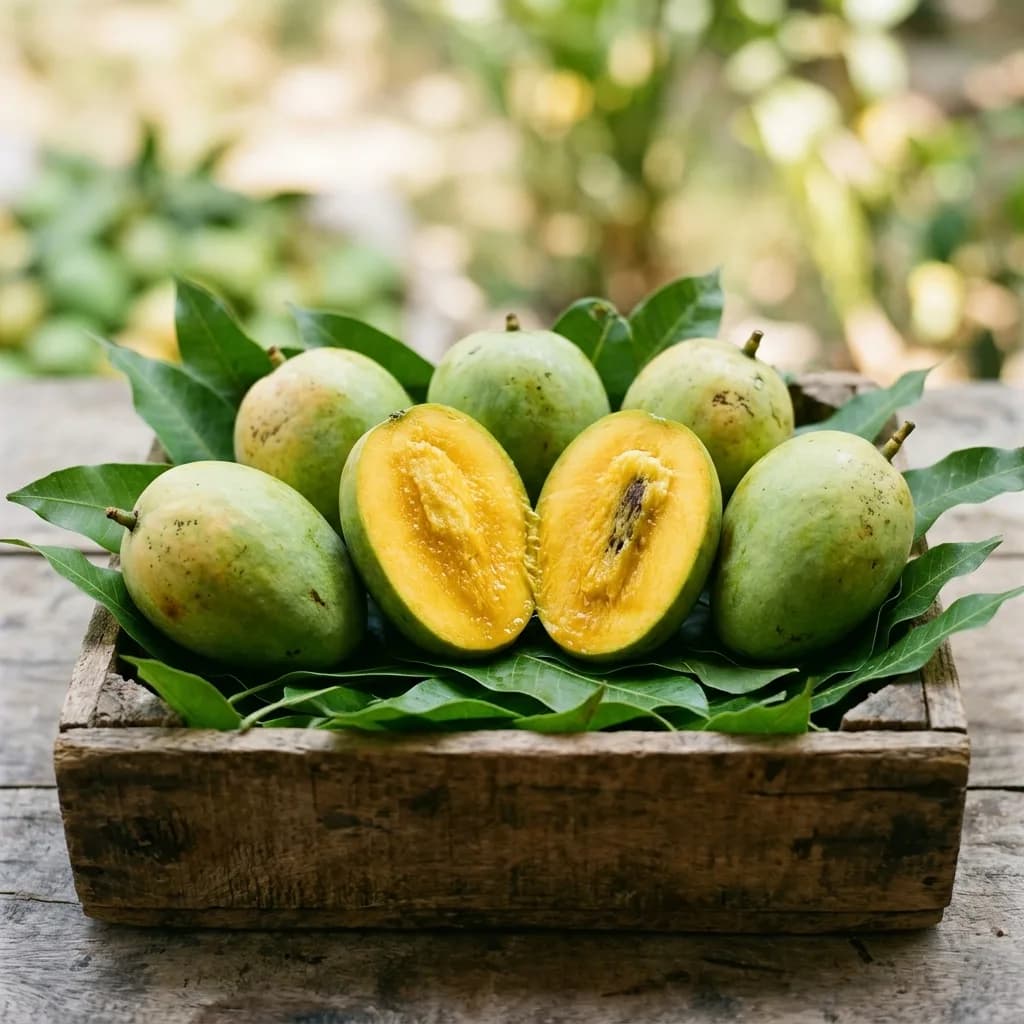
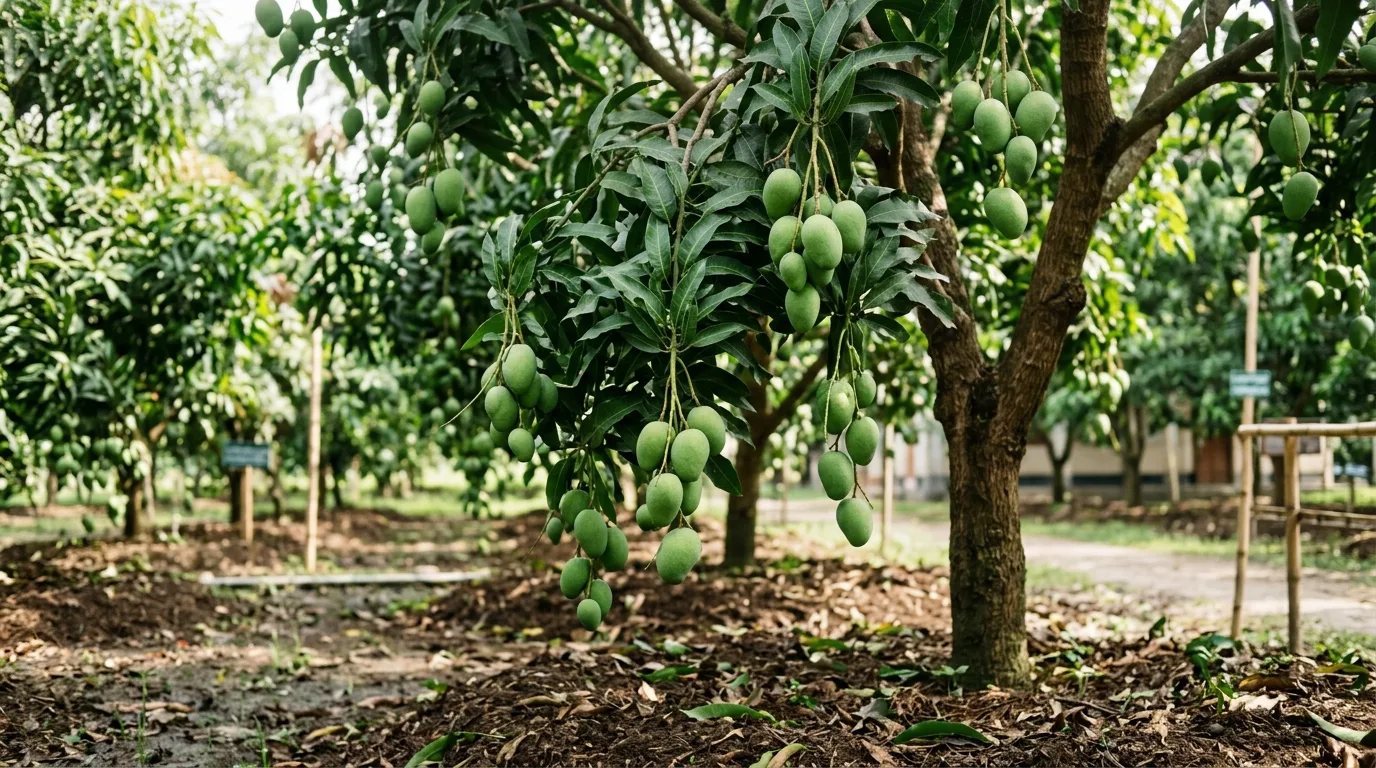
Over in Binodpur, the Fruit Research Station under the Bangladesh Agricultural Research Institute (BARI) works directly with local fruit growers. Researchers test safe harvesting schedules, pest management, and flowering behaviour on commercial crops. Among their most practical contributions is standardizing hot water treatment (HWT)—soaking mangoes at 52–55°C for 5–10 minutes—which stops anthracnose decay naturally without chemical dips.
Notable Educational Institutions in Rajshahi at a Glance
The following summary highlights key details for notable schools, colleges, and research institutions across the district:
| Institution | Category | Established | Academic Distinction |
|---|---|---|---|
| Rajshahi Collegiate School | Secondary School | 1828 | Oldest functioning school in Bangladesh [1, 4] |
| Rajshahi College | Undergraduate & Master's | 1873 | Third-oldest college in Bangladesh; prominent heritage campus [1, 5] |
| University of Rajshahi (RU) | Public University | 1953 | Second-oldest public university in Bangladesh[1] |
| RUET | Engineering University | Specialized | Premier public engineering and technological academy[1] |
| Rajshahi Medical University | Medical University | Specialized | Central clinical education and research affiliate[1] |
| Fruit Research Station (BARI) | Agricultural Research | Specialized | Applied research in regional pomology and horticulture |
Practical Tips for Campus Visitors and Travellers
Walking through Rajshahi’s campus areas is quiet and pleasant. The bigger institutions, like Rajshahi College and the University of Rajshahi, have open grounds where visitors are welcome to stroll under the trees [1, 5].
When planning a campus walk, keep these practical points in mind:
- Visiting Hours: Early morning and late afternoon are the best times to walk Paris Road, when vehicle traffic is light and the heat lets up.
- Administrative Access: Campus pathways are generally open to walkers, but stepping inside heritage halls, libraries, and science labs requires permission from staff.
- Local Etiquette: Dress modestly, keep noise down near classrooms, and carry water with you, since canteen and stall hours can be unpredictable during exam periods and holidays.
- Verifying Timetables: Academic terms and office hours change around public holidays and exam sessions. Check locally before heading over for a visit.
Discovering Rajshahi's Natural Heritage
Student life in Rajshahi has always moved alongside the farming calendar of the surrounding plains. While university labs run soil and plant trials, orchard growers right outside the campus gates have spent lifetimes caring for the region's fruit trees [2, 3].
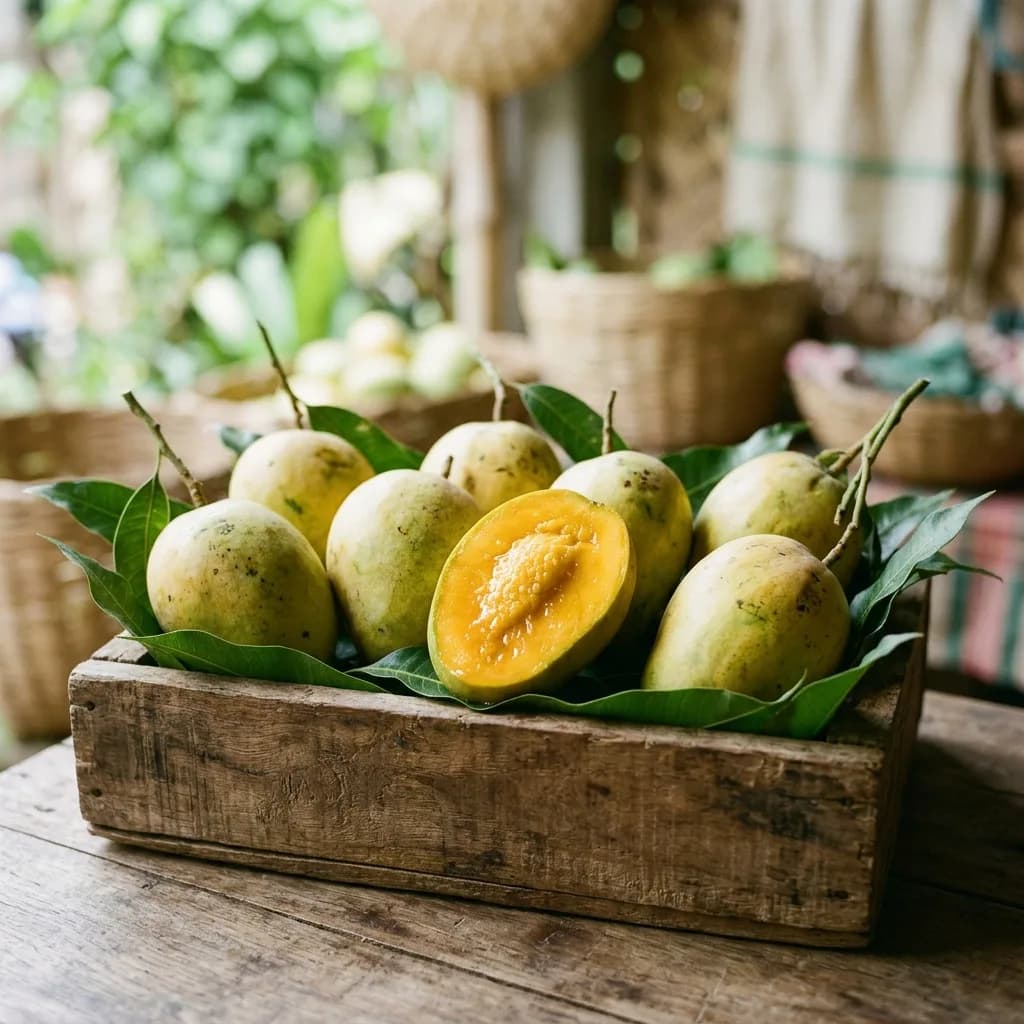
At Rajshahir Mango, we cultivate regional pride in every crate we pack. Managing our own orchards in Rajshahi since 2013, we harvest mature, formalin-free fruit using safe post-harvest techniques aligned with established agricultural standards. During the regional harvest season from May through August, you can explore fresh authentic Rajshahi mangoes—including delicious varieties like fresh Himsagar, Gopalbhog, and Langra—delivered across Bangladesh in secure 12 kg and 24 kg crates.