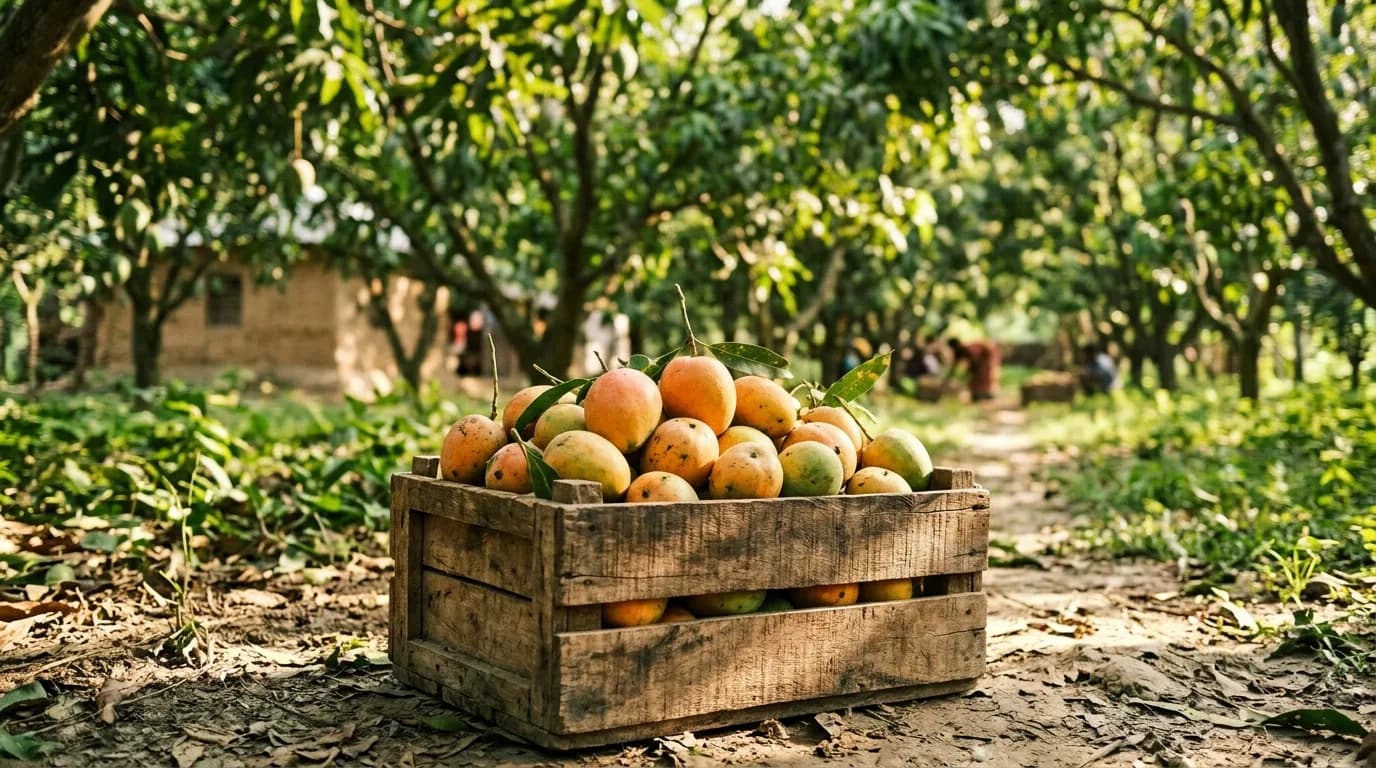
Every summer across Bangladesh, fruit lovers share the same worry: finding a genuinely chemical-free mango. Bright yellow fruit floods local bazaars by mid-May, but telling naturally matured batches from forced ones takes a trained eye and an understanding of how an orchard works.
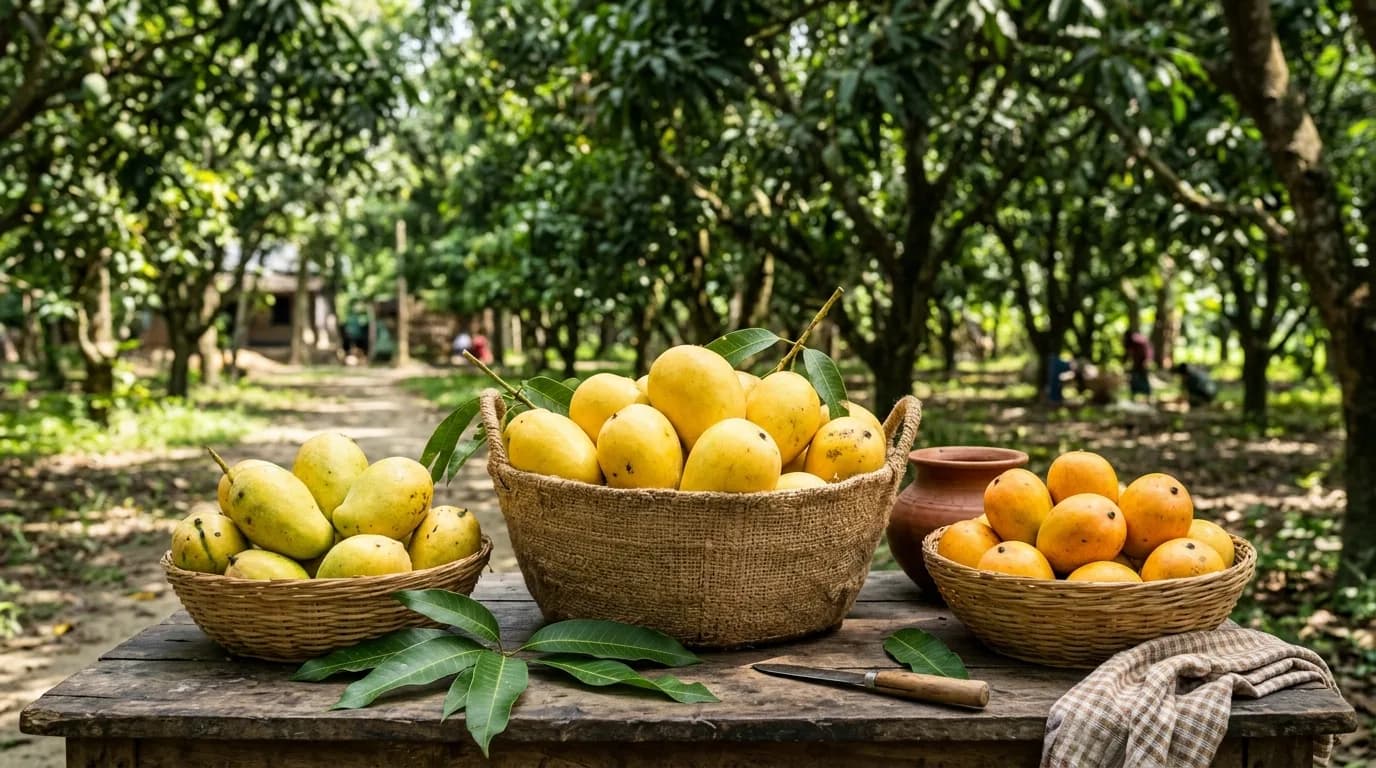
At Rajshahir Mango, we've cared for our orchards in Rajshahi since 2013. We watch each variety grow right on the branch, from marble-sized buds to heavy, full maturity. Artificial ripening is an old shortcut used by traders chasing early-season prices, but nature leaves clear signs that chemicals simply can't copy.
The Science Behind Calcium Carbide and Why It Harms You
To spot bad fruit, it helps to know how artificial ripening actually works. Middlemen often pick unripe mangoes too early and pack them with industrial calcium carbide (CaC2). Once that carbide touches moisture in the air or the fruit itself, it releases acetylene gas (C2H2)[5]. Acetylene mimics ethylene, the natural plant hormone that tells a mango to soften and turn sweet.
Natural ethylene is harmless and comes directly from the fruit. Industrial calcium carbide is a different story. It carries toxic impurities, particularly arsenic and phosphorus hydride, better known as phosphine[5].
Eating carbide-ripened fruit can make you sick fast: mouth sores, an upset stomach, pounding headaches, dizziness, and nausea are common[5]. Longer exposure brings serious neurological risks and potential cancer hazards. Because the chemical poses such real danger, the Bangladesh Food Safety Act, 2013 strictly bans calcium carbide for ripening food[5].
Sensory Guide: How to Spot a Chemical Free Mango
You don't need a lab test to protect your family. Checking a few everyday details—smell, skin color, how the fruit yields to your touch, and flavor—is usually all it takes.
The Aroma at the Stem
A genuine chemical-free mango announces itself through smell. Pick it up and sniff right near the stem. A tree-ripened fruit gives off an unmistakable, sweet, floral scent[6]. Set a crate of naturally ripened mangoes in a room, and the whole space will smell like summer within hours.
Carbide-treated mangoes rarely smell that way[6]. Most have no scent at all, or they give off a faint whiff of kerosene, sulfur, or crushed garlic from phosphine residue[5]. If a bright yellow mango smells dead or faintly chemical, put it back down.
Skin Color and Natural Imperfections
Traders know buyers shop with their eyes. Calcium carbide strips the chlorophyll off the peel quickly, leaving a bright, uniform yellow that looks almost neon[6].
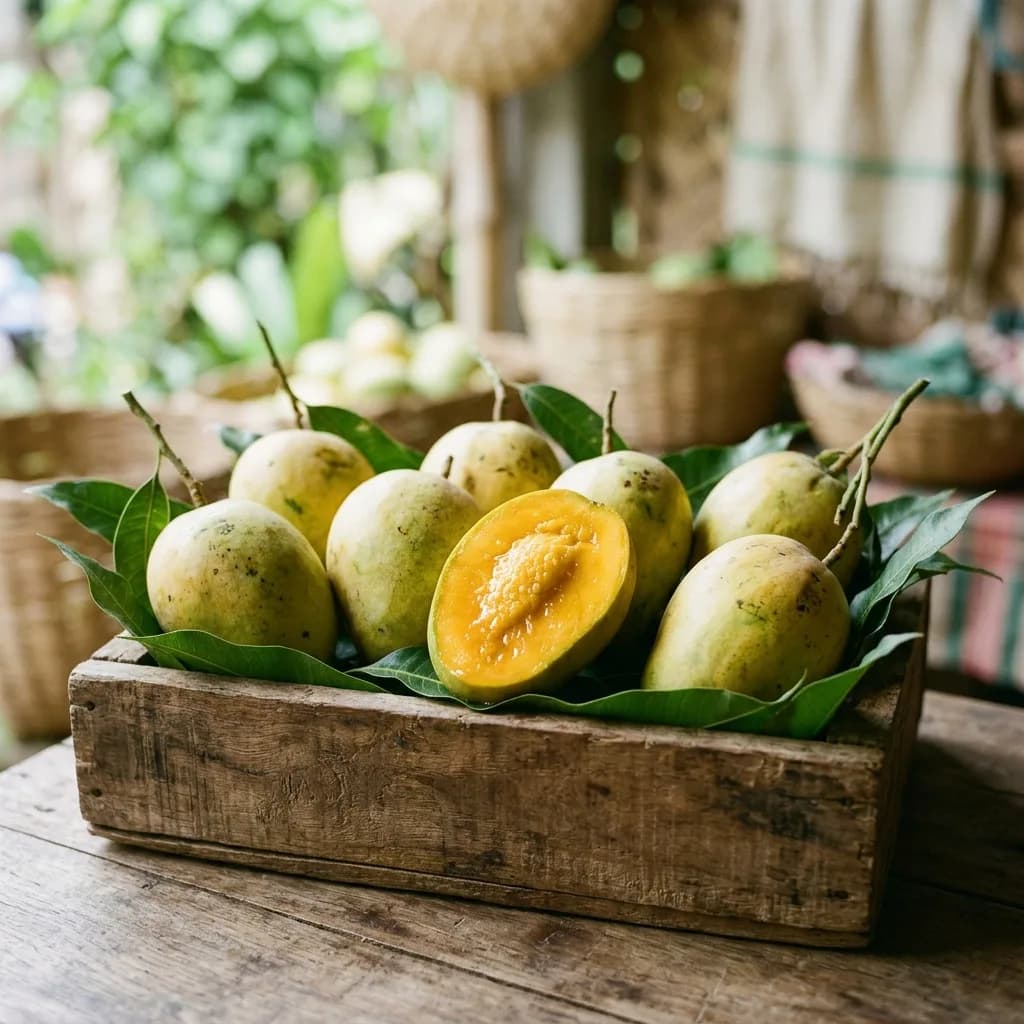
Nature doesn't work that evenly. A tree-ripened mango shows gradual shades, often holding onto small green patches, freckles, or a reddish blush depending on the variety. Take our Langra Mango: its peel stays mostly green even when the pulp inside is meltingly soft and deeply fragrant. Carbide-treated fruit also tends to break out in dark, bruised-looking blotches within a day of hitting open air.
Pulp Uniformity and Texture
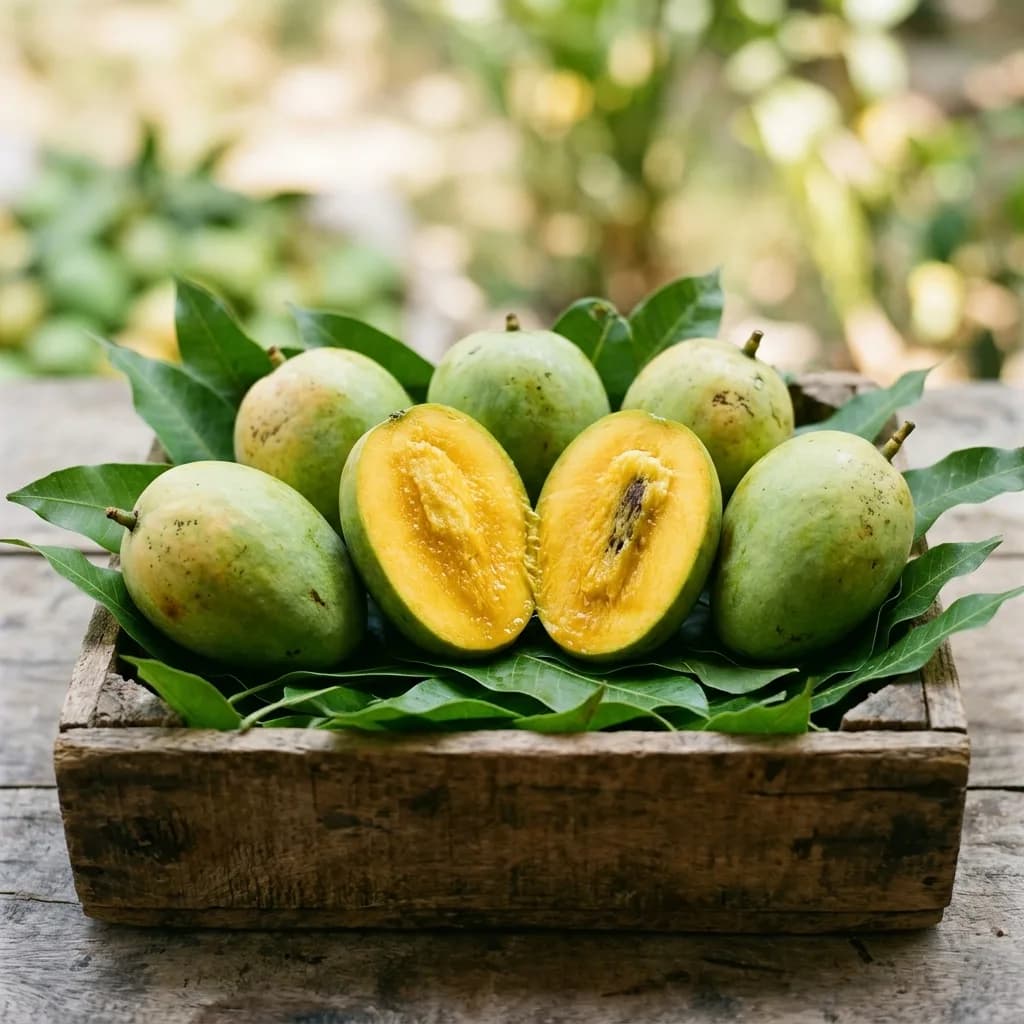
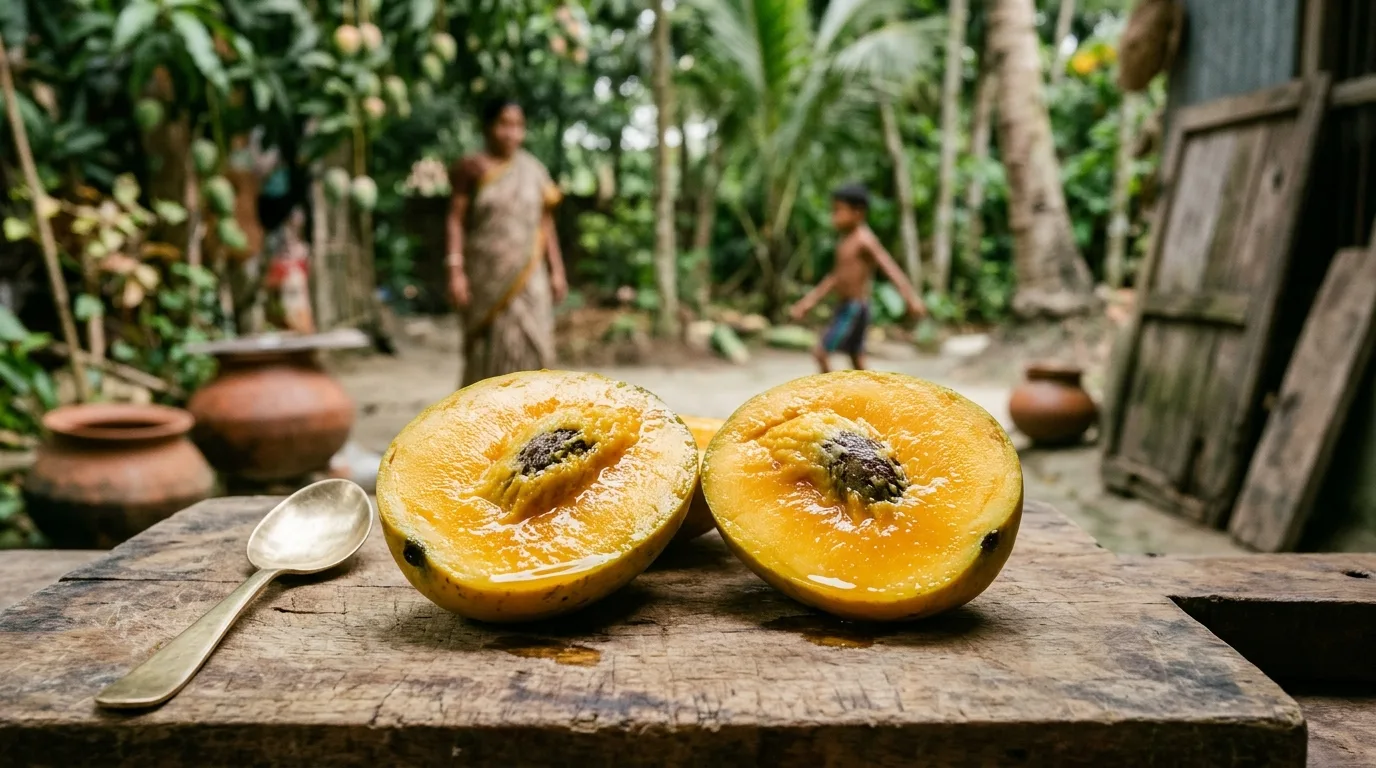
Press the mango gently with your thumb. If it ripened on its own, it gives a little all over, feeling supple without turning mushy or hollow. Slice it open, and the pulp should show an even golden or orange shade from just under the skin straight to the seed.
Carbide-ripened fruit looks different inside. Because the gas turns the skin yellow before the starches inside have broken down into sugars, ripening is uneven[6]. The outside might feel soft under your fingers, but the flesh hugging the stone is often pale, hard, or distinctly whitish.
The Taste and Aftertaste Test
Take a bite of an authentic, tree-ripened mango and you get rich sweetness balanced by slight acidity and lots of juice. Carbide-ripened fruit tastes surprisingly flat or watery[6]. The aftertaste gives it away, too: chemical-treated fruit often leaves a prickly, sharp, or slightly burning feeling at the back of your mouth and throat.
Chemical-Free Mango vs. Carbide-Ripened Mango
Here is a quick look at how the two compare side by side:
| Quality Indicator | Naturally Ripened Mango | Carbide-Treated Mango |
|---|---|---|
| Stem Aroma | Rich, floral, distinctly sweet fragrance[6] | Odorless or faint kerosene/garlic smell[5] |
| Skin Appearance | Gradual color transitions; natural green specks | Uniform unnatural yellow; rapid black spotting[6] |
| Pulp Texture | Even softness and color from skin to seed | Squishy exterior with hard, pale inner flesh |
| Flavor Profile | Complex sweetness with balanced acidity | Flat, insipid sweetness; burning aftertaste |
| Shelf Stability | Matures steadily over 4 to 6 days at ambient room temperature | Rots rapidly from within after 24 to 48 hours |
Why the Harvest Calendar Is Your Best Protection
The simplest way to steer clear of treated fruit is to follow the calendar. In mango hubs like Rajshahi and Chapainawabganj, the local administration releases an official harvest timeline each year to stop premature picking and illegal chemical treatments[1][4].
If you spot a commercial variety in city markets a week or two before its official date, chances are high it was plucked raw and forced[4]. Keep this typical harvest order in mind as the season moves along:
- Mid to Late May: Local Guti mangoes start off the harvest around May 15[3][4]. Authentic Gopalbhog Mango matures between May 20 and 22, followed by Ranipasand and Lakshmanbhog around May 25, and Himsagar Mango toward the end of May[1][3].
- June: The next run brings Langra and Banana mango around June 10, with Amrapali and Fazli joining the harvest around June 15[1][3].
- July Onward: Late-season varieties like BARI Aam-4 (July 5), Ashwina (July 10), and sweet Gourmati (July 15) wrap up the season[1].
Patience pays off here. Waiting for the proper picking dates gives you genuine sweetness, full nutrition, and complete peace of mind.
Debunking Myths: The Bucket Test and Surface Washing
You've probably seen the viral tip suggesting that dropping a mango into a bucket of water proves whether it has chemicals. The claim says natural fruit sinks and carbide fruit floats. That's simply not true. Whether a mango sinks or floats comes down to fruit density, maturity, and small air pockets around the seed. A perfectly clean, tree-matured mango can float if its density is slightly lower, so this bucket test tells you nothing reliable about safety.
Another belief is that a good wash rinses carbide away. Scrubbing under clean tap water washes away dust and field grime, but it doesn't solve the chemical problem. Acetylene gas and airborne hydride impurities soak right through the mango's porous skin and enter the flesh[5]. You can't fix treated fruit at the kitchen sink; safety has to start right in the orchard.
How to Ripen Mature Green Mangoes at Home
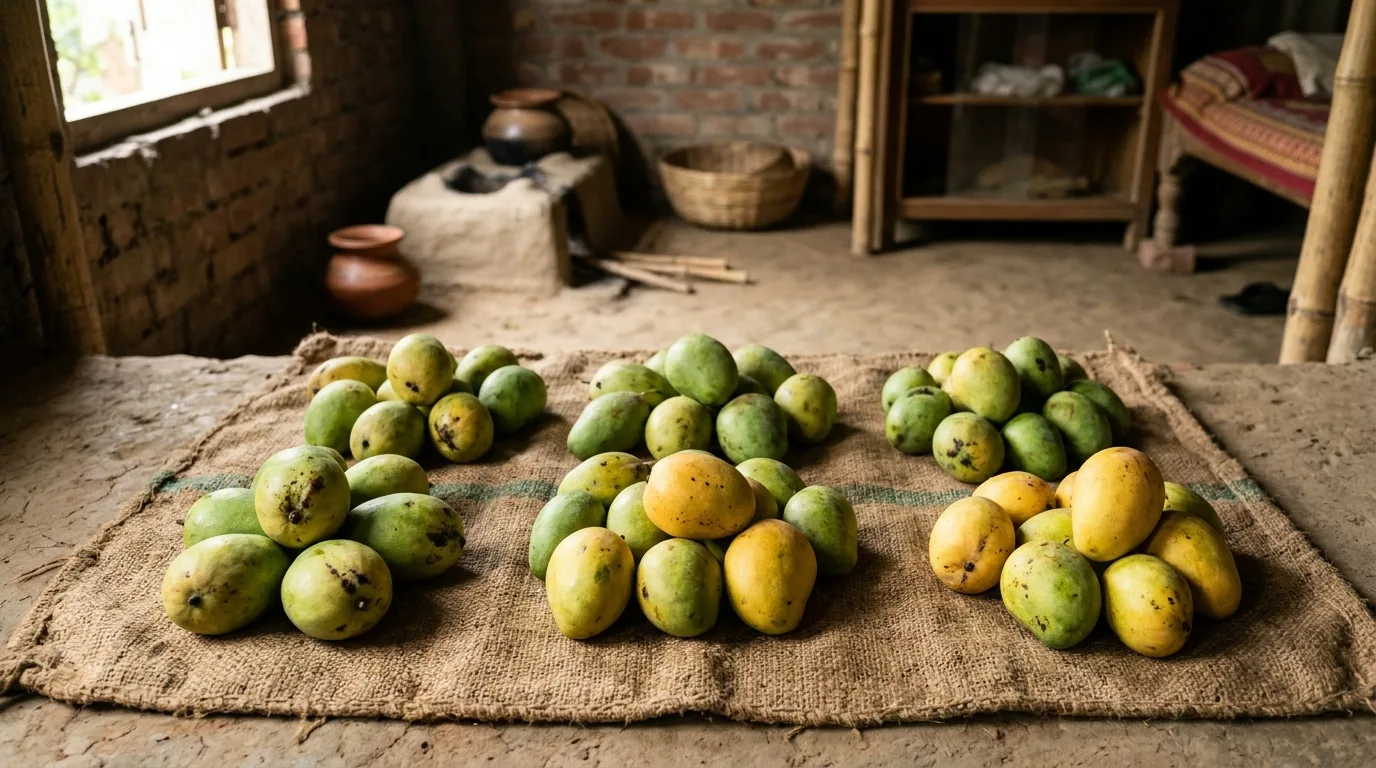
If you get mature green mangoes straight from an orchard, give them time. Keep them at room temperature, ideally between 20°C and 25°C. Tuck them into clean jute sacks, wrap them loosely in plain newspaper, or lay them on dry straw. This traditional method traps the natural ethylene the fruit breathes out, letting it ripen evenly and build proper flavor.
Once they're ripe, move them to the fridge between 10°C and 12°C to keep them fresh longer. Avoid temperatures under 10°C, though. Cold injury dulls the skin to a greyish tone and ruins the sugars and taste.
Savor True Orchard Freshness with Rajshahir Mango
Summer in Bangladesh should be about enjoying good fruit, not guessing what got sprayed on it. For over a decade, we've run our Rajshahi orchards with a straightforward rule: pick only when mature, let the fruit ripen naturally, and send it straight to your door.
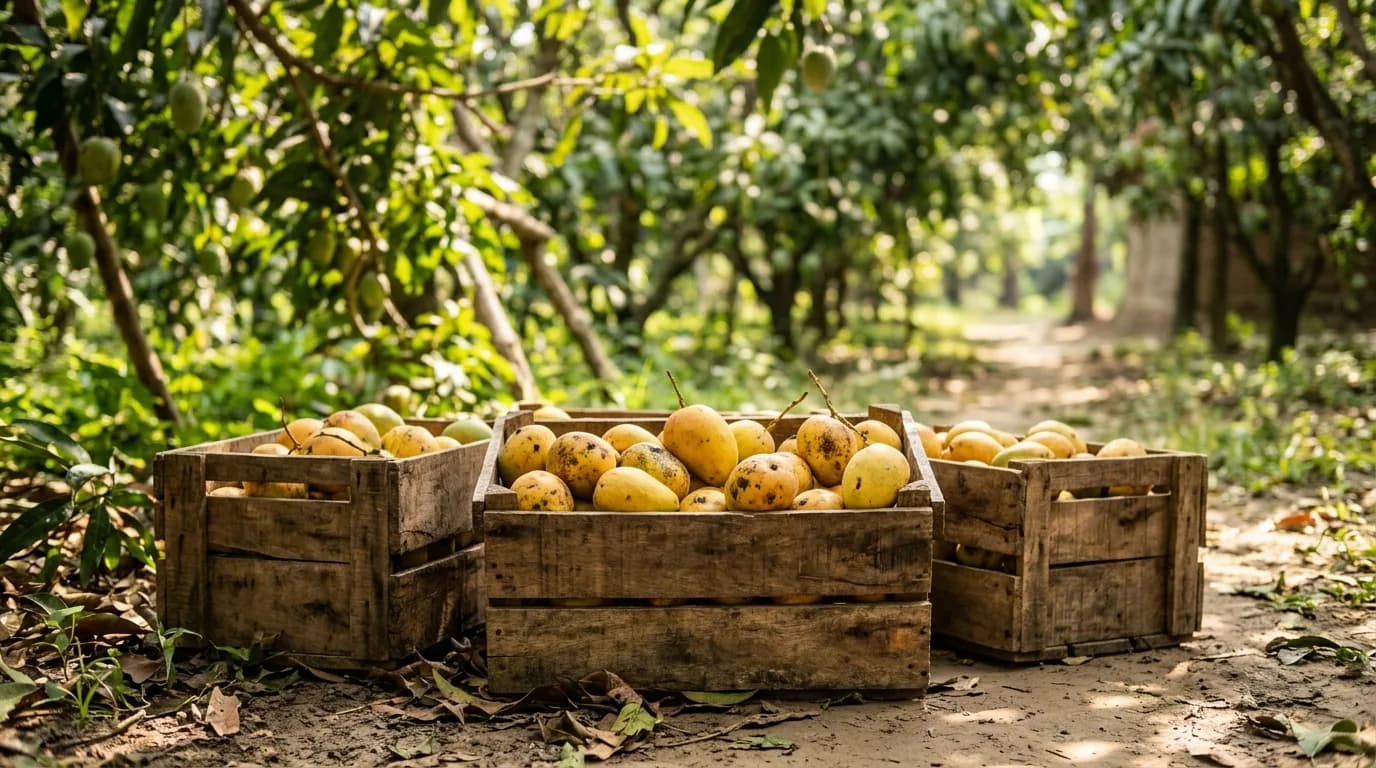
We pack hand-graded, formalin-free mangoes into sturdy 12 kg and 24 kg crates and courier them across Bangladesh. You can pay through bKash, Nagad, bank card, or cash on delivery, and you'll get the honest sweetness Rajshahi mangoes are famous for. Browse what's in season in our mango category or read more about our growing methods on our about page.