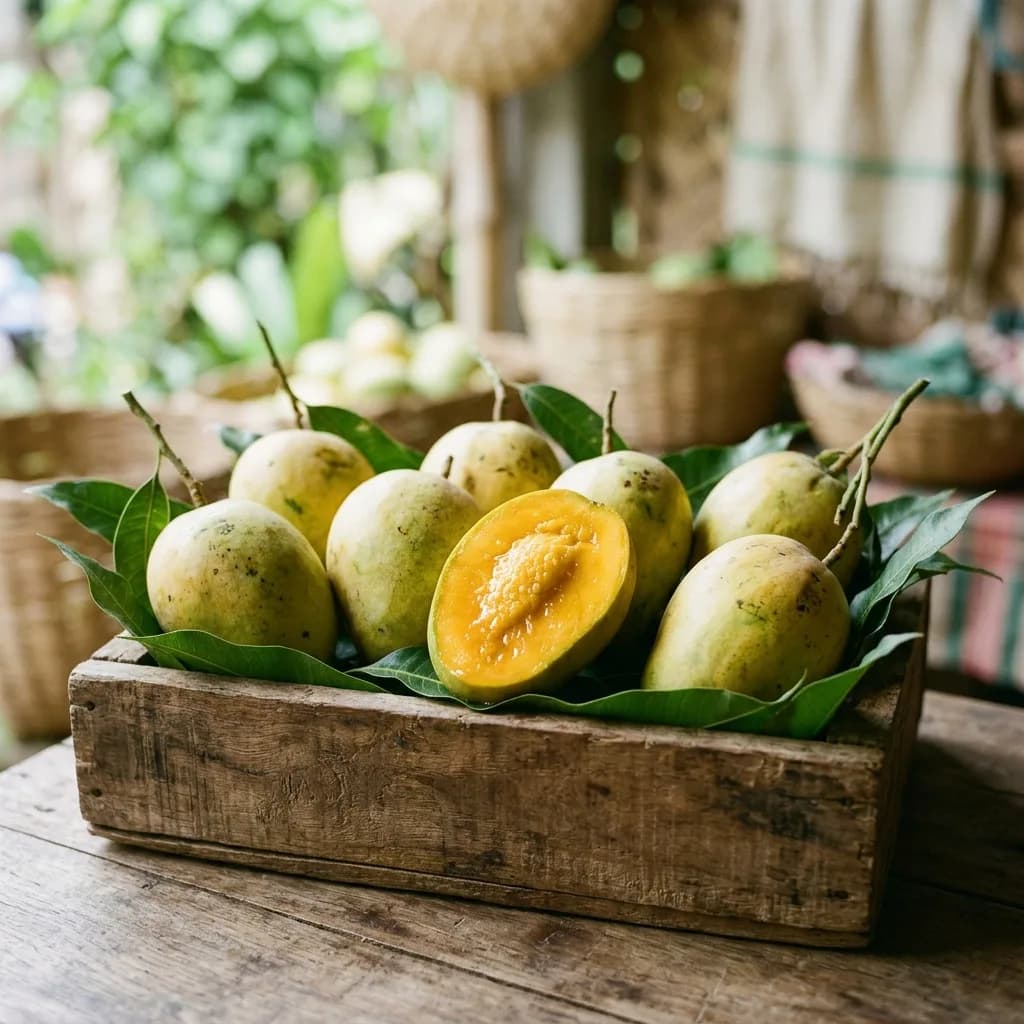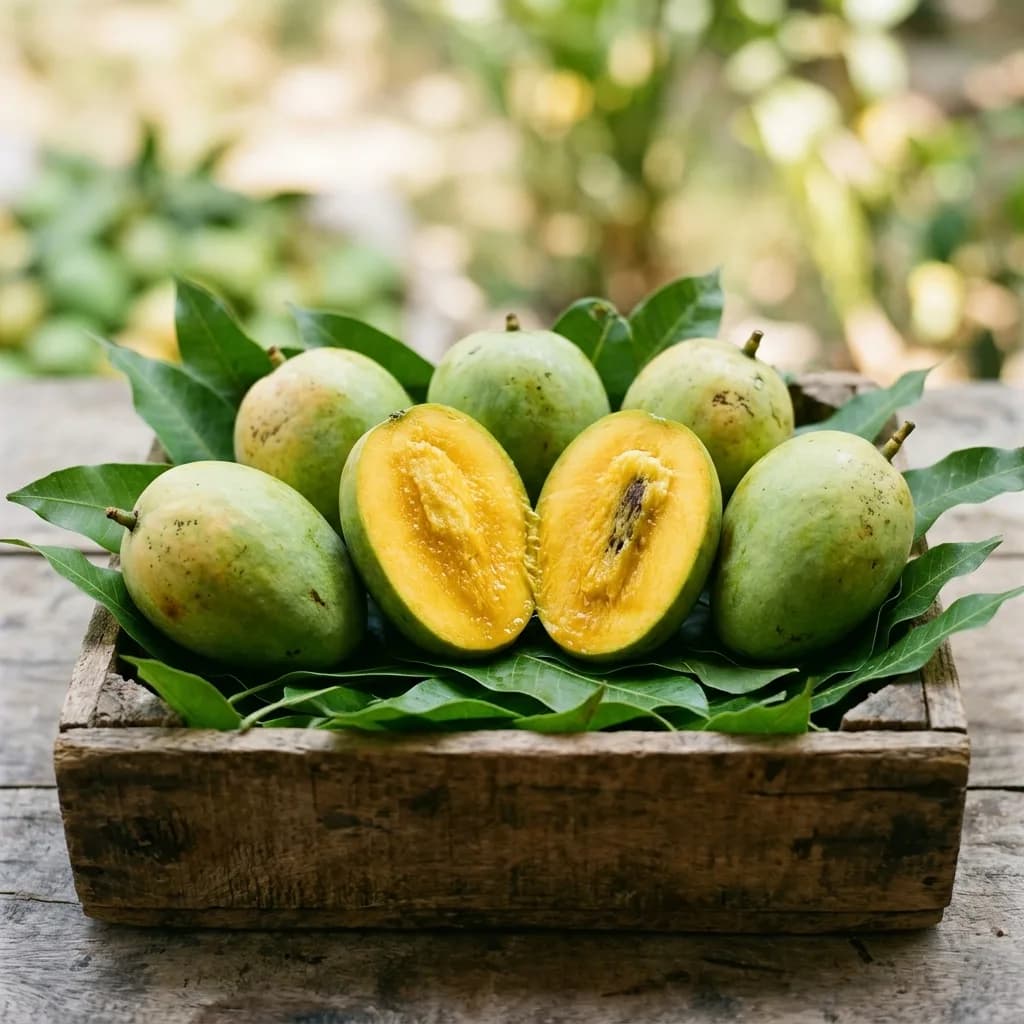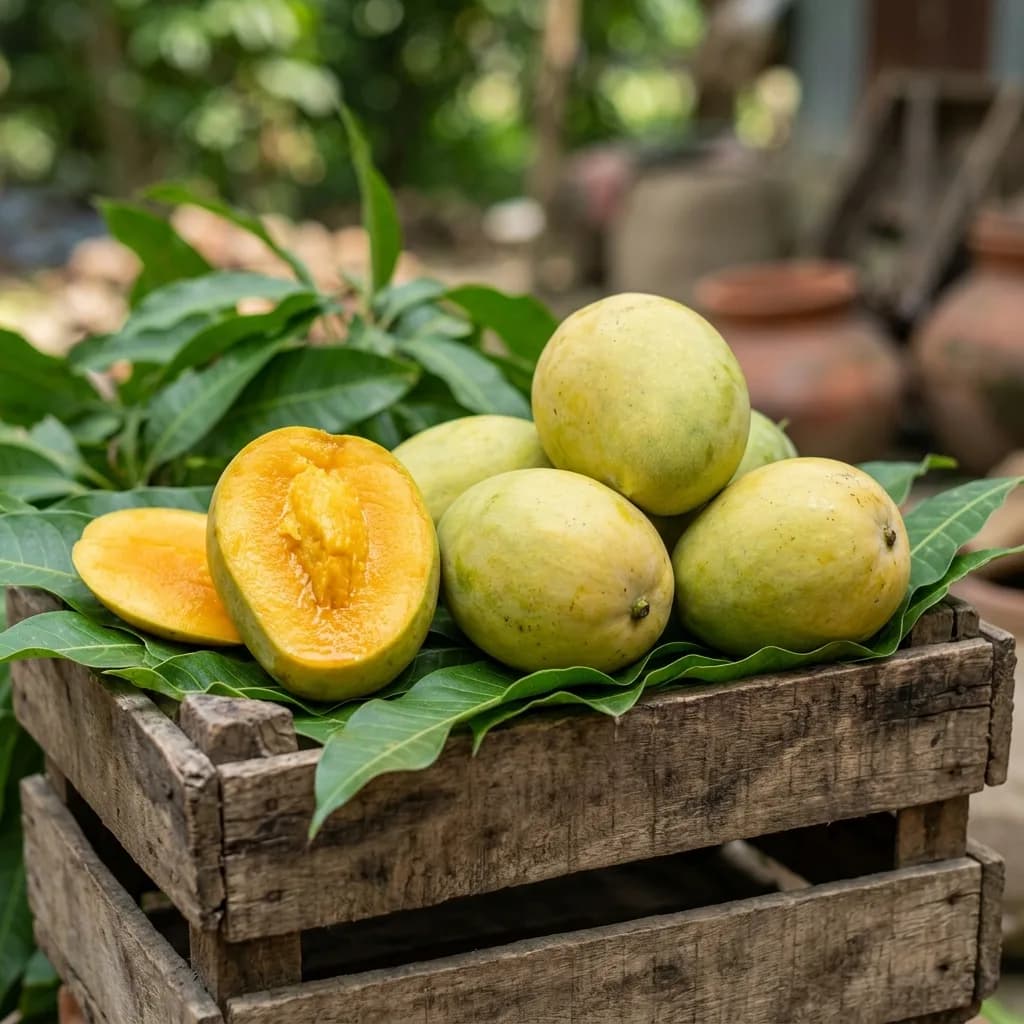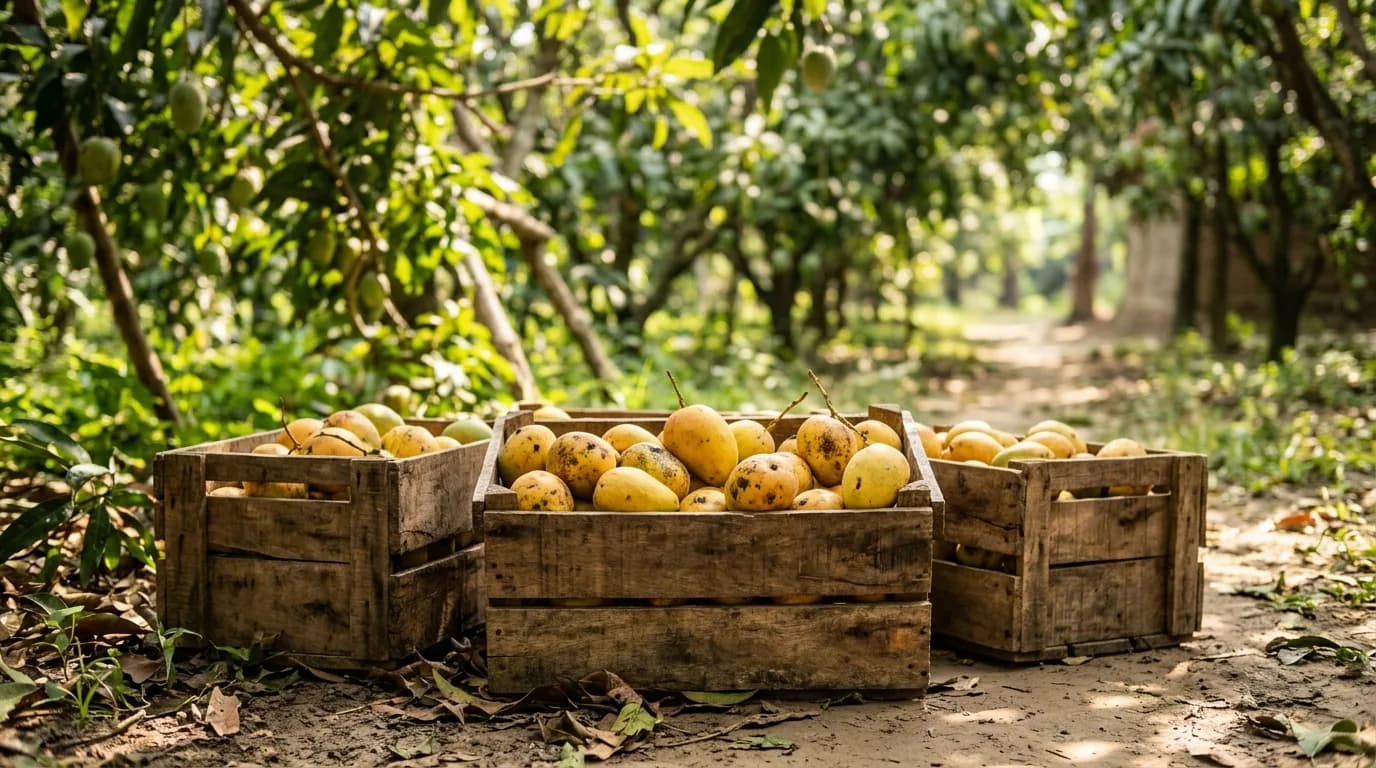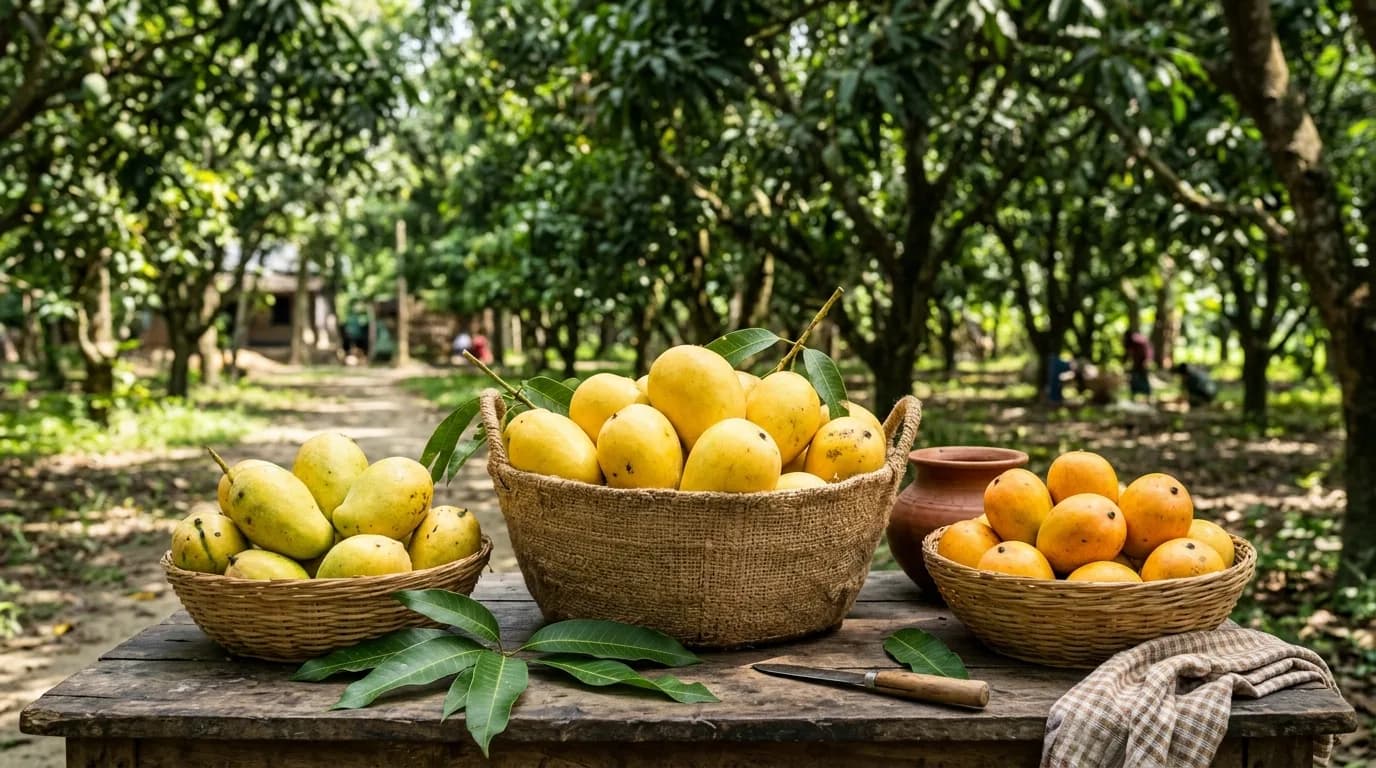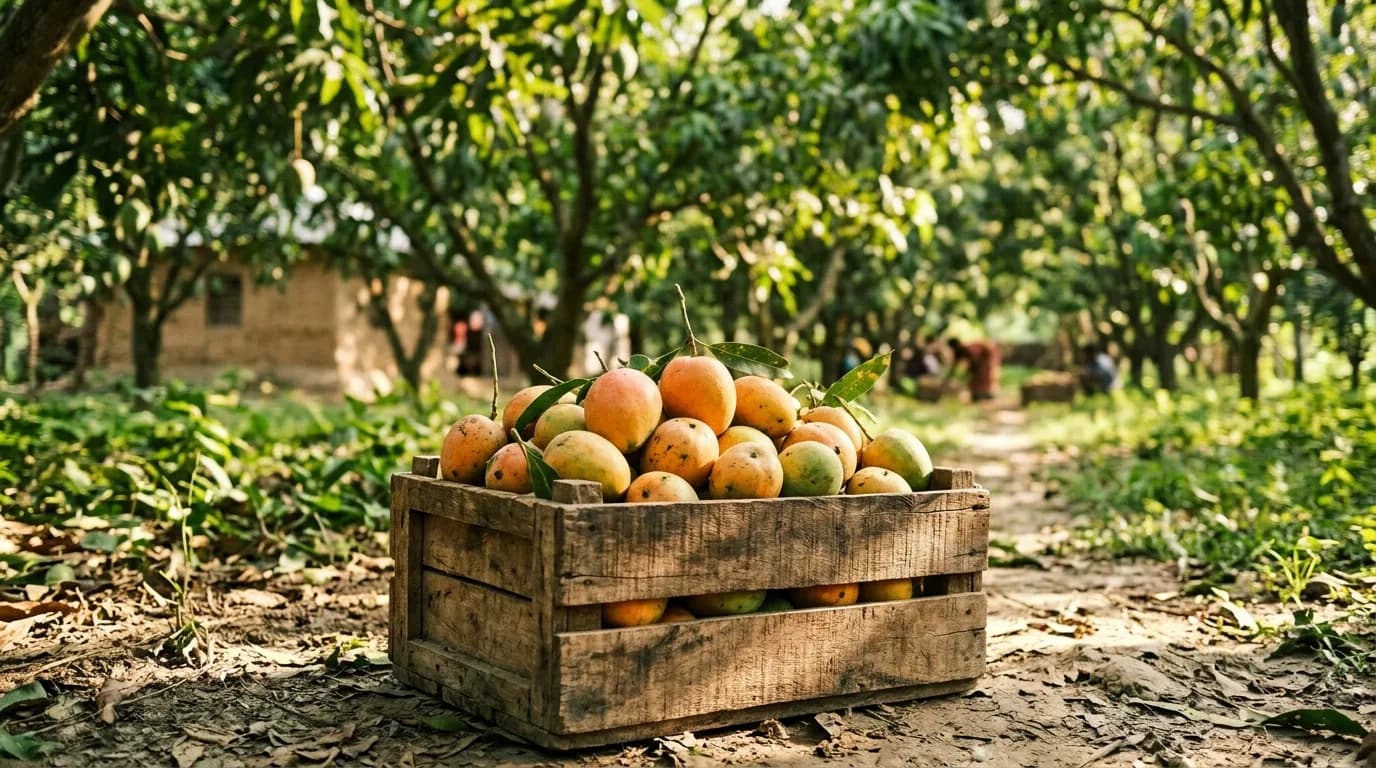

When a fresh crate arrives from an orchard, knowing how to store mangoes makes all the difference between sweet, fragrant slices and sour, fermented mush. Mangoes keep breathing and ripening after they are picked, and small mistakes with heat or moisture can ruin an entire box before you get to taste it.
At Rajshahir Mango, we have harvested and packed fruit from our family orchards in Rajshahi since 2013. We ship 12 kg and 24 kg crates across Bangladesh every summer, and customers often ask us what to do when their fruit arrives firm and green. You do not need fancy equipment to ripen mangoes properly at home, but you do need to manage room temperature, ethylene gas, and humidity.
The Science of Mango Ripening: Why Temperature Is Critical
Mangoes are climacteric fruits. Once picked, they give off ethylene gas, which triggers their own internal ripening[6]. As that happens, starches turn to sugar, acids drop, and the fruit's characteristic aroma builds up. But this shift only works well within a narrow temperature band[6].
Keep your mangoes between 20°C and 24°C (68°F to 75°F) for steady ripening[6]. An air-conditioned room or a cooler spell during the monsoon provides just about the right conditions. The fruit softens evenly from the stone outwards, settling into a clean, balanced sweetness.
Bangladeshi summer kitchens regularly run hotter than 30°C to 32°C, and that kind of heat spells trouble for unripened fruit[6]. High temperatures cook the flesh prematurely, leaving patchy skin, an unpleasant fermented tang, and broken-down, watery tissue[6]. Find the coolest, well-shaded spot in the house, well clear of the stove, the back of the fridge, and sunny windows.
Shoving hard, raw mangoes straight into the fridge is just as bad. Below 12°C to 13°C (54°F to 55°F), immature fruit suffers chilling injury[6]. The cold shuts down ethylene production entirely[6]. The skin turns dull, greyish, and pitted, the flesh stays stubbornly hard, and the fruit never develops its true aroma.
How to Store Mangoes for Uniform Ripening: Step-by-Step
To help raw or semi-ripe fruit soften evenly without bruising or rotting, follow this simple routine from the orchard.
1. Unbox and Inspect Promptly
Do not leave the fruit sitting in a taped shipping carton for days. Open the box as soon as it arrives. Sort through the mangoes and pull out any that bruised or cracked on the road. Leaking juice quickly draws fruit flies and spreads rot to the sound mangoes beside them.
2. Lay Out in a Single Layer
Spread the mangoes out in a single layer on something breathable: brown wrapping paper, old newspapers, clean cotton cloths, or slotted plastic crates. Set them stem-side down or rest them gently on their sides.
Avoid piling mangoes on top of each other. Stacks trap the heat the fruit gives off as it breathes. That extra warmth leads to pressure bruises, quicker rot, and an uneven batch where the bottom layer goes mushy while the top stays hard.
3. Natural Ethylene Trapping
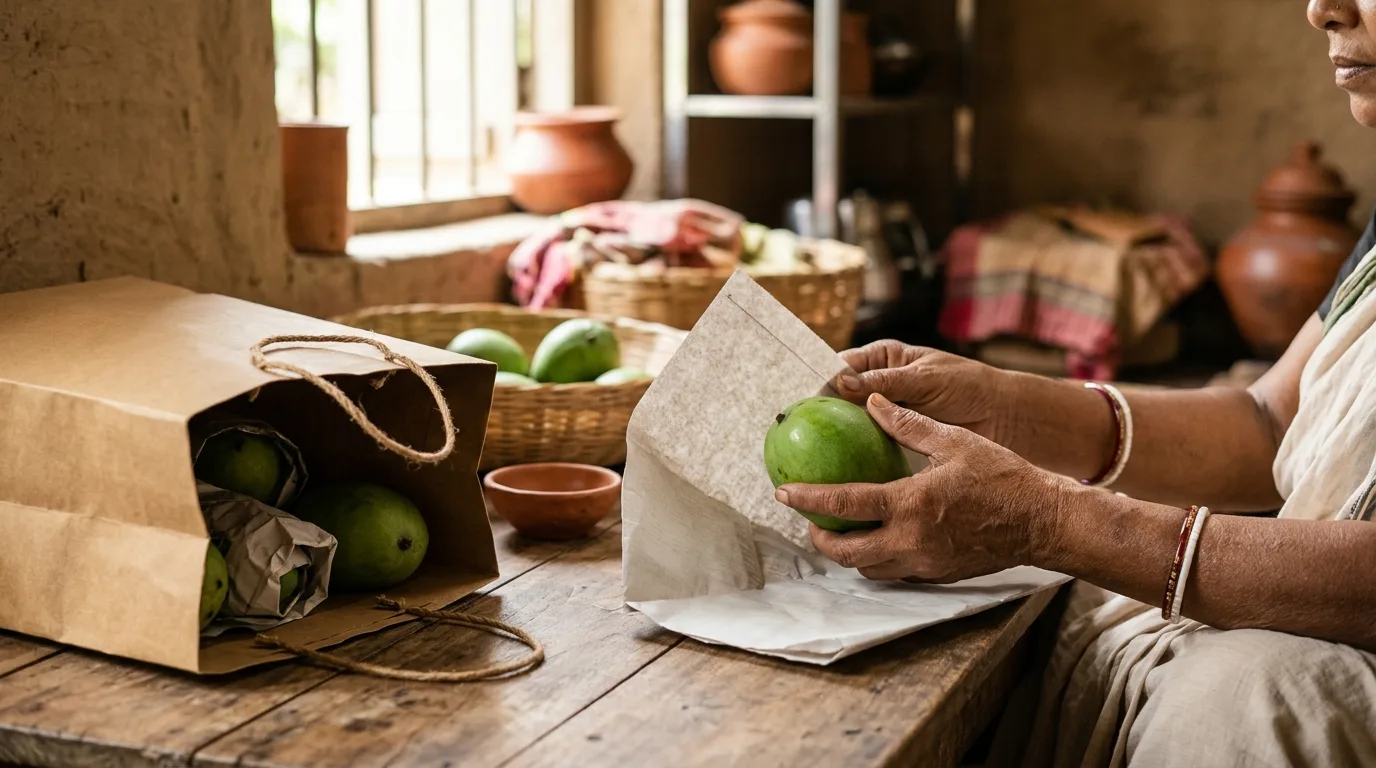
If you have firm mangoes you want to eat a bit sooner, wrap them loosely in newspaper or tuck a few into a brown paper grocery bag. The paper holds the fruit's natural ethylene gas close while letting air pass through, so condensation cannot build up.
To speed things up by another day, drop a ripe mango or a yellow banana into the bag with them. The extra ethylene from the ripe fruit coaxes the green ones along faster.
Recognizing True Ripeness Across Different Varieties
One common mistake is waiting for the skin to turn bright yellow. Several celebrated varieties of mango stay green right through to full table ripeness[6].
Both Langra Mango and late-season Fazli Mango, for example, keep their olive-green skin when ripe. If you wait for a green Langra to turn yellow, the pulp will ferment and turn to liquid inside. Rely on touch and smell instead:
- Firmness test: Press gently against the shoulder of the mango with your thumb pad. A ripe fruit yields slightly under light pressure, feeling supple rather than stone-hard.
- Stem fragrance: Smell the stem end where the fruit was cut from the branch. A tree-ripened mango carries a sweet, floral fragrance right at the base of the stem.
Checking the harvest dates set by the Department of Agricultural Extension (DAE) in Rajshahi will also tell you what stage of ripeness to expect from your order[1][2][3]:
| Variety Name | Harvest Window | Skin Color When Ripe | Ripening Speed |
|---|---|---|---|
| Gopalbhog | Late May[1][3] | Yellowish-orange | Fast (2–3 days) |
| Himsagar (Khirsapat) | Late May to June[3] | Pale yellow-green | Moderate (3–4 days) |
| Langra | Mid-June[1][2] | Olive green | Moderate (3–5 days) |
| Amrapali | Mid-June[1][2] | Deep yellow-orange | Moderate (3–4 days) |
| Fazli | Late June to July[1][3] | Light green to yellow | Slow (4–6 days) |
| Ashwina | Mid-July[1][5] | Greenish-yellow | Slow (5–7 days) |
Common Storage Mistakes That Cause Spoilage and Rot
Most mango spoilage at home comes down to two things: tight plastic bags and water left on the skin.
Sealed Plastic Bags
Never tie raw mangoes inside plastic shopping bags. Fresh fruit constantly releases water vapor. Trapped inside polythene, that moisture condenses against the skin and turns the bag into a humid greenhouse. That dampness wakes up fungal spores such as anthracnose (Colletotrichum gloeosporioides) and stem-end rot (Lasiodiplodia theobromae), leaving you with sunken black spots and sour pulp.
Washing Before Storage
Hold off on washing your mangoes the moment you unpack the crate. Water collects around the stem indentation and can start mold growing within a day. Store the fruit dry. Give them a good rinse under cold running water just before you peel and cut them.
Distinguishing Natural from Artificially Ripened Fruit
Under the Bangladesh Food Safety Act, ripening fruit with toxic chemicals like calcium carbide is strictly illegal. Carbide forces the skin to change color before the sugars have had time to develop. Artificially ripened mangoes often look uniformly yellow on the outside, but the flesh near the seed remains tough, sour, and scentless. Fruit ripened the natural way softens evenly throughout and carries an unmistakable, sweet aroma.
Refrigerating Ripe and Cut Fruit
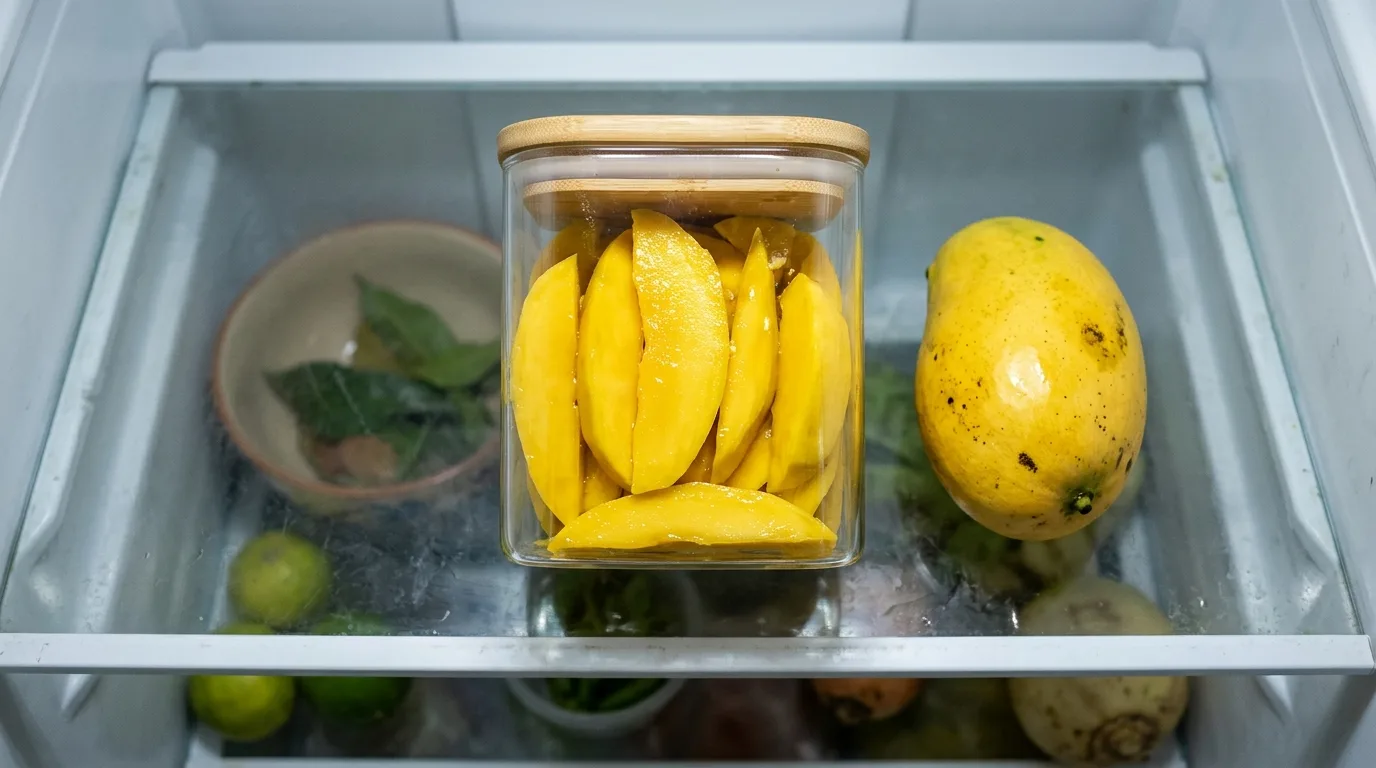
Once a mango reaches peak ripeness, take it off the counter. Move ripe fruit into the crisper drawer of your refrigerator, kept between 4°C and 10°C[6]. The chill slows the fruit's respiration right down, preserving its flavor and giving you another 5 to 7 days of eating time[6].
For cut or peeled fruit, use a clean, sealed glass container and keep it at 4°C or below[6]. A tight lid keeps bacteria out and stops the sweet flesh from taking on the smell of onions, fish, or curries stored in the fridge. For the best flavor and texture, eat sliced mango within 3 to 4 days[6].
Enjoy Tree-Ripened Rajshahi Mangoes Delivered to Your Door
Good storage lets you taste Rajshahi fruit at its very best. When mangoes are harvested at full maturity on the tree, getting them to ripen evenly at home is straightforward.
At Rajshahir Mango, we pick each variety strictly according to the district harvest schedule[1]. We pack chemical-free fruit into sturdy 12 kg and 24 kg wooden crates and deliver nationwide through reliable couriers. We take bKash, Nagad, bank cards, and cash on delivery. Take a look at our current harvest on our mango collection page or browse the rest of our regional pantry on our online shop for genuine Rajshahi produce this season.