
Every summer across Bengal, a good mango lassi recipe is the quickest relief from the afternoon heat. When fresh fruit arrives from northern orchards, blending that sweet pulp with cold dairy is easily the best way to enjoy the harvest[3]. Making these drinks or a frozen treat at home takes very little effort. What separates a flat, watery glass from something memorable comes down to how ripe the fruit is, the temperature of your milk, and a few basic habits at the counter.
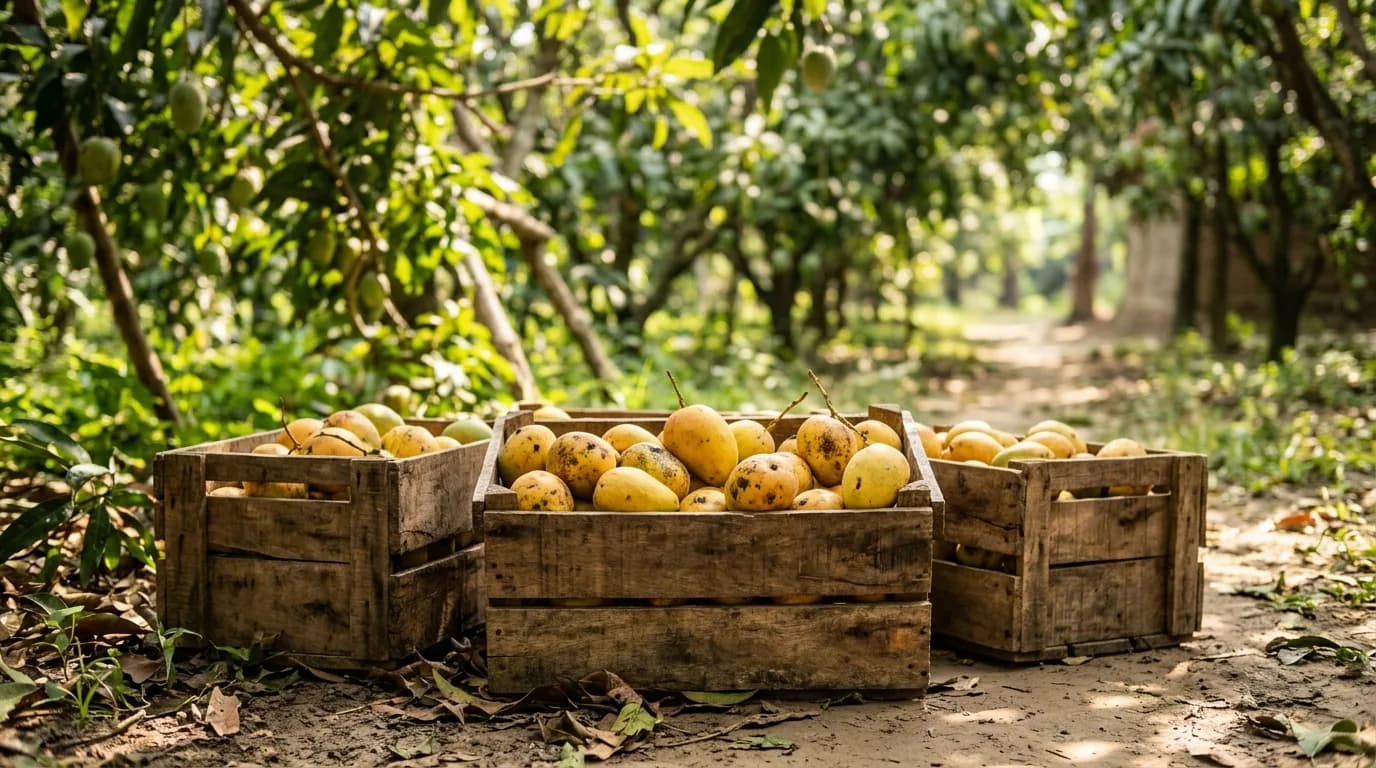
Our family orchards in Rajshahi have grown traditional varieties like Khirsapat, Langra, and Amrapali since 2013. When fruit ripens right on the tree, you rarely need white sugar at all. Below, we walk through our three regular summer kitchen staples: a classic lassi, an easy cold shake, and slow-simmered kulfi, along with the dairy science that keeps your milk from curdling.
The Secret to Pure Mango Drinks: Fruit Selection and Kitchen Chemistry
Working with fresh fruit and milk takes a little care with acidity. Plenty of people blend fresh mango with cold milk only to watch it break into watery curds. The reason is milk protein—casein. It stays smooth in neutral liquids, but once the acidity drops below a pH of 4.6, the proteins clump together and separate[4].
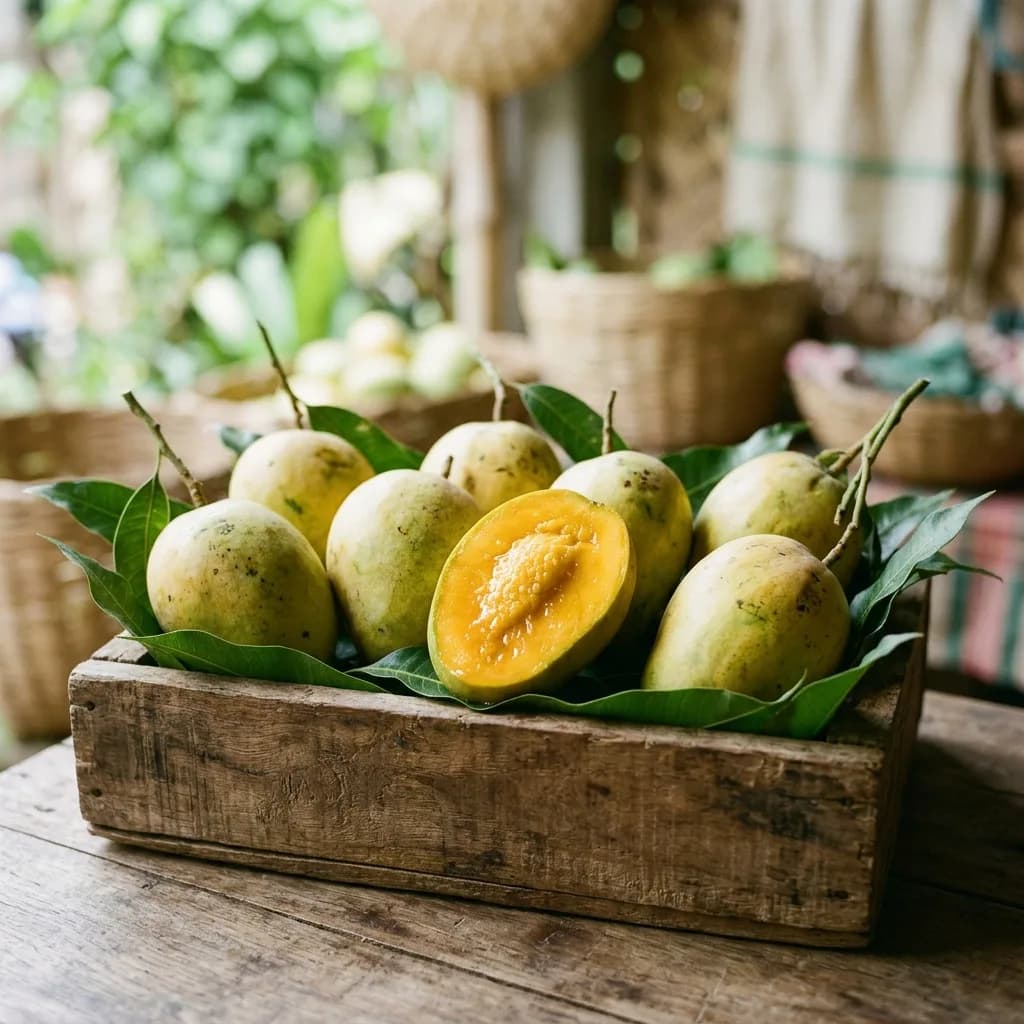
Semi-ripe mangoes sit at a sharper pH between 3.4 and 4.2. Put them in milk, whether cold or room temperature, and it will split almost right away. To keep your drink smooth, pick tree-ripened fruit whose acid has dropped to a milder pH between 4.5 and 5.2[5]. Varieties with smooth, low-fibre flesh like Himsagar mango (often called Khirsapat) measure between 19 and 22 degrees Brix on the sugar scale. That gives you rich, heavy sweetness without any added syrups or thickeners.
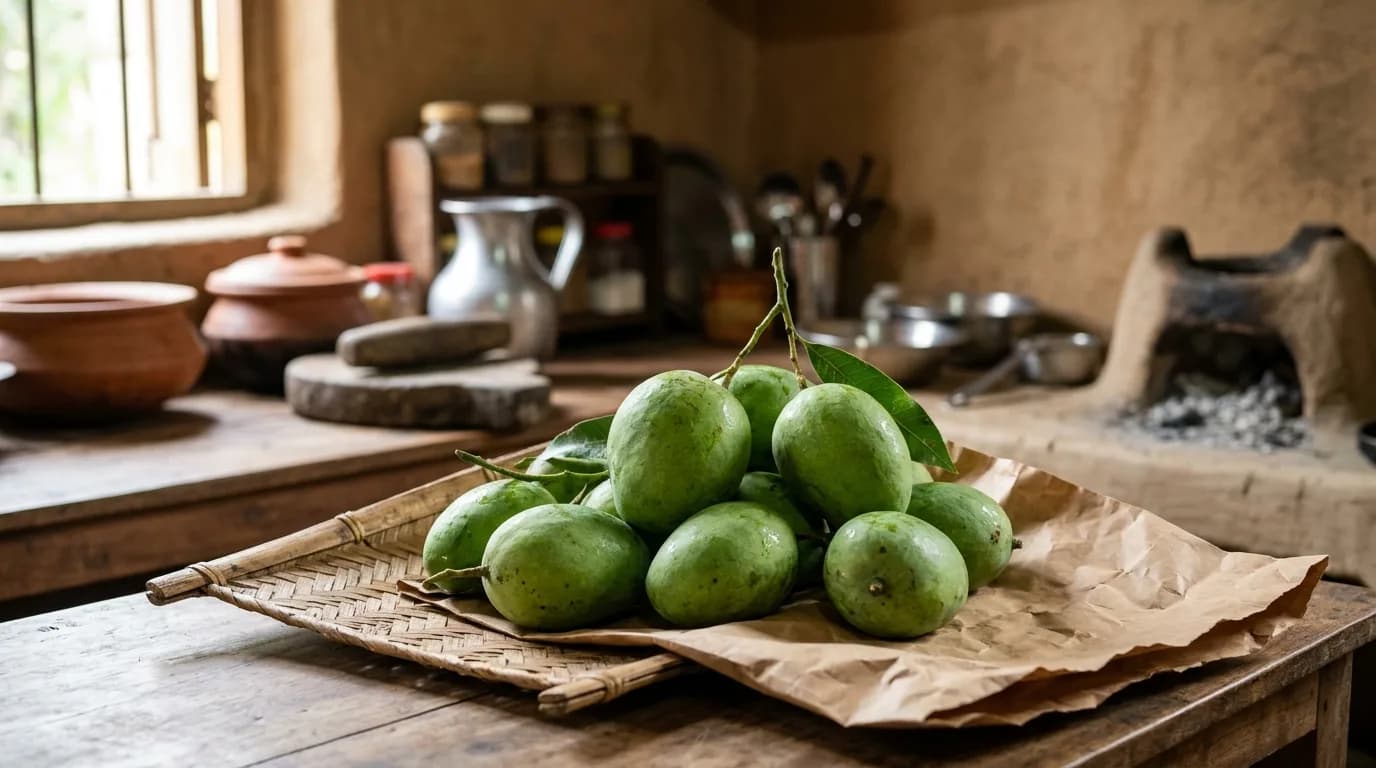
Handling the raw fruit properly matters just as much. Freshly picked mangoes carry a sticky sap near the stem containing resorcinols, which can burn your lips and irritate your skin[6]. Before peeling, wash the whole mango under running tap water, slice off the top 5 to 10 millimetres around the stem end, and dry it with a towel. Keep unripe fruit on the counter at room temperature. Never stick hard, green mangoes in the fridge below 10°C, because cold damage stops them from ripening and turns the inner flesh greyish-brown[4]. Only chill fruit once it yields softly under your thumb[5].
The Classic Mango Lassi Recipe: Creamy Curd and Ripe Fruit
A good Bengali lassi starts with proper whole-milk curd—either mishti doi or fresh, unflavoured tok doi—not tub yogurt bound with starches or gelatin. A reliable starting point is equal parts curd and fresh mango pulp (1:1 by volume). If you prefer a heavier, more tart glass, try 1.5 parts curd to 1 part pulp.
Ingredients
- 1 cup chilled ripe mango pulp (preferably Himsagar or Amrapali)
- 1 cup thick whole-milk curd (plain yogurt), well chilled
- 2 to 3 tablespoons cold water or crushed ice (optional, for consistency)
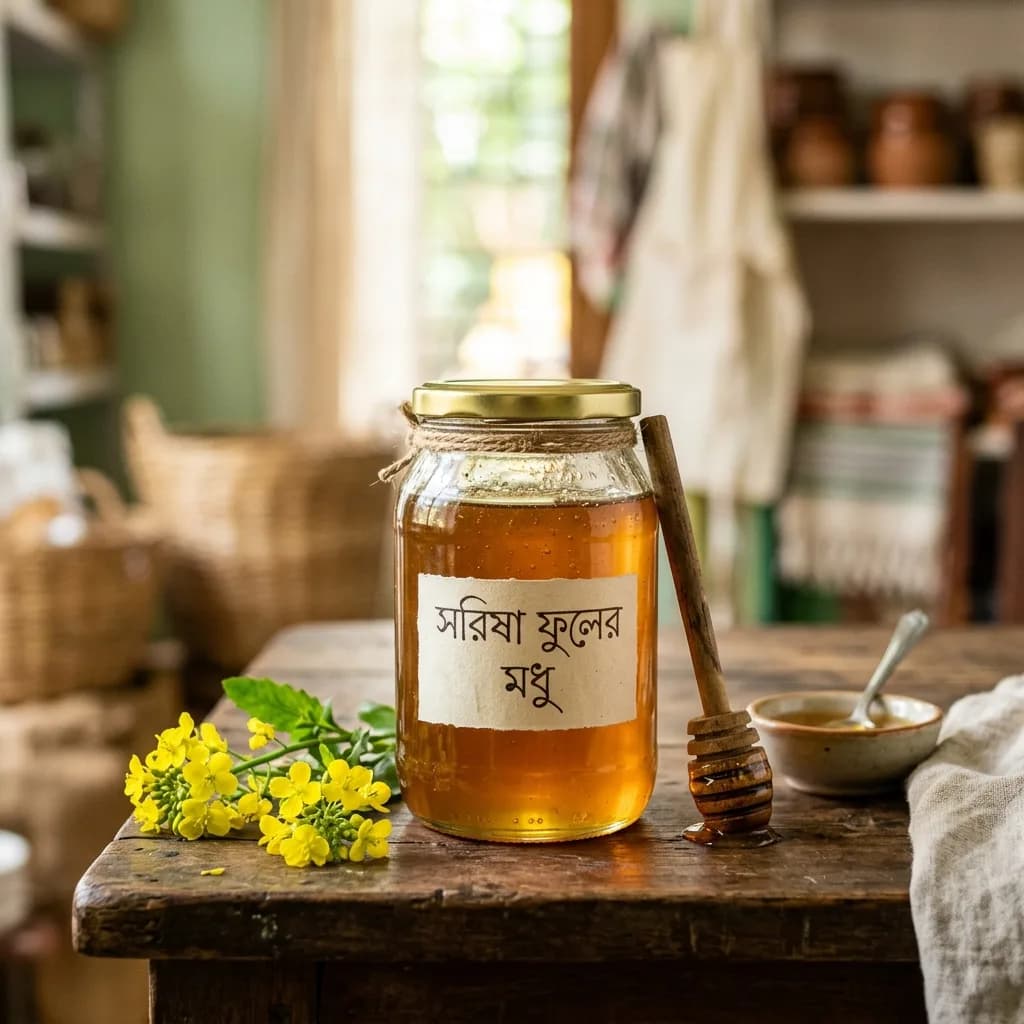
- 1 tablespoon pure honey, such as raw mustard flower honey (adjust to taste)
- 1/4 teaspoon freshly ground green cardamom powder
- A small pinch of rock salt (bit laban) to balance the sweetness
Step-by-Step Method
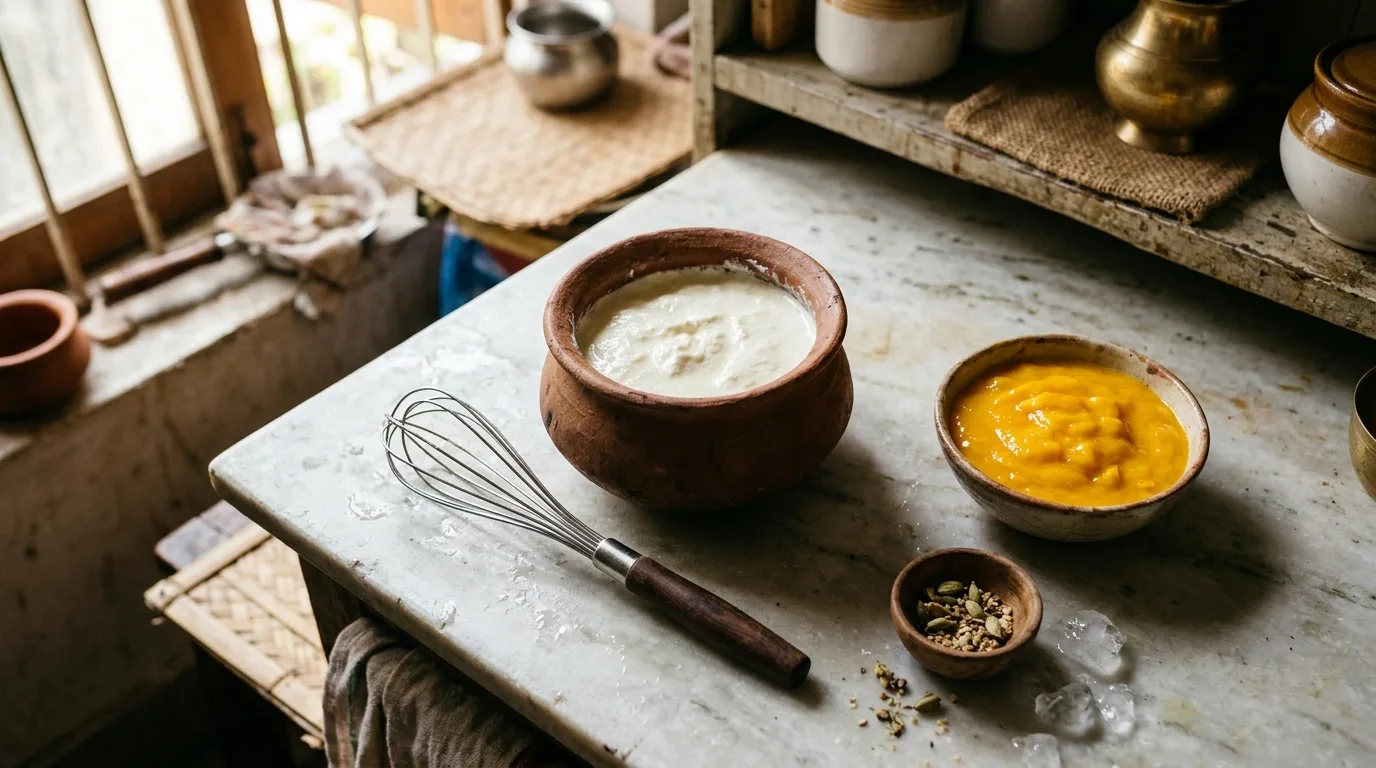
Peel the ripe mango, slice the thick flesh off the flat stone, and drop it into the blender. Pulse the fruit on its own for about 15 seconds until smooth. Then drop in the chilled whole-milk curd, ground cardamom, pinch of salt, and honey.
The most common mistake here is over-blending. Leaving the blender running too long breaks down the curd's delicate protein structure. When that happens, the curd dumps its whey and your creamy drink turns thin and watery. Pulse in brief 5 to 10 second bursts instead. Stop the moment the fruit and curd come together into a smooth, frothy cream. Pour into cold glasses and drink right away.
Velvety Mango Shake: Natural Colour and Rich Body
A cold mango shake is a common breakfast sight across Rajshahi homes. Where a lassi leans on acidity and cultured cream, a shake is all about round, milky sweetness. The best fruit for this is Amrapali mango. Its deep orange pulp is packed with beta-carotene, giving the drink an intense sunny colour without food dye.
Ingredients and Ratios
- 1.5 cups diced ripe Amrapali or Langra mango
- 1 cup full-fat cow milk, boiled and thoroughly chilled below 15°C
- 1 tablespoon raw honey or cane sugar (optional)
- 2 to 3 ice cubes
- Finely slivered pistachios or almonds for garnish
Preparation Steps
To stop the milk from splitting, boil it well ahead of time and chill it in the fridge until it is cold to the touch. Pouring warm milk onto mango pulp is a sure way to ruin the texture. Puree the diced mango in the blender first. Add the cold milk and sweetener, then blend on medium for 20 seconds. If you use Langra, which smells wonderfully floral but keeps a slightly sharper tang, make sure the fruit is completely soft before using[1]. Pour into chilled glasses, scatter the sliced nuts over the top, and finish it within 24 hours. Keep any leftovers in the fridge at or below 4°C.
Traditional Mango Kulfi: Slow Reduction Without Ice Crystals
Factory ice cream relies on whipped air, but real kulfi is dense, rich, and slowly cooked. The backbone of good kulfi is fresh whole milk reduced over gentle heat until it thickens into rabri.
Stay away from loose, stringy varieties like Fazli for kulfi unless you plan to press the pulp through a fine mesh strainer. Dense cultivars like Khirsapat set into a firm, velvety freeze without turning icy or gritty.
Ingredients
- 1 litre full-cream fresh milk (cow or buffalo milk)
- 1 cup smooth, strained mango pulp, chilled below 15°C
- 3 to 4 tablespoons condensed milk or raw sugar
- 1/4 teaspoon cardamom powder
- A few strands of saffron steeped in one tablespoon of warm milk
- 2 tablespoons chopped pistachio and cashew nuts
Method
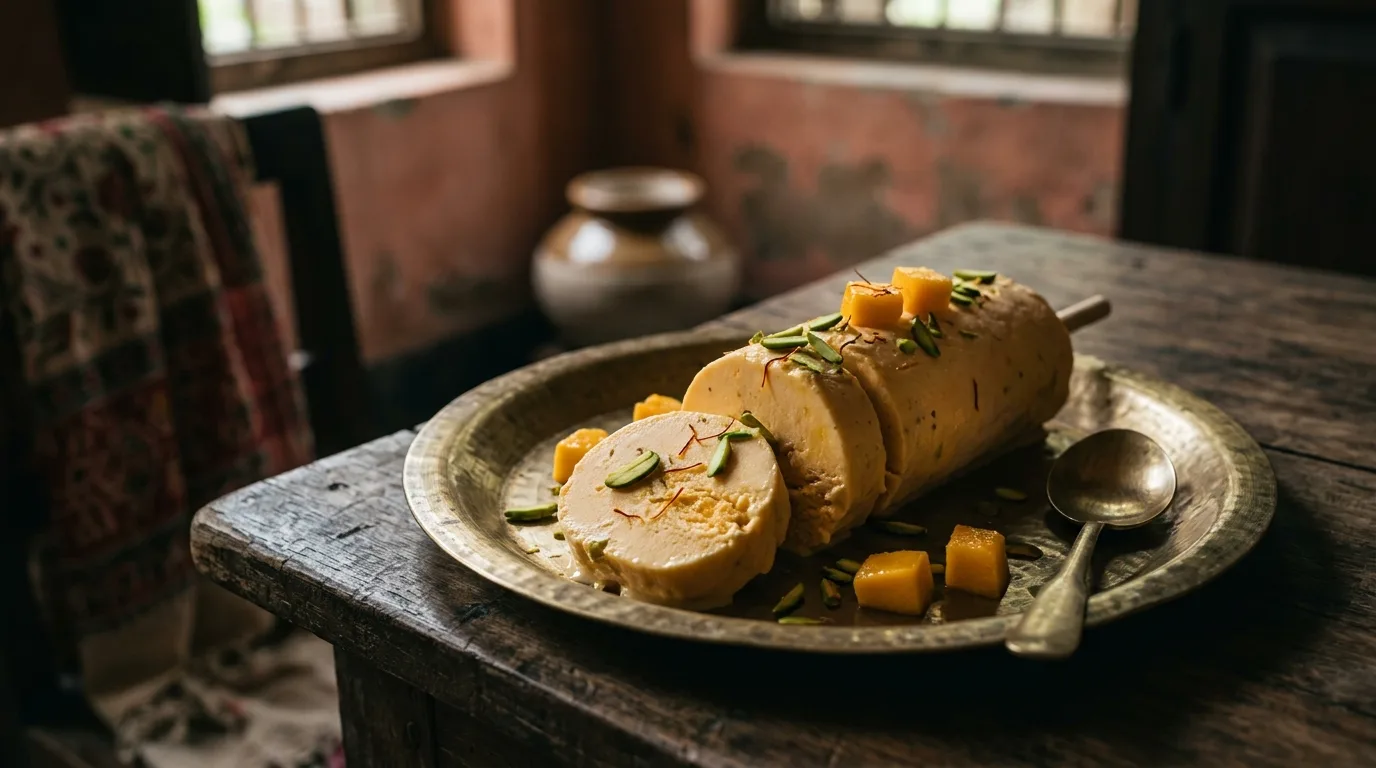
Heat your milk in a heavy pan at a gentle simmer, around 85°C to 90°C. Stir often with a wooden spoon, scraping the thick skin from the sides and folding it back in. Let it simmer until it reduces to roughly half or a third of what you started with, turning into a creamy, pale gold reduction.
Mix in your sweetener, saffron milk, and cardamom. Pull the pan off the burner and let the thickened milk cool down to room temperature, then chill it in the fridge. Never mix mango puree into warm milk—the sudden heat shock will curdle the dairy and leave you with a gritty mess. Once cold, whisk the chilled fruit pulp into the milk base at a 1:2 ratio. Fill traditional aluminium or clay kulfi moulds, cover them tightly against freezer burn, and freeze without disturbing for 8 to 10 hours.
Quick Comparison: Mango Variety, Ratios, and Technique
Choosing the right fruit and dairy ratio ensures your summer beverages remain thick, balanced, and free from curdling.
| Dish | Recommended Variety | Dairy to Mango Ratio | Orchard Kitchen Tip |
|---|---|---|---|
| Mango Lassi | Khirsapat / Himsagar | 1:1 or 1.5:1 (Curd to Pulp) | Pulse blender in 5–10 second bursts to avoid breaking curd protein. |
| Mango Shake | Amrapali | 1:1.5 (Milk to Pulp) | Use chilled milk below 15°C; deep orange Amrapali gives natural colour. |
| Traditional Kulfi | Khirsapat or Strained Fazli | 2:1 (Reduced Milk to Pulp) | Cool reduced rabri completely before folding in fruit to prevent splitting. |
Enjoy Orchard-Fresh Mangoes Delivered to Your Door
Good summer drinks come down to honest fruit. The true flavour of a mango comes through when it ripens on the branch in the sun, not through carbide drums or chemical baths[1].
At Rajshahir Mango, we pick our fruit straight from family orchards in Rajshahi following the district harvest calendar, so every variety reaches proper maturity on the tree[1],[3]. We ship clean, formalin-free mangoes in sturdy 12 kg and 24 kg crates anywhere in Bangladesh. Look through the seasonal crates in our fresh mango collection, pick your favourite variety, and make your own lassi, shakes, and kulfi with fruit picked at its best.