If you are traveling along the northern banks of the Padma, tracking down real Rajshahi famous food is half the reason to come. The food culture in Rajshahi grew out of deep alluvial soil, old grain-milling traditions, and generations of sweetmakers working patiently by hand.
You will not find the heavy, oil-laden gravies common further south. Rajshahi cooking leans on clean grains, the pungent sting of raw mustard oil, and dairy sweets balanced with serious restraint. Here is what to look for on the streets and where to find it.
Kalai Ruti: The Hearth-Baked Staple of the North
Ask anyone in town what defines everyday eating here, and they will point straight to Kalai Ruti. It is a dense, rustic flatbread made from toasted black gram flour (Vigna mungo, or mashkalai) and non-glutinous atap or parboiled rice flour (Oryza sativa)[5].
Makers mix black gram and rice flour in ratios between 1:1 and 2:1, depending on family custom[5]. The mashkalai gives the bread its nutty fragrance and sticky body, while rice flour keeps the dough manageable. The cook works the flours with salt and cool water, kneading hard for eight to ten minutes to build structure without gluten[5].
Water temperature matters. Seasoned bakers never touch warm water, because heat turns legume starch into a sticky, unworkable paste right on the board. Leaving out the rice flour is just as bad; an all-gram dough turns tough and leathery as soon as it cools down[5].
Baking and Traditional Accompaniments
No rolling pin touches this dough. Experienced cooks shape it entirely by hand, patting each ball between their palms until it spreads into a disc 3 to 4 millimetres thick[5]. It goes dry onto an unglazed, rounded clay skillet—the matir khola—set over wood or tamarind fires between 200°C and 250°C[5].
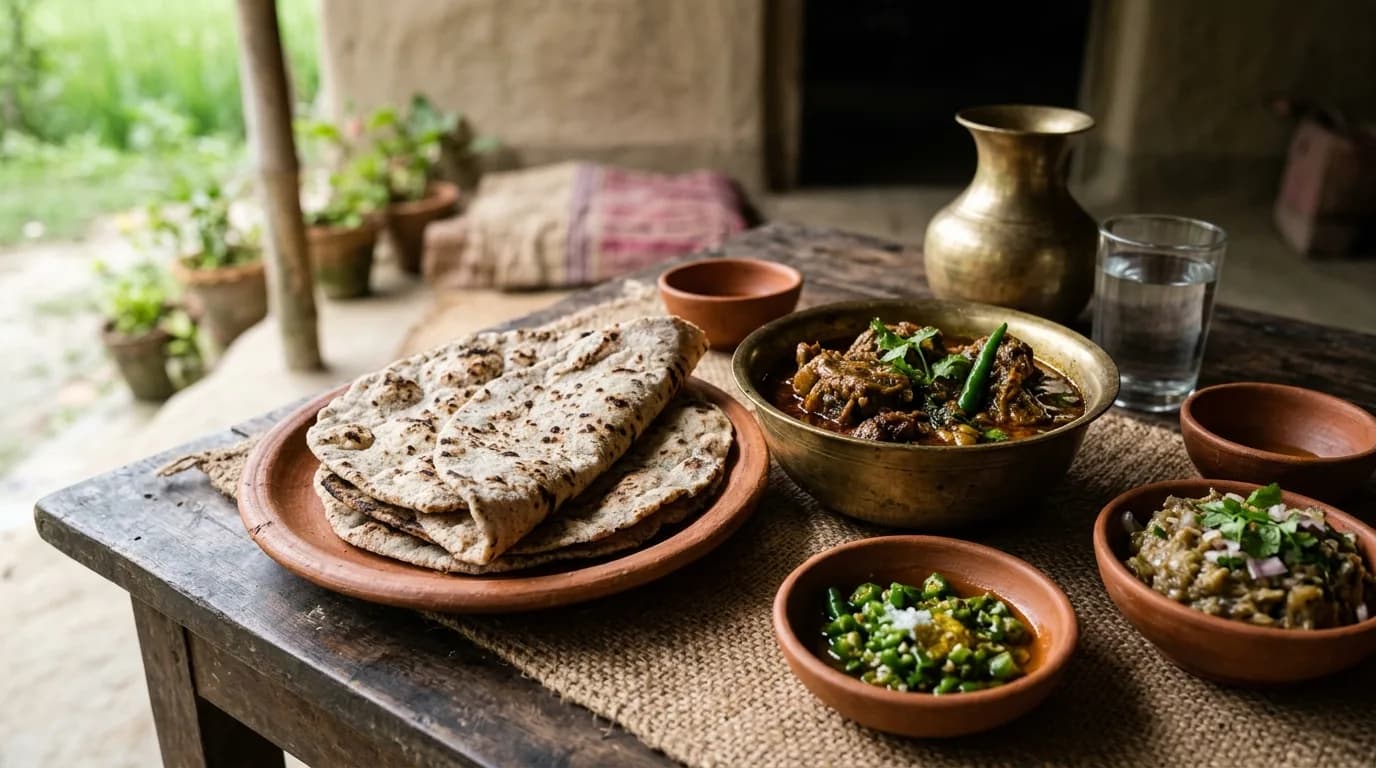
After 60 to 90 seconds on each side, steam puffs the bread up from the inside, leaving small blisters of char across a pale crust[5]. You do not eat Kalai Ruti on its own. It lands on your plate piping hot, alongside three staples:
- Morich Bata: Raw green chilies ground fine with coarse sea salt, shallots, and sharp, cold-pressed mustard oil.
- Begun Pora: Whole eggplant roasted over coals until soft, then peeled and mashed with raw onion and mustard oil.
- Hash Bhuna: Slow-cooked, bone-in duck curry seasoned heavily with garlic, whole cloves, and ground mustard seed paste.
Where to Eat Kalai Ruti in Rajshahi
If you want to sit down indoors with family, Kalai House in Upashahar is clean, reliable, and serves good duck curry with the right side pastes[6]. Another local fixture is Chapai Kalai Ghor near PN Girls' High School, where the skillets stay busy every evening. You will also spot humble roadside stalls around Shaheb Bazar setting up their fires in the late afternoon[6]. Hours shift with the seasons, so plan to arrive near dusk when the clay hearths are up to temperature.
Roshokodombo: The Textural Pride of Rajshahi Sweetmakers
Bengal has no shortage of mishti, but Roshokodombo belongs squarely to Rajshahi and Chapainawabganj. It is built in three distinct layers that you taste all at once.
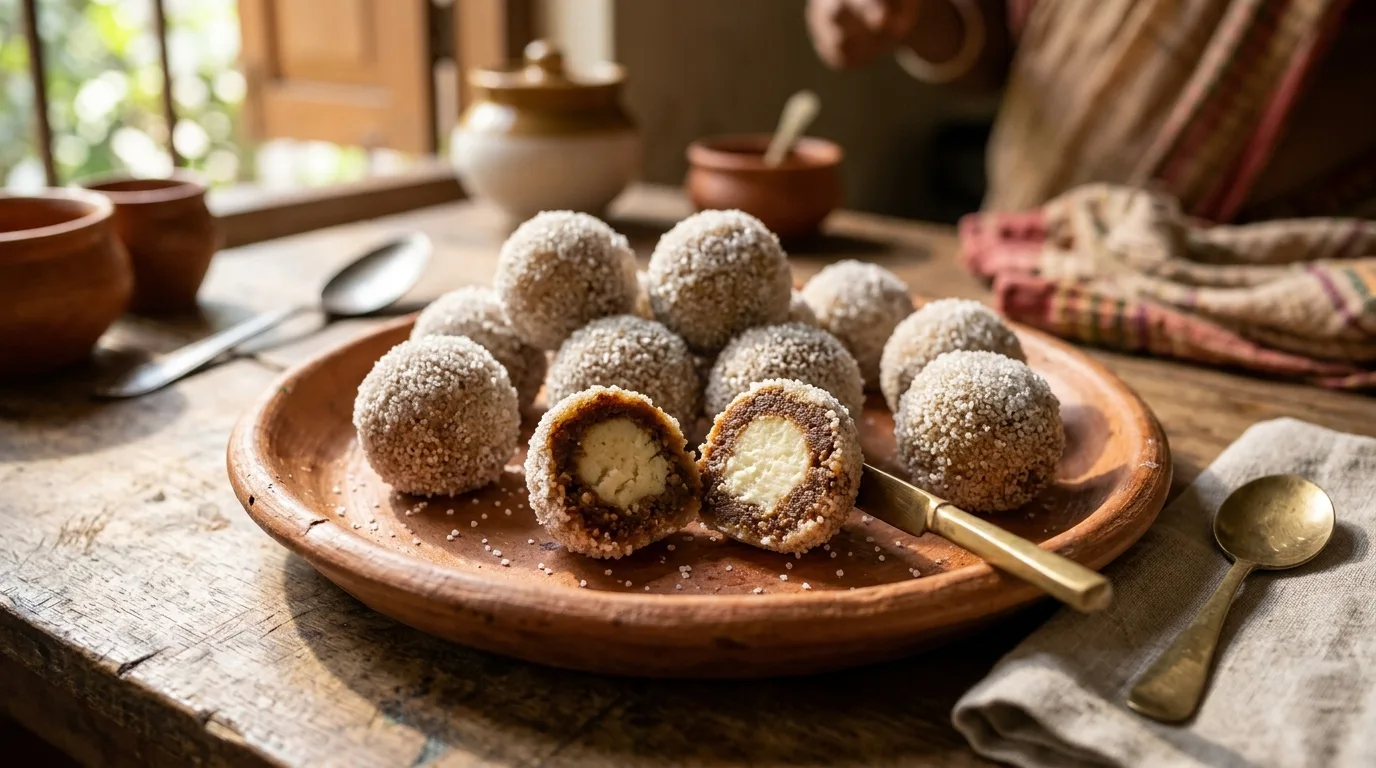
Inside is a firm, miniature rasgulla or chomchom made from cow-milk chhena, simmered down in heavy syrup to 65–70° Brix. That core gets wrapped in a thick blanket of khoya kheer—whole milk simmered down into rich mawa. To finish, the whole ball is rolled in thousands of tiny, dry sugar pearls called kadma.
That contrast makes the sweet: crunchy sugar beads outside, smooth mawa in the middle, and a wet, syrup-rich chhena center. A proper Roshokodombo needs no artificial food colour or rose essence; good caramelized milk carries the whole bite.
Handling and Storage
Because of the moist chhena inside, Roshokodombo will not keep for long. In normal room temperatures between 25°C and 30°C, eat it within 24 to 48 hours. If you are carrying a box out of town, pack it in a breathable container and refrigerate it below 4°C, which keeps it fresh for five to seven days. Skip any sweet displays sitting uncovered under the midday sun; warm milk solids turn sour quickly.
Where to Find Roshokodombo
The sweet alleys around Shaheb Bazar and Ranibazar have shops that have made this for decades, starting fresh batches every morning. These smaller places rarely have websites or set hours, so ask your rickshaw driver or hotel desk which shop in Ranibazar pulled the freshest morning trays.
Rajshahi Famous Food in Mango Season: Harvest and Varieties
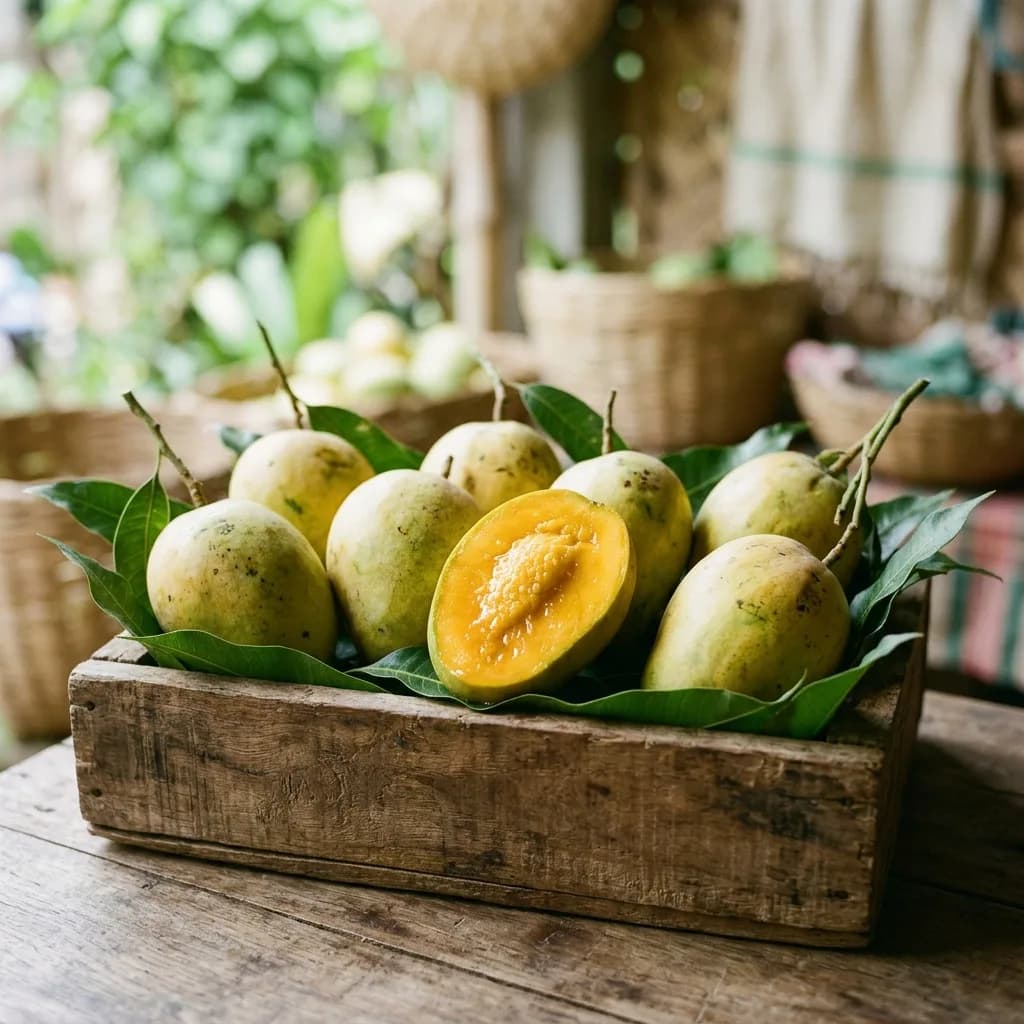
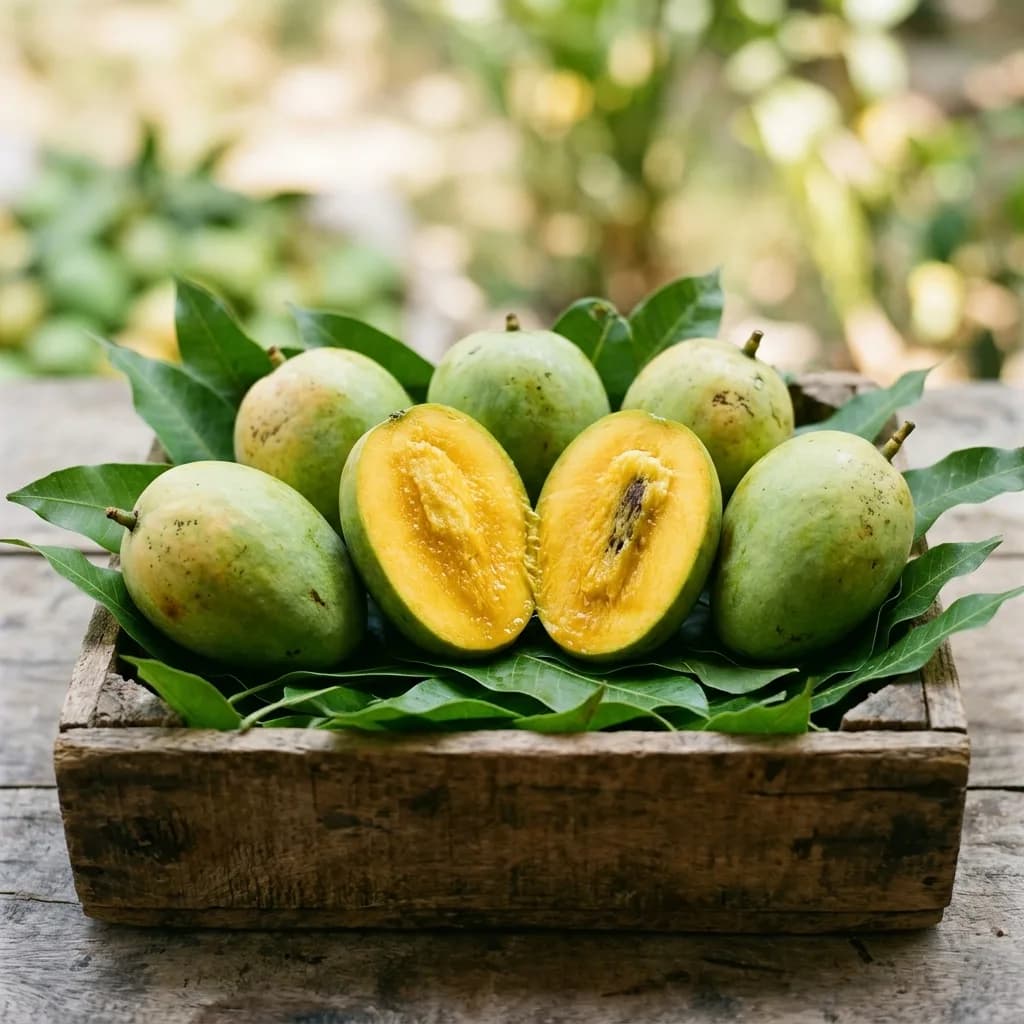
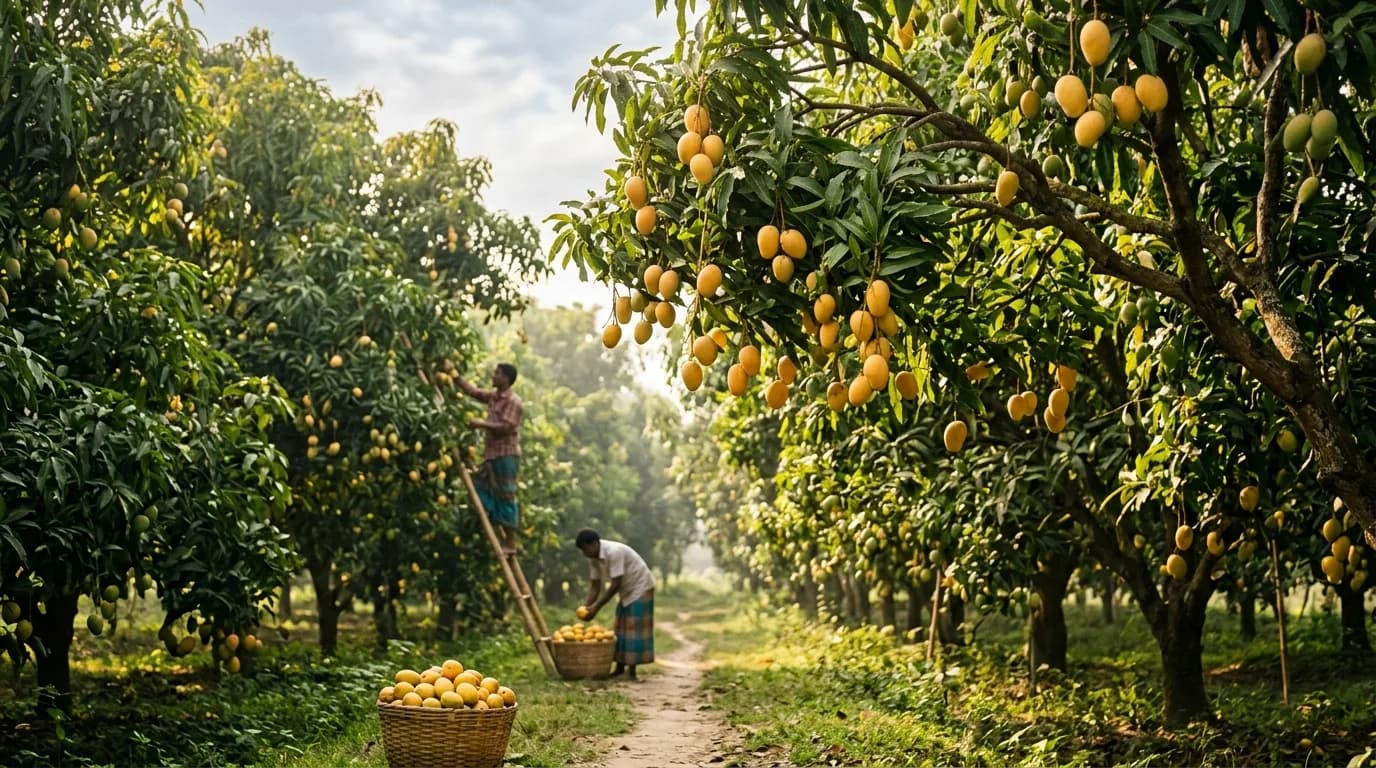
You cannot talk about Rajshahi famous food without the summer mango harvest. Hot, dry weather, well-draining sandy loam, and timely rains make our district ideal for table mangoes. Still, getting great fruit comes down to picking each variety only when it reaches true physiological maturity, following the regional harvest calendar[3].
Pick too early, and the fruit stays sharp and acidic, never hitting that deep 16% Brix sweetness. The Department of Agricultural Extension (DAE) sets strict seasonal harvest dates to keep unripe fruit off the market[3]:
| Mango Variety | Official Earliest Harvest Date | Taste & Texture Profile |
|---|---|---|
| Guti (Local Seedlings) | May 15 | Mildly tart, juicy, fibrous; great for green preparations[3] |
| Gopalbhog | May 22 | Sweet, aromatic, golden flesh, medium fibre[3] |
| Lakshmanbhog | May 25 | Bright reddish-orange skin, balanced sweetness[3] |
| Khirsapat (Himsagar) | May 30 | Ultra-smooth pulp, zero fibre, intensely rich[3] |
| Langra | June 10 | Distinct green-skin ripeness, complex floral tang[3] |
| Fazli & Amrapali | June 15 | Fazli is large and firm; Amrapali is deeply red-orange and high in Brix[3] |
| Ashwina & Gourmati | July 10 – July 15 | Late season champions; firm pulp and late-summer sweetness[3] |
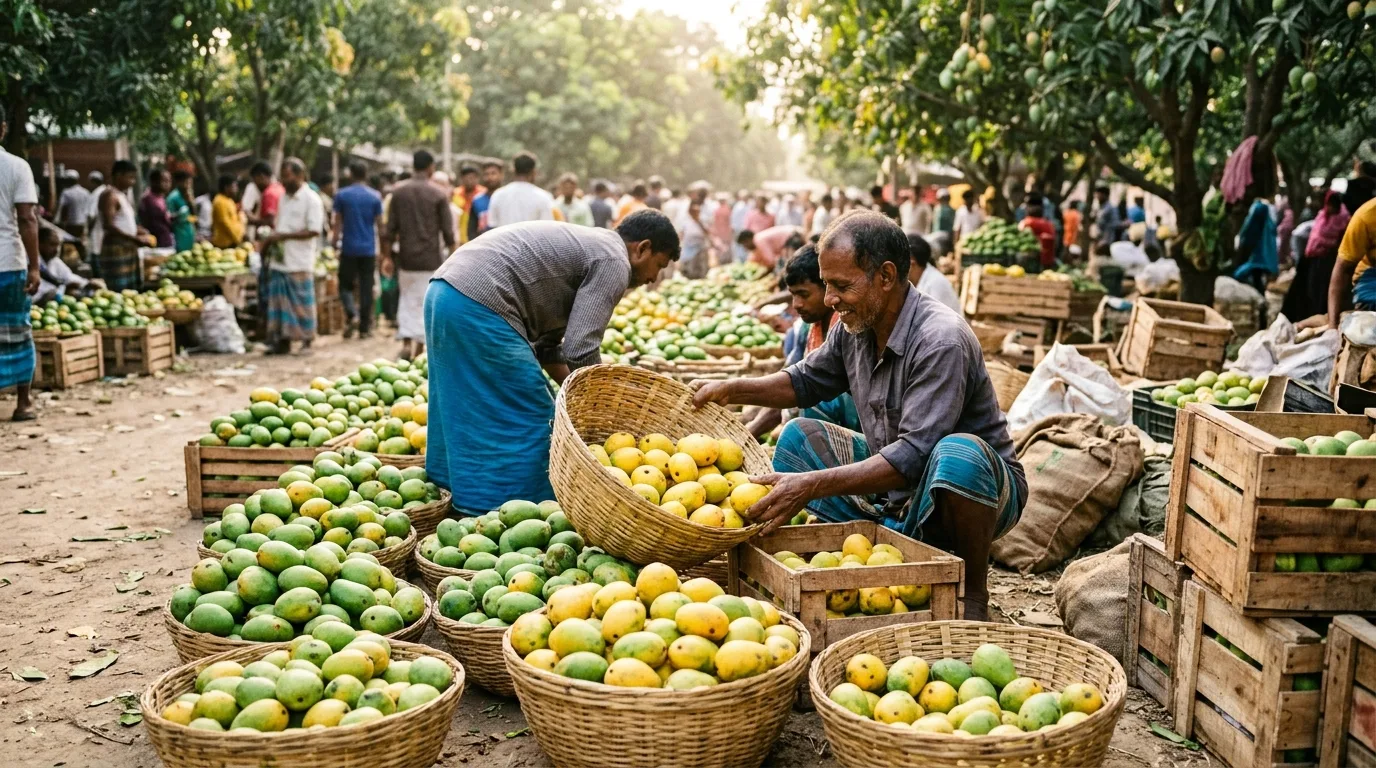
To see the harvest in full swing, head out to Baneswar Haat in Puthia, about 30 kilometres east of Rajshahi along the highway. It is one of the largest mango markets in the country. At sunrise, thousands of farmers roll in on paddle vans piled high with freshly picked crates. If you are staying downtown, the fruit sheds at Shaheb Bazar carry good retail selections sorted by variety.
Under the Bangladesh Food Safety Act, 2013, artificial ripening with calcium carbide ($CaC_2$) is strictly illegal. Carbide leaves toxic residues of arsenic, phosphorus, and acetylene gas. Reliable growers let the fruit mature naturally on the branch or use a simple hot water bath (52–55°C for 5–10 minutes), which clears out anthracnose fungus (*Colletotrichum gloeosporioides*) without any chemicals.
Practical Dining Advice for Travellers
When travelling across Rajshahi to sample its heritage cuisine, keep these practical pointers in mind:
- Time your meals: Street stalls serving Kalai Ruti fire their clay hearths predominantly in the late afternoon and evening. Trying to order fresh ruti before midday will usually leave you empty-handed[6].
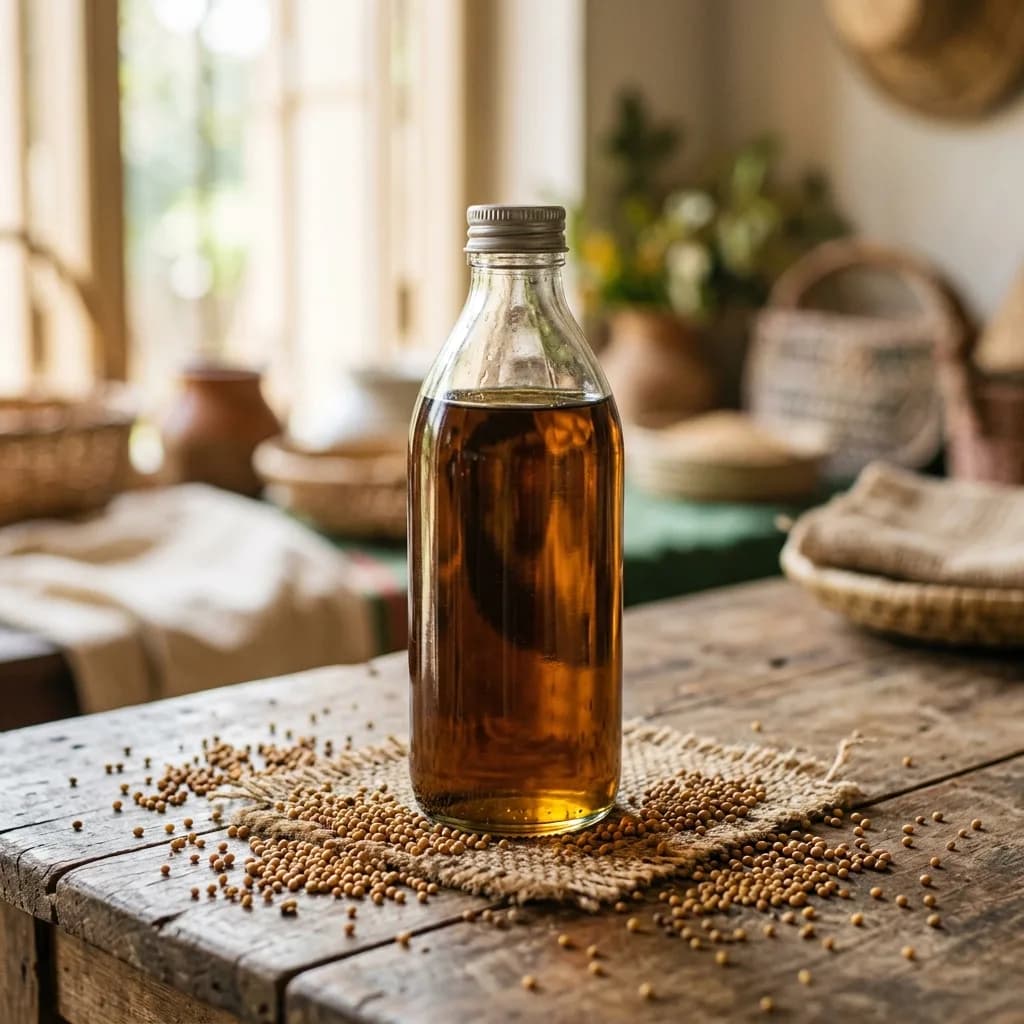
- Inspect mustard oil: Authentic accompaniments demand cold-pressed mustard oil with a pronounced nasal punch. If an eatery uses bland refined soybean oil for their begun pora, the authentic northern character is lost. You can also source culinary-grade Mustard Oil to recreate these pungent mash recipes at home.
- Verify market days: Baneswar Haat operates at its most intense scale on regular weekly haat days during peak summer. Check locally before taking an inter-district bus to Puthia so you arrive while trading is active.
- Ask about freshness: When purchasing Roshokodombo or chhena-based treats, ask when the batch was rolled. Reputable shops in Ranibazar take pride in selling confections finished only a few hours prior.
Bringing the Taste of Rajshahi to Your Table
Exploring the historic streets of Rajshahi leaves an indelible impression, especially when the scent of wood-fired clay skillets and ripe orchards fills the warm river air. If you cannot make the journey to the north this season, you can still experience legitimate regional produce from our home base.
At Rajshahir Mango, we tend our own established orchards in Rajshahi, cultivating tree-ripened cultivars since 2013 without chemical accelerants or formalin. From tender early-season Himsagar Mango to fragrant late-June Langra Mango, we pick at physiological maturity and ship securely across the country. Browse our farm collections across our mango crate offerings, or learn more about our sustainable orchard care on our about page.