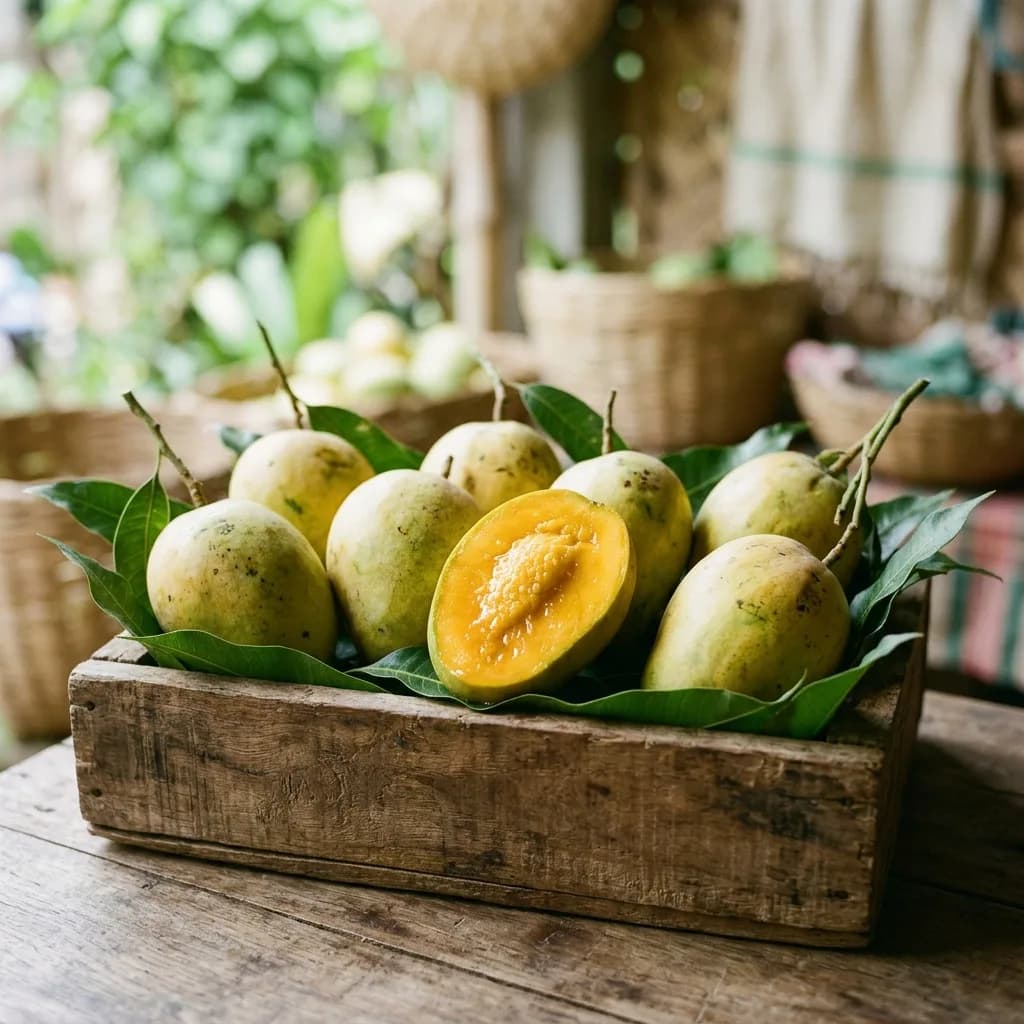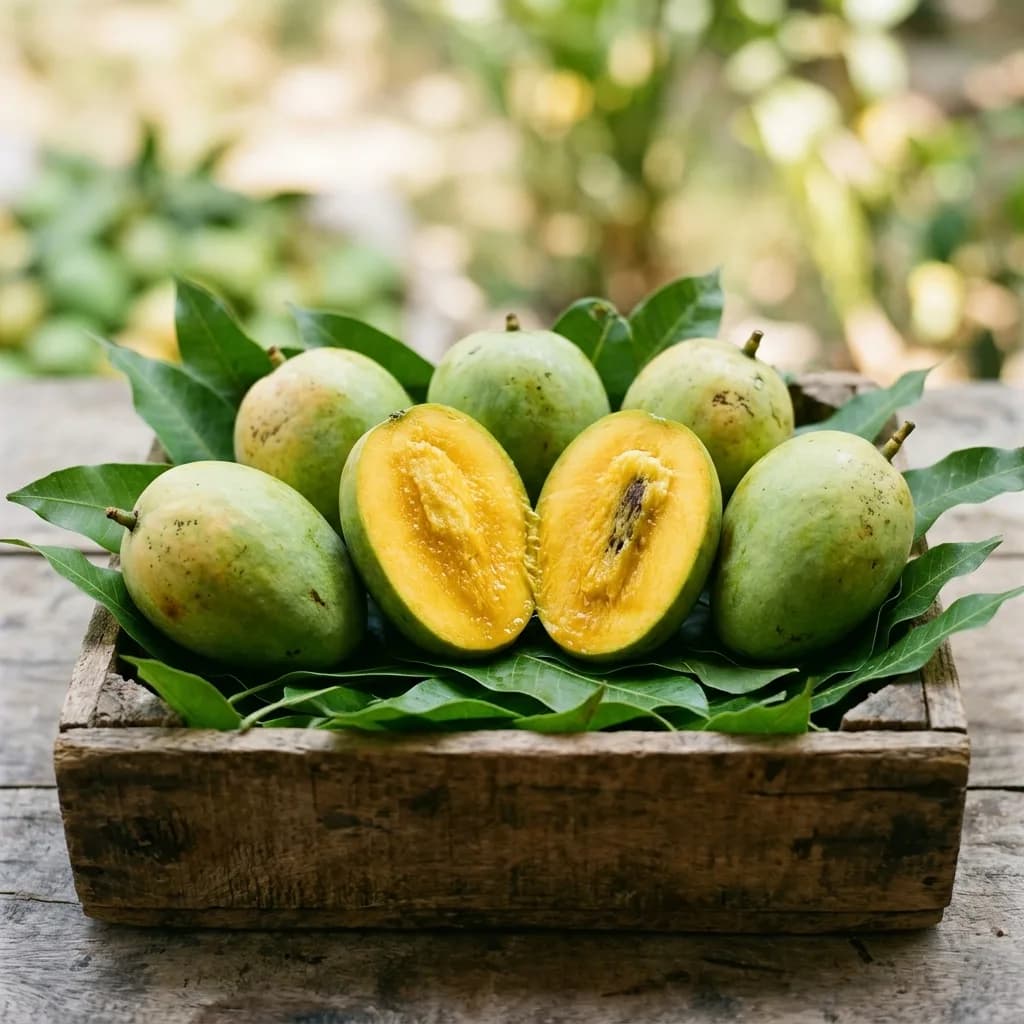
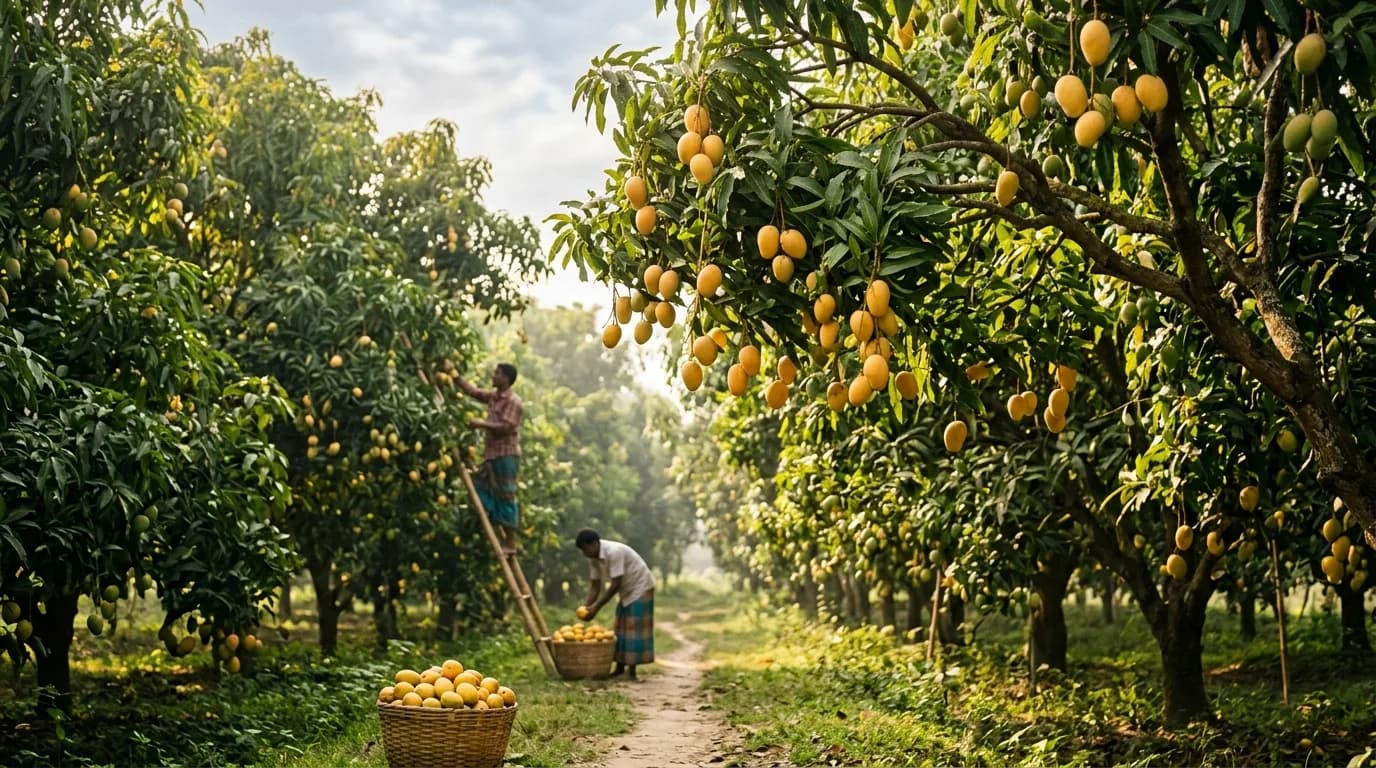
Every summer, people across Bangladesh and beyond wait for one thing: authentic Rajshahi mango. Grown along the banks of the Padma and across the Barind Tract, these mangoes earned their reputation through rich texture, fragrant pulp, and deep natural sweetness. For generations, visitors have made the trip to northwestern Bangladesh just to walk through shaded orchards and eat fruit fresh off the branch.
That reputation isn't built on modern hype. It comes down to a unique geographic setting, harsh summer weather, and careful harvesting habits passed down over decades. To understand why fruit from Rajshahi tastes different, you have to look at the soil beneath the root systems, the intense heat overhead, and the post-harvest science that protects each crop.
The Soil of the Barind Tract: Nature's Foundation for Mango Groves
It all starts under the ground. Rajshahi sits on the Barind Tract, an elevated Pleistocene terrace standing 11 to 48 metres above sea level[1]. Central and southern Bangladesh deal with low-lying floodplains, but this highland ground stays dry and stable—giving deep-rooted trees solid footing[1].
Mango roots hate standing water. Waterlogging cuts off oxygen and invites fungal root rot in a hurry. The Barind soil is a deep red-yellow clay loam mixed with alluvial silt[1]. That mix holds just enough moisture through long dry stretches, yet drains excess rainwater quickly when heavy storms hit. Down below, soil pH stays between 5.5 and 7.5, so roots easily pull up potassium, magnesium, and calcium[1]. Those minerals give the fruit flesh its firm structure and support natural sugar production as the mango matures.
The Barind Climate: Why the Rajshahi Mango Develops Exceptional Sweetness
Good soil is only half the story. The climate here does the rest. Rajshahi has a semi-arid tropical climate with blazing, dry summers and mild winters. From January to March, when the trees flower and set fruit, rain rarely falls. A dry spell like that hurts regular field crops, but it works wonders for mango trees.
Dry air keeps fungal spores down—especially anthracnose, which spreads in humid air and ruins blossoms before pollination can finish. Come April and May, daytime heat regularly climbs to between 35°C and 42°C. That relentless sun and heat drive active photosynthesis across the tree canopy[2],[4]. Without excess ground moisture to dilute the fruit sap, sugars concentrate naturally. It pushes up the Total Soluble Solids (TSS), producing sweeter pulp and stronger aroma than fruit grown in wet or cooler coastal areas.
The Official Harvest Calendar: Cultivars and Ripening Cycles
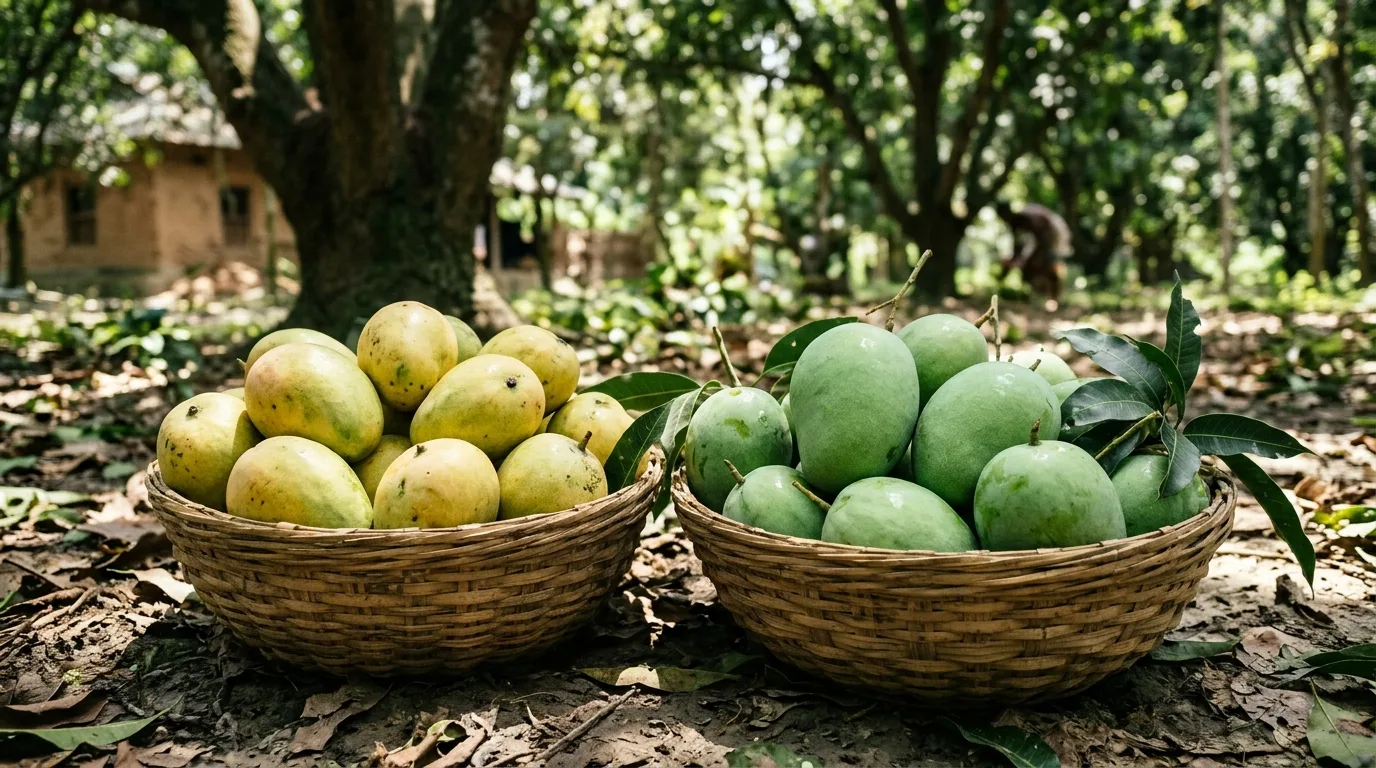
Timing makes or breaks a harvest. Pick a mango too early, and its starches never turn into sugar; you end up with sour, rubbery flesh that won't ripen properly on the shelf. To protect fruit quality, the Rajshahi District Administration and the Department of Agricultural Extension (DAE) set a fixed picking calendar each year[3]. Growers follow this schedule so each variety matures fully right on the branch.
| Variety | Official Picking Date | Average Fruit Weight | Sugar Content (° Brix) | Distinctive Qualities |
|---|---|---|---|---|
| Gopalbhog | May 22 | 200–250 g | 18–20° Brix | Early harvest, thin peel, bright golden pulp, delicate fibre[3]. |
| Khirsapat (Himsagar) | May 30 | 250–350 g | 20–22° Brix | Geographical Indication (GI) certified, completely fibre-free, creamy texture[3]. |
| Langra | June 10 | 250–320 g | 19–21° Brix | Retains greenish-yellow hue when ripe, soft pulp, intensely aromatic[3]. |
| Fazli | June 15 | 500–1,000 g | 17–19° Brix | Very large late-season fruit, firm flesh, ideal for table slicing and processing[3]. |
| Ashwina | July 10 | 300–500 g | Variable / Tart | Firm and acidic, the quintessential green cultivar for traditional pickles and amsotto[3]. |
Among these, Khirsapat—widely known as Himsagar Mango—remains the benchmark for dessert varieties due to its melting, fiberless consistency. Soon after, the celebrated Langra Mango dominates markets with its unmistakable floral scent and succulent pulp. Following these comes the late-season Fazli, celebrated for its massive size and smooth texture.
Postharvest Care, Safe Ripening, and Food Science Facts
Getting a mango off the tree is only the first step. Harvesting takes patience and a steady hand. Snapping the fruit off carelessly causes pressurized latex sap to spray from the stem. That sap carries acidic terpenes that burn the skin within hours, leaving dark, permanent blemishes. We harvest each fruit with an 8 to 10-millimetre stem intact, or invert it on specialized drainage racks right away so the sap drips clear of the peel.
Storage and Safe Ripening Standards
To ripen fruit naturally at home, keep it at room temperature between 20°C and 25°C with roughly 85% to 90% humidity. It softens up nicely in four to seven days. For longer storage or transport, commercial cold rooms set at 12°C to 13°C keep fruit fresh for up to three weeks[6]. Never store green mangoes below 10°C. Low temperatures damage the cells, leaving pitted skin, grayish flesh, and starches that refuse to sweeten[6].
For clean pest and rot prevention without synthetic sprays, research stations recommend Hot Water Treatment (HWT). Dipping harvested fruit into clean water held at 52°C to 55°C for 5 to 10 minutes wipes out fruit fly eggs and surface fungal spores without touching the taste or nutritional value inside[5].
Busting the Chemical and Formalin Myths
Shoppers often worry about toxic chemicals, and fair enough. Under Bangladeshi law, calcium carbide is strictly banned because industrial grades carry impurities like arsenic and phosphorus hydrides. Modern packing sheds instead use small, controlled doses of ethylene gas (around 100 ppm) or safe dips, which simply prompt the fruit's own natural enzymes to begin ripening.
Then there is the persistent talk about formalin. In reality, all ripening fruit naturally creates trace amounts of formaldehyde during cellular breakdown. But soaking fresh fruit in commercial formalin to preserve it makes no sense: formalin is a tissue fixative that degrades skin, damages cells, and does not stop the fungal molds that cause fruit rot. True postharvest quality comes down to clean orchard handling and proper temperature management.
Experiencing Rajshahi's Mango Heritage Firsthand
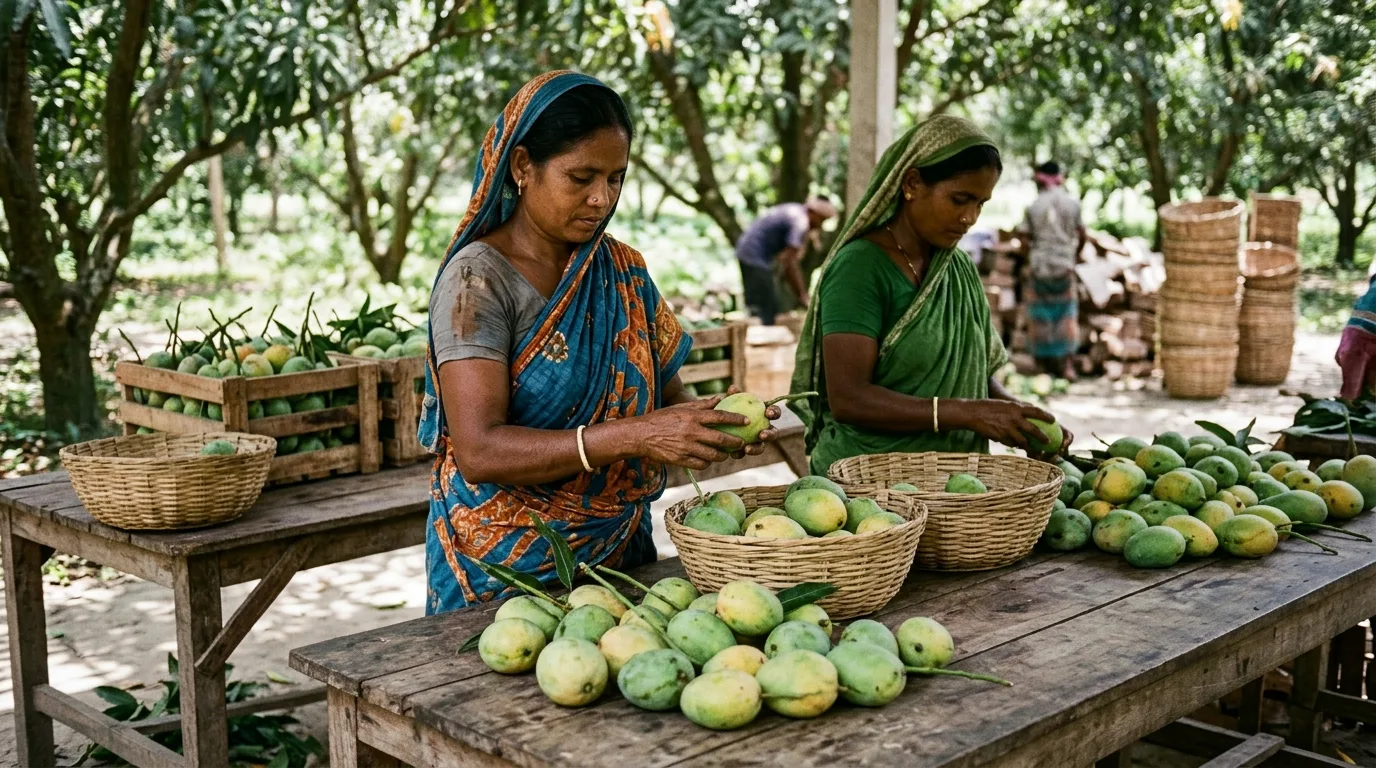
Visiting Rajshahi between late May and mid-July is quite an experience. Markets like Baneshwar Bazar wake up early, jammed with pedal vans, wooden boats, and trucks loaded with bamboo baskets of fresh fruit. If you plan to visit, check train schedules and local orchard permissions ahead of time, as seasonal rains can shift market routines by a few days.
At Rajshahir Mango, we bring that orchard experience straight to your door. We've been growing fruit in our own Rajshahi orchards since 2013, picking tree-ripened, chemical-free produce strictly following official district schedules. Every order is packed by hand into sturdy 12 kg or 24 kg crates and delivered across Bangladesh through dependable couriers. We offer easy payment options, including cash on delivery, bKash, Nagad, and cards. Take a look at what is in season in our fresh mango collection, or learn more about our farming on our about page.